





Why your mini split leaks water in a West Virginia winter

A white wall-mounted mini-split air conditioner indoor unit shown straight-on against a plain light gray background.
Hand off my repair

Water dripping from your indoor unit in winter usually means the condensate drain line is frozen or clogged, or the coil is icing up. When a mini split runs in heat mode through a West Virginia winter, the outdoor coil can frost over in freezing, damp weather. The unit runs a defrost cycle to melt that frost, and the water it produces has to travel down the condensate line to drain outside. If that line already has a clog, or if part of it sits somewhere cold enough to freeze, the water backs up and finds its way out through the indoor unit instead. A dirty air filter or a coil with ice built up on it can cause the same thing, since blocked airflow lets condensation collect where it shouldn't. None of this is normal operation. Left alone, it can mean water damage to your wall or floor, and a mini split that keeps icing up is working harder than it should.

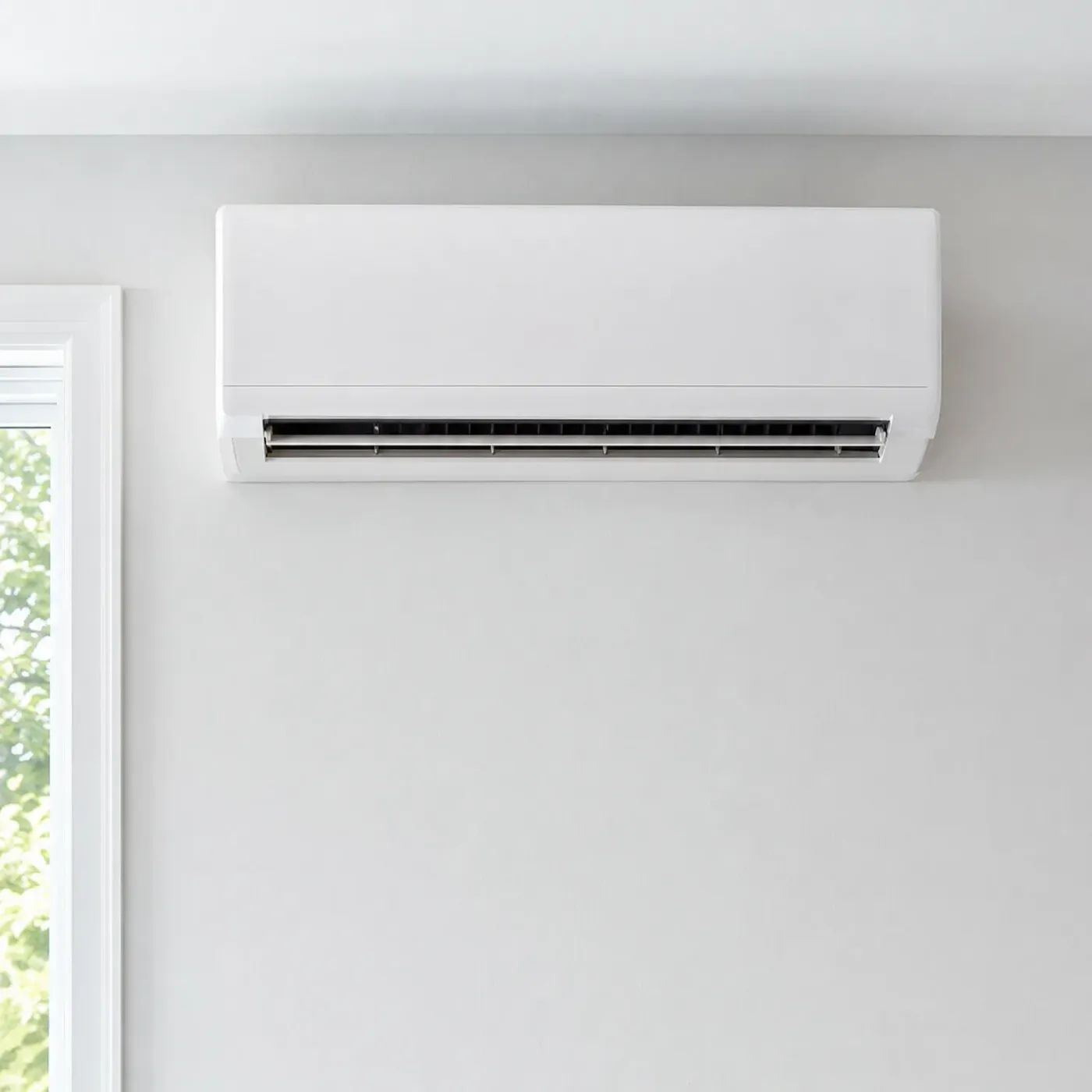
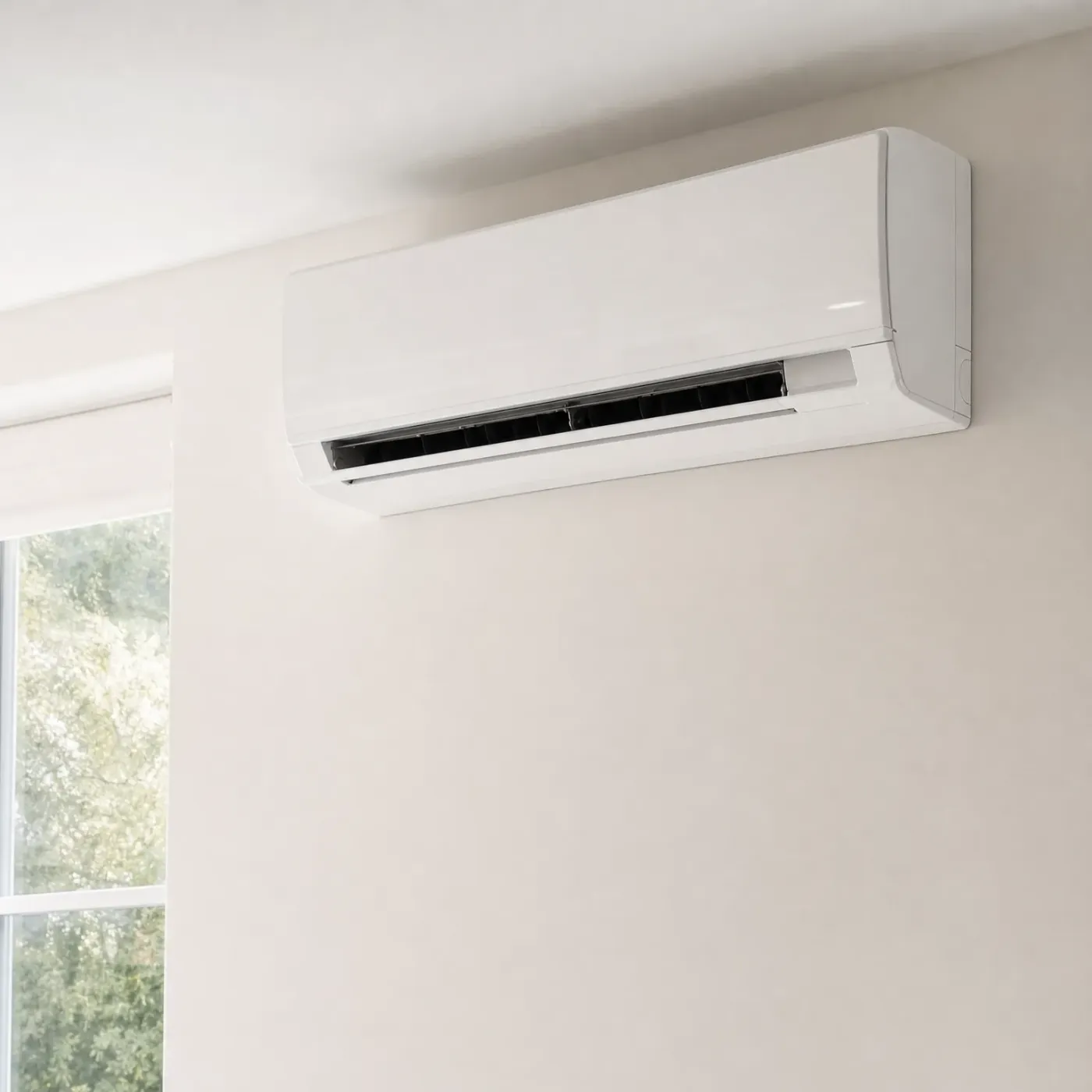
A white wall-mounted mini-split air conditioner unit installed high on a light gray interior wall near the ceiling, with a white-framed window and green foliage visible at the left edge.
Here the coil stays clean and the line drains free, so condensation leaves the unit instead of collecting in it.
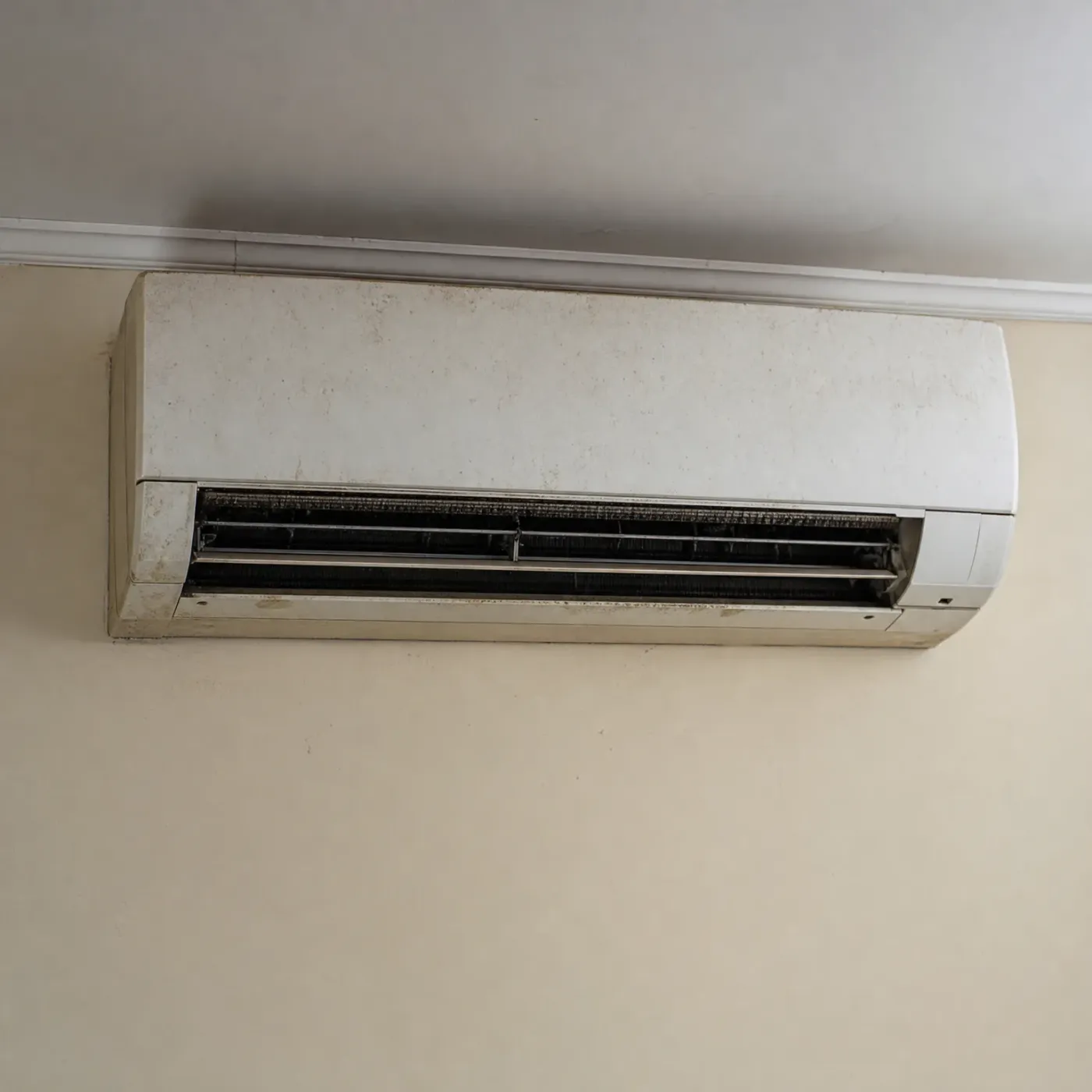
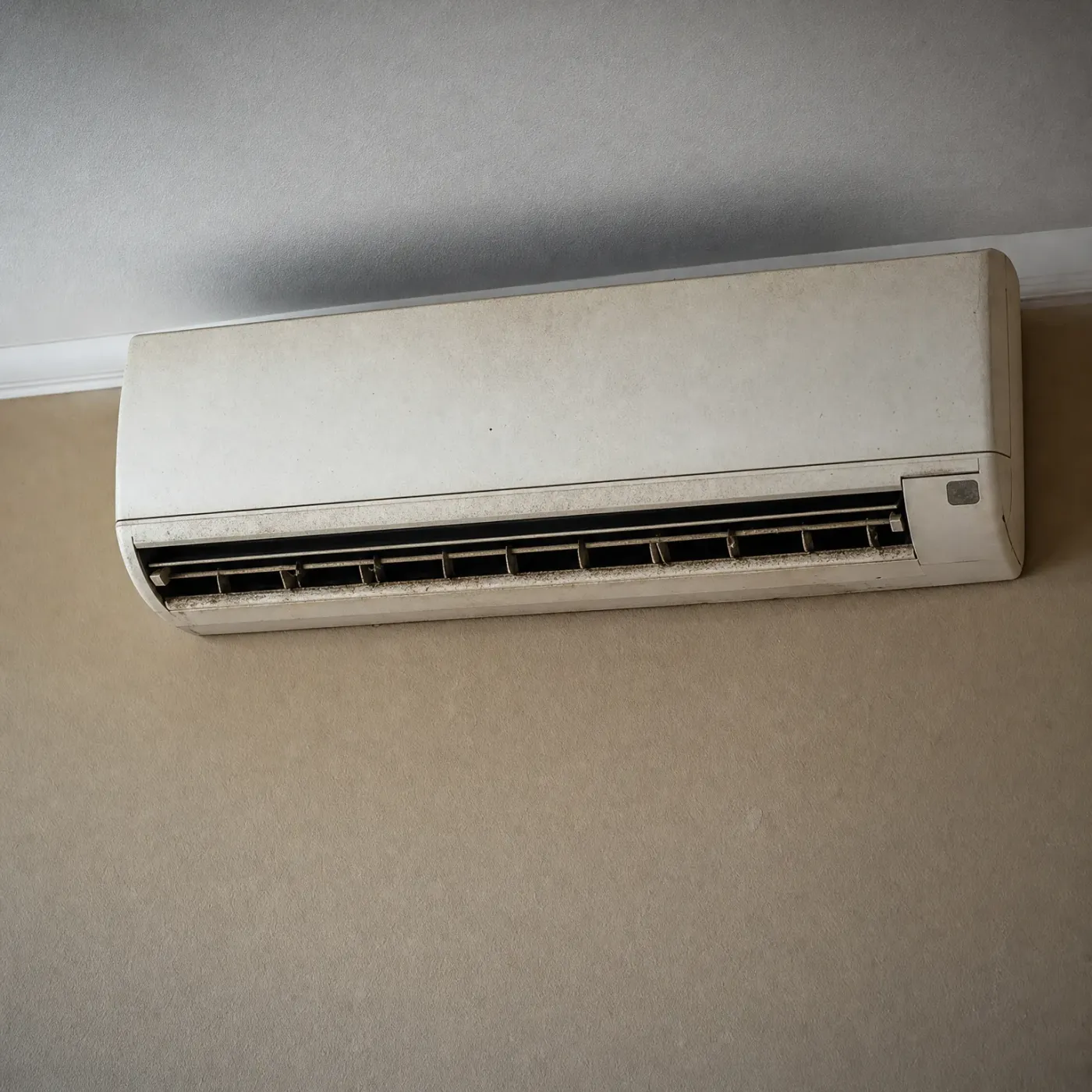
A dusty white wall-mounted mini-split air conditioner installed high on a beige interior wall below a molded ceiling trim.
Grime on the coil and filter traps moisture against it, and that water has nowhere to go but down the wall.

Heat mode asks a mini split to pull warmth from the cold air outside, and frost builds on that outdoor coil as it works through a West Virginia winter. The system clears that frost on its own, running a short defrost cycle that switches briefly into cooling to melt it off. That melted frost is water, and it has to drain out through the same condensate line that handles summer humidity. If the line already carries buildup from algae or dust, the extra water from defrost backs up faster than it would otherwise. It pools in the drain pan, and once the pan overflows, the water runs out through the indoor unit instead of outside. Outdoors, freezing temperatures can seal that water inside the drain line before it ever reaches open air. A dirty filter adds to the problem from the other direction, slowing airflow across the indoor coil until the coil runs cold enough to frost instead of just collecting condensation. Each of these points to the same drain line and the same coil, just reached a different way.

What's actually happening inside

  • A mini split in heat mode runs a defrost cycle, briefly switching to cooling to melt frost off the outdoor coil.
  • During defrost, that melted frost becomes water, and it has to leave through the same condensate line as summer condensation.
  • If the drain line already has a partial clog from algae or dust, defrost water backs up faster than normal condensation would.
  • A clogged line lets water pool in the drain pan, and once it overflows, it runs out through the indoor unit.
  • Freezing temperatures outside can freeze water sitting in an outdoor drain line, blocking the exit before it ever gets outside.
  • A dirty filter slows airflow across the indoor coil, and a coil that runs too cold collects frost instead of just condensation.
A smiling man in a navy long-sleeve shirt sits at a wooden table in a kitchen and dining area, with a ceramic mug, a potted plant, and a sliding glass door behind him.
A smiling bearded man in a green henley shirt stands at a kitchen island with a gray mug, looking off to the side, with a dining area and shelves blurred behind him.
A smiling bearded man in a navy sweater sits at a white kitchen island with a ceramic mug, with open shelves, potted plants and a range hood behind him.
A smiling man in a dark olive long-sleeve shirt sits in a kitchen beside a counter with a dark mug, with a dining table, sideboard and hallway visible in the blurred background.

The indoor coil sits above the drain pan at an angle. If the unit is even slightly off level, or the pan has cracked with age, water misses the drain and runs down the wall instead.

A mini split that's been fine for years can start leaking the first hard freeze of the season, once ice finally blocks a line that was already draining slow.

A dusty white wall-mounted mini-split air conditioner indoor unit installed high on a beige interior wall below a white ceiling and trim.
Before you get your mini split repair
A white wall-mounted mini-split air conditioner installed near the ceiling on a light-colored interior wall, with a window and green foliage visible at the left edge.
After you get your mini split repair

What That Drip Costs You

  • A leak left alone can soak drywall and leave a stain that grows every time the unit runs.
  • Water pooling near the indoor unit tells you the drain line is backed up, not just dripping condensation.
  • A frosted outdoor coil during a West Virginia cold snap often means the defrost cycle isn't clearing the ice fast enough.
  • Mold can start in a wet wall cavity within a couple of days, long before you'd see it on the surface.
  • A unit that's been level and dry for years can start leaking the first week temperatures drop into the teens.
  • Ignoring the drip usually means a bigger repair later, since standing water corrodes the drain pan and pump over time.

A mini split that drips in winter is telling you something before it tells you everything. Left a week, the water finds the drywall behind or below the indoor unit, and once drywall is wet, it stays wet longer than you'd think, even with the heat running. You might not see a stain the first few days. By the time you do, the wall cavity behind it has likely been damp since the cold snap started. That's how mold gets a head start most homeowners never catch in time.

The outdoor unit matters too. When temperatures drop into the teens, the defrost cycle has more ice to clear, and if it's struggling, you'll see frost building faster than the unit can melt it off. That's a different problem from a clogged line, but it ends the same way: water where it shouldn't be, and a system working harder than it should.

None of this is reason to panic. It is reason to not wait. A drain pan that sits in standing water corrodes. A condensate pump that runs constantly burns out sooner than it should. What's a quick fix in week one of a leak turns into a pan replacement or a pump swap by week four, and the wall repair is on top of that. The unit that's been fine for years doesn't need a reason to start leaking now. Cold enough, for long enough, is reason enough.

A man in a blue T-shirt sits on a light gray sofa, laughing while looking at an open laptop in the foreground, with a framed picture, lamp and potted plant behind him.
A bearded man in a blue and brown plaid flannel shirt stands indoors looking out a window at snow-covered trees, with a ceramic mug on the windowsill.

Hand off the mini split problem

A leaking mini split in the middle of a West Virginia winter is not something to sit with while you sort out who to call. You could spend an evening searching for HVAC contractors near you, calling a few, explaining the dripping and the frost on the outdoor coil to each one, then waiting to see who calls back and comparing what they quote. That is time you lose while water keeps finding its way down your wall. Sending this request means you stop being the one chasing that down. One contractor gets your information, not five, and the job of finding someone who can look at the drain line and the coil is off your plate. What's left is the actual repair, on a system you rely on for heat through the rest of the season. Handing off the search now is the part that gets easier.

Leak during a mild stretch

If temperatures outside are above freezing when the leak starts, the drain line is more likely the problem than coil frost. A clog from algae or dirt will back up water regardless of outside temperature, and it'll keep dripping steadily rather than coming and going with the weather. This kind of leak can usually wait for a scheduled repair rather than an emergency call, since there's no frost cycle making it worse by the hour. Check under the indoor unit for a steady drip versus water that only shows up after the system runs through a defrost.
Leak during a hard freeze

If the leak shows up or gets worse during a stretch of single-digit nights, coil icing is more likely driving it, and that can mean the unit is struggling to keep up with the cold. A heavily frosted coil forces longer and more frequent defrost cycles, each one producing more water than the drain line may be able to handle fast enough. This kind of leak tends to get worse as the cold snap continues, not better, and it's worth having looked at before the next freeze rather than after the drywall underneath has already taken damage.

Power costs 15.39 cents per kilowatt-hour statewide

At 15.39 cents per kilowatt-hour, running your mini split's heat mode through a West Virginia winter already costs real money. A frozen coil or clogged drain makes the unit work harder to put out the same heat, so a leak you ignore shows up again on your electric bill.

EIA-861 2025 statewide residential average

A white wall-mounted mini-split air conditioner near the ceiling of a room with plain beige walls and a pale curtain at the left edge.

Letting a small drip go

You notice a few drops under the indoor unit and wipe them up, figuring it's nothing. The unit keeps running fine, the house stays warm, so there's no reason to think twice about it. A week later the drops are a small puddle, and the wall behind the unit has a soft, damp patch you didn't see at first. By the time it's obvious, the drywall has already taken on water it won't give back.

A white wall-mounted mini-split air conditioner indoor unit installed near the ceiling on a plain off-white interior wall.

Having it looked at early

You notice the same few drops and get someone out to check the line and the coil before the weather turns colder. If it's a clog, clearing it takes care of the leak before it reaches the wall. If the coil's icing up, catching it now means the unit isn't fighting through a hard freeze with a frosted coil and a backed-up line at the same time. Either way, the problem gets handled while it's still just a few drops.

What are you noticing in your house right now

A damp patch on the wall under the indoor unit, maybe with a stain spreading outward a little more each day the system runs. Drips landing on the floor or windowsill, or a puddle collecting on top of the unit itself before it ever reaches the floor. If you check the outdoor unit, you might find ice built up on the coil or frost crusted along the lines. Sometimes there's a musty smell starting in the wall or ceiling near the indoor unit before you see any water at all. Left alone through a West Virginia winter, that moisture works into the drywall and framing behind it, and what starts as a stain can turn into something that needs more than a wipe-down to fix.

A single-story house with gray vinyl siding, dark shingled gable roofs, and white-trimmed windows, set behind a partly dry green lawn under a clear blue sky.

That summer dew point here averages 61°F, according to NOAA climate data. That's heavy air, the kind that leaves a film on the windows and makes the coil work to pull moisture out along with heat. All that condensation has to drain somewhere. When the line carrying it away picks up algae or dirt over a humid summer, it narrows, and by winter it's slow enough to back up the first time the unit runs a defrost cycle. A summer of sticky air sets up a drain line that's already partway clogged before the cold even gets there.

NASA POWER T2MDEW county cells weighted by homes

A closed silver laptop and a ceramic mug of dark coffee sit on a wooden table in front of two chair backs, with a kitchen counter, tiled backsplash, wooden cutting boards, a vase of greenery and a potted plant by a window behind.

A frozen coil or a clogged line, either way the water has to go somewhere

Whatever started it, the fix is the same kind of job: clear the line, check the coil, make sure the unit sits level so the drain pan does its work. Left alone, it doesn't stop on its own. The leak either keeps dripping or it gets worse the next time the temperature drops.

You don't have to spend your evening finding out who handles mini splits in your area, calling around to see who answers, and explaining the same drip and the same frost to three different people before you get a straight answer. Send the form once and that search is off your plate. Someone who works on these units takes it from there.

A gray upholstered sofa with a matching cushion sits beside a potted plant and a wooden table holding a small green plant in a stone pot, near a curtained window.
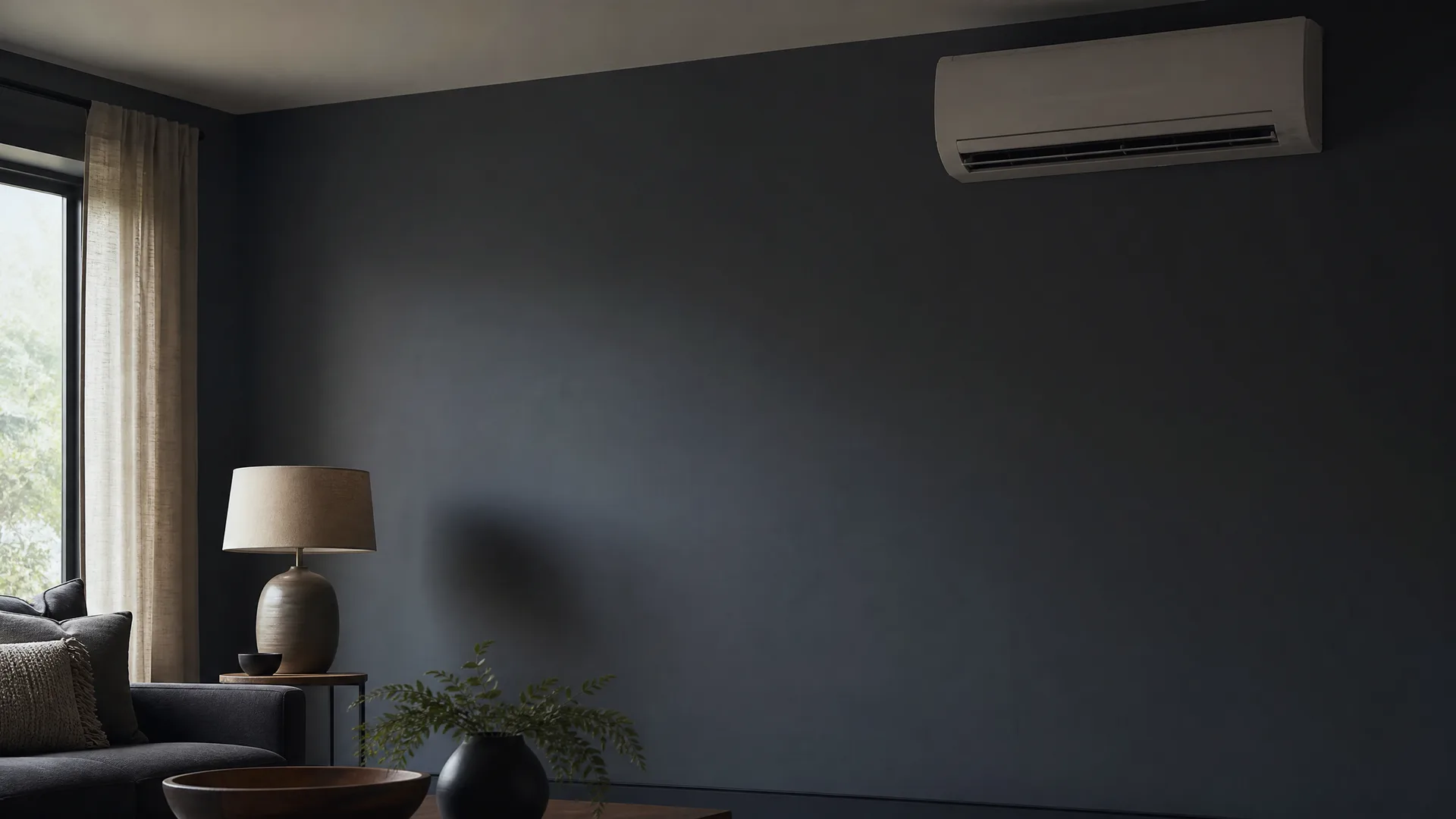
A dimly lit room with a dark gray wall holding a white wall-mounted mini-split air conditioner near the ceiling, with a sofa, table lamp, potted plant, and curtained window at left.

It's off your list after this

Answer a few questions instead of calling shop after shop.

Step 1 of 3: Equipment