
Running clean
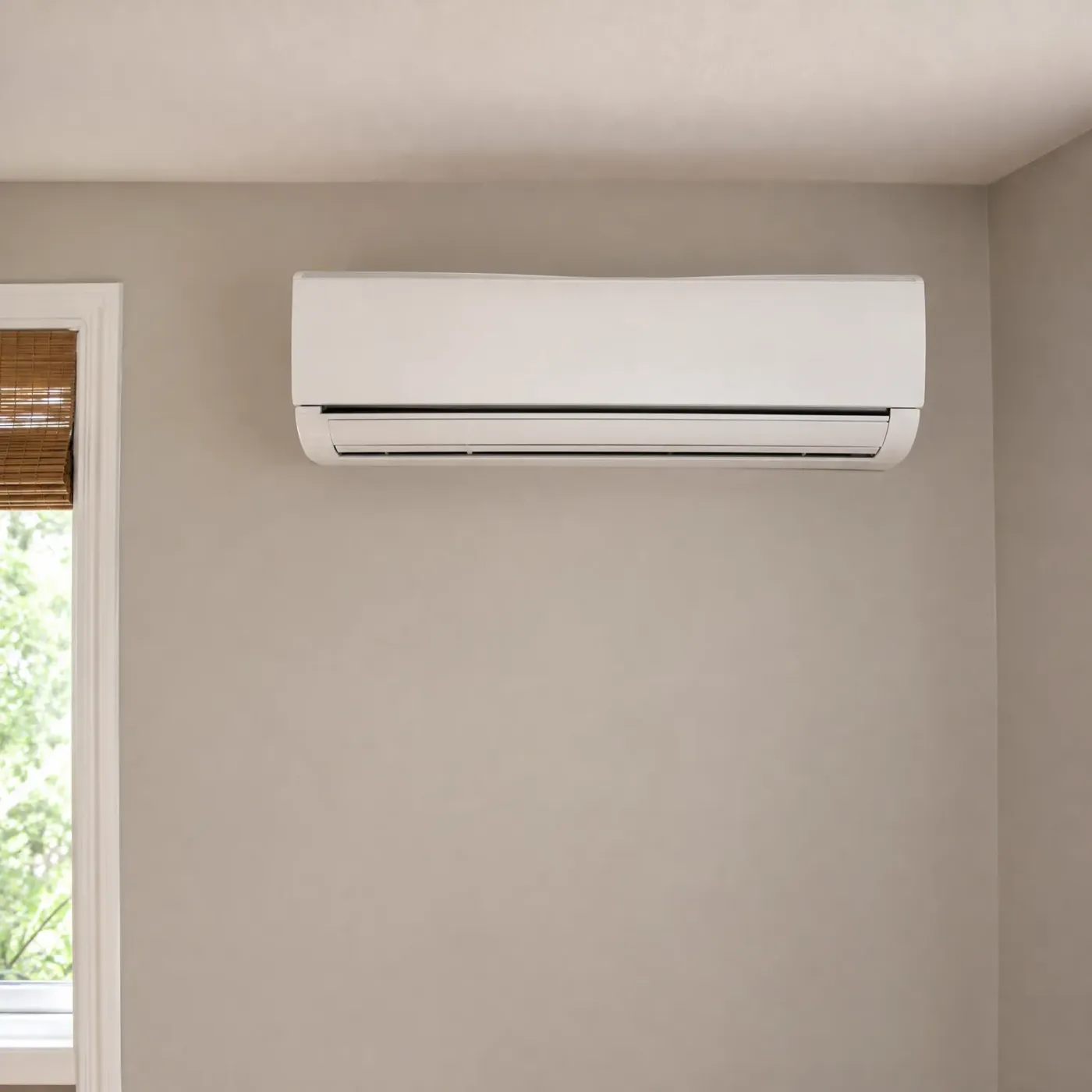
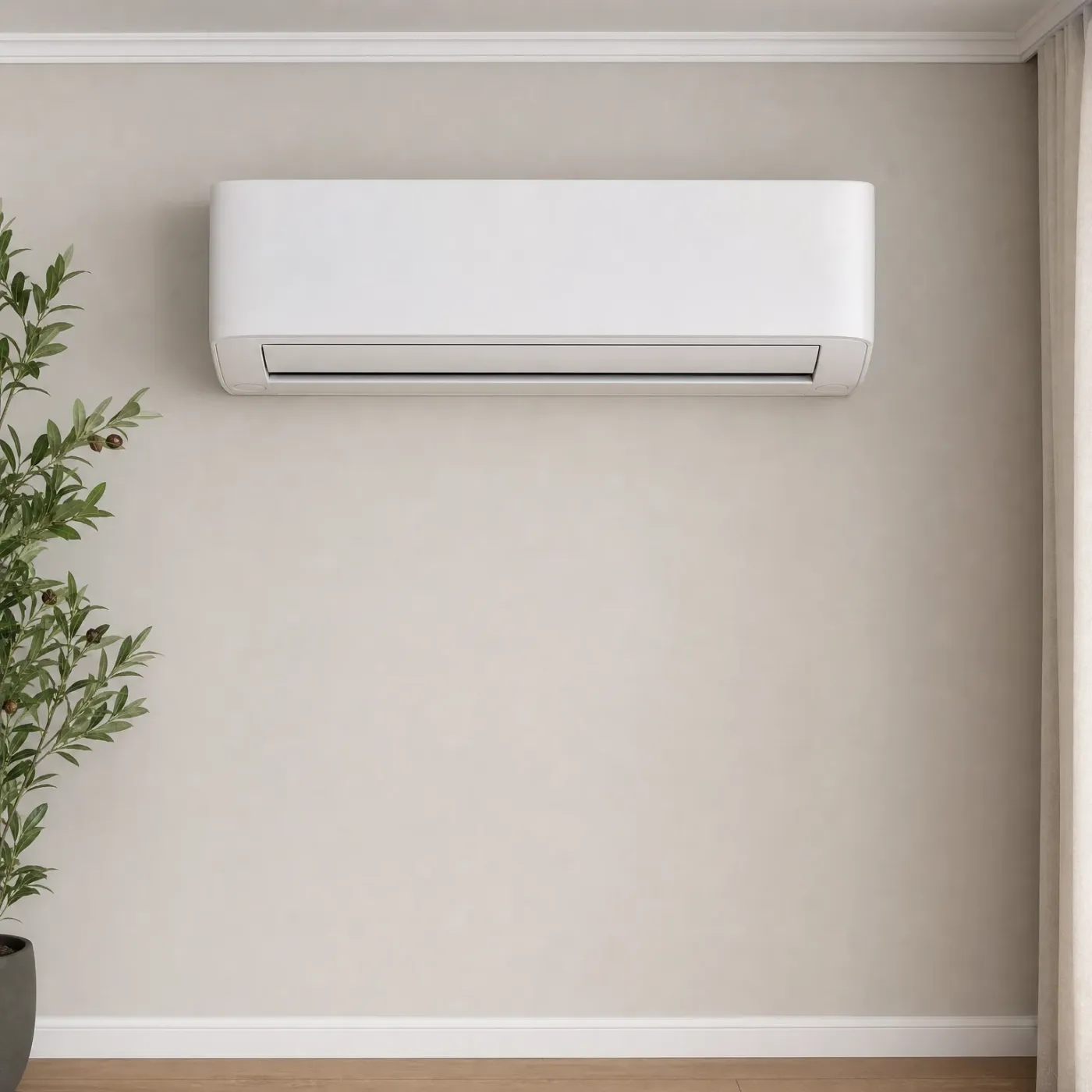
This is a head that's keeping up. The coil inside is clear, the fan isn't straining, and the air coming out feels like what you set the thermostat to. Nothing on the outdoor unit is holding it back from doing that.
Cold snaps in West Virginia can send a mini split's outdoor unit into a deep freeze, and that worries anyone counting on it to keep the house warm. Seeing ice build up on the coil or lines makes it look broken, especially when it keeps running but the air coming out feels weak. You want to know if this is normal cold-weather behavior or a sign something is failing before the next cold night.
A mini split pulls heat from outside air even in winter, and that process chills the outdoor coil enough to grow a light frost on cold, damp days. The unit is built to notice that frost and run a short defrost cycle to melt it off, then go back to heating. A thin coating that comes and goes isn't a problem. Ice that keeps building, covers the whole coil, or turns thick and doesn't clear points to a defrost cycle that isn't kicking in, a sensor giving it bad information, or airflow across the coil that's too weak to carry the heat needed to melt it. When that happens, the unit works harder and heats less, which matters on the coldest nights here when you're counting on it most.




The outdoor unit is built to run in freezing weather. When frost forms on the coil, the system reverses briefly, sends warm refrigerant outside, and melts it off. You'll see steam coming off the unit during this cycle. It happens automatically, on its own schedule, without anyone touching the thermostat. A unit sized and installed correctly for a West Virginia winter runs this cycle many times a day during a cold stretch and clears itself every time.

Ice that doesn't clear usually means something is stopping the defrost cycle or feeding it faster than it can keep up. A dirty outdoor coil can't shed heat the way it needs to. Low refrigerant drops the coil temperature below what the defrost cycle is designed to handle. A fan that's slowed or iced over stops pulling the air needed to melt the frost. Any one of these turns a normal frost layer into ice that builds instead of breaking.

When that ice builds up and doesn't clear, the outdoor unit can't pull heat from the air anymore. The head inside your house will run and run and blow air that isn't warm, and the rooms you're trying to keep comfortable for everyone at home will slowly lose ground. In a hard freeze, that's not a small thing. A mini split that's iced over and stuck is a mini split that's stopped heating, right when West Virginia cold snaps make it matter most.
Ice that keeps coming back usually points to something specific: a refrigerant leak, a failing defrost sensor, or a fan that's not moving enough air across the coil. Those aren't jobs to guess at. A local contractor who services mini splits through winters like these has likely seen the same failure on the same kind of unit before, and knows what to check first. Getting matched with one contractor near you, rather than several at once, means one phone call and one visit to find out what's actually wrong with your system.

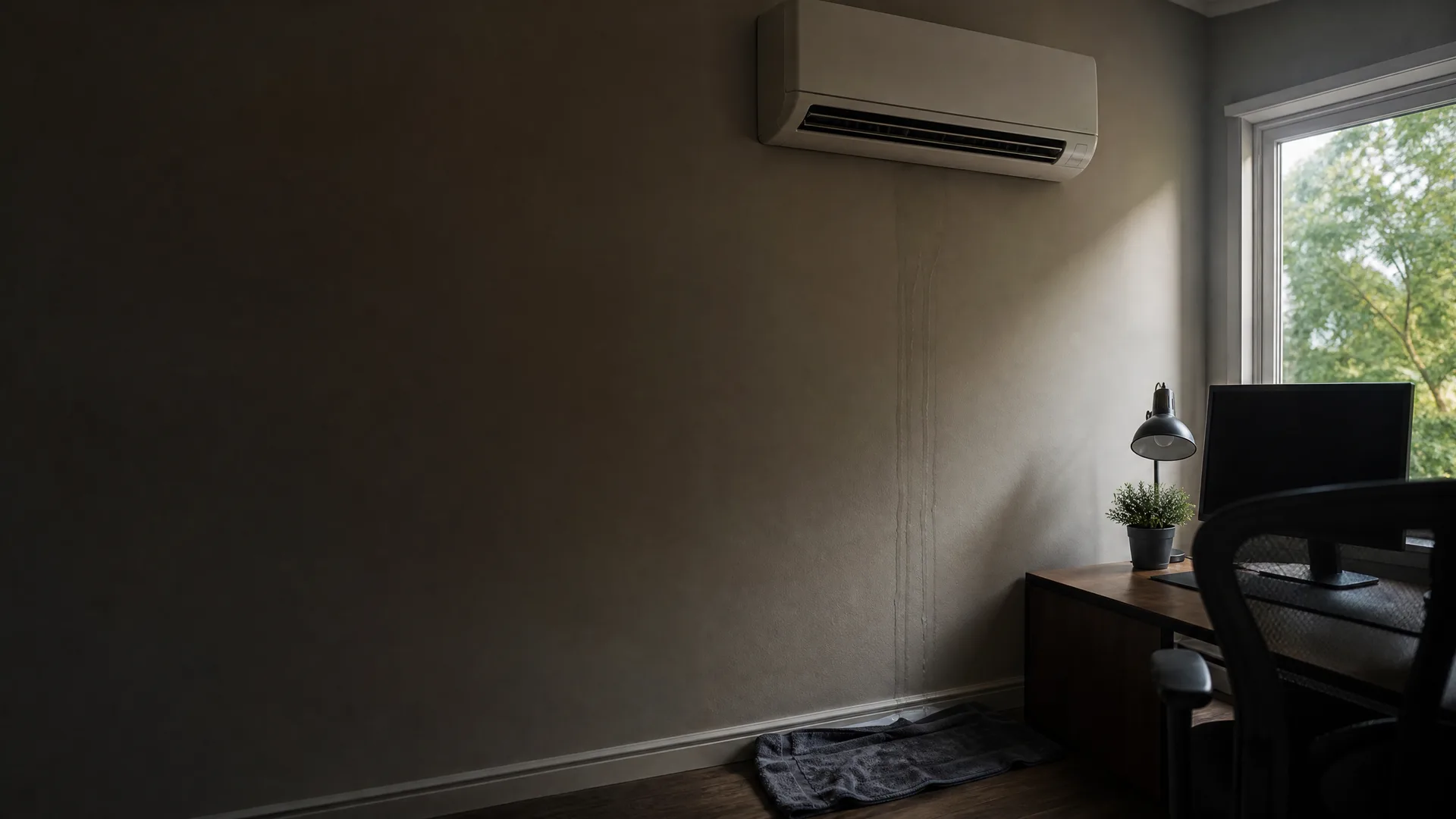
You're at the desk in the office this afternoon, the mini split on the wall humming along, and you notice the wall under it has gone dark. A wet streak runs down from the unit to the baseboard. You grab a towel and lay it on the floor where the drip keeps landing. Outside it's been cold enough that the outdoor unit has been fighting ice for days, and the water finds its way in somewhere you can't see. A contractor who works on these systems around West Virginia all winter would know where to look first, the drain line or the coil itself, and whoever gets matched to your house would come knowing that before they knock.
A mini split that won't clear its ice on its own usually has a reason behind it: a defrost sensor that's failing, a reversing valve that's stuck, or an outdoor fan that's slowing down and letting frost outrun the defrost cycle. None of that is something to watch and wait on, especially with a cold snap holding on. A contractor who services mini splits in West Virginia winters all the time has seen what a stuck reversing valve looks like next to a dirty coil or a low refrigerant charge, and can tell the difference fast instead of guessing. Ask for help here and your request goes to one licensed contractor local to you, not a handful of companies competing for the job. That matters when your heat is down and you don't want your phone ringing all afternoon with sales calls. You just want the ice gone and the warm air back on. Get matched now and let someone who knows this equipment take a look.

Summers in West Virginia run muggy, with the dew point averaging 61°F across June, July and August, according to NOAA climate data. That's humid enough that your mini split spends those months pulling a steady load of moisture out of the air, not just cooling it. The coil stays wet for hours at a time instead of drying between cycles. That matters once winter comes, because the same coil and the same drain path are what the system relies on to shed water during its defrost cycle. A drain line that's been running wet all summer is more likely to carry buildup into winter, and that's one more thing standing between a normal frost and ice that won't clear.
NASA POWER T2MDEW county cells weighted by homes
Go look at the outdoor unit. If the ice is thick, rough, or built up around the bottom where the lines run, that's not a normal defrost cycle. You might notice the fan isn't turning at all, or it's turning slower than it should. Inside, the head on the wall is running but the air coming out feels barely warm, maybe cool. Some rooms in the house are holding heat fine and others aren't, depending on which head is tied to that outdoor unit. If you let it run like this for days, the strain can push the compressor harder than it's built for, and that's a more expensive repair than whatever caused the ice in the first place. The part failing underneath that ice won't fix itself by waiting out the cold snap.
This is a head that's keeping up. The coil inside is clear, the fan isn't straining, and the air coming out feels like what you set the thermostat to. Nothing on the outdoor unit is holding it back from doing that.
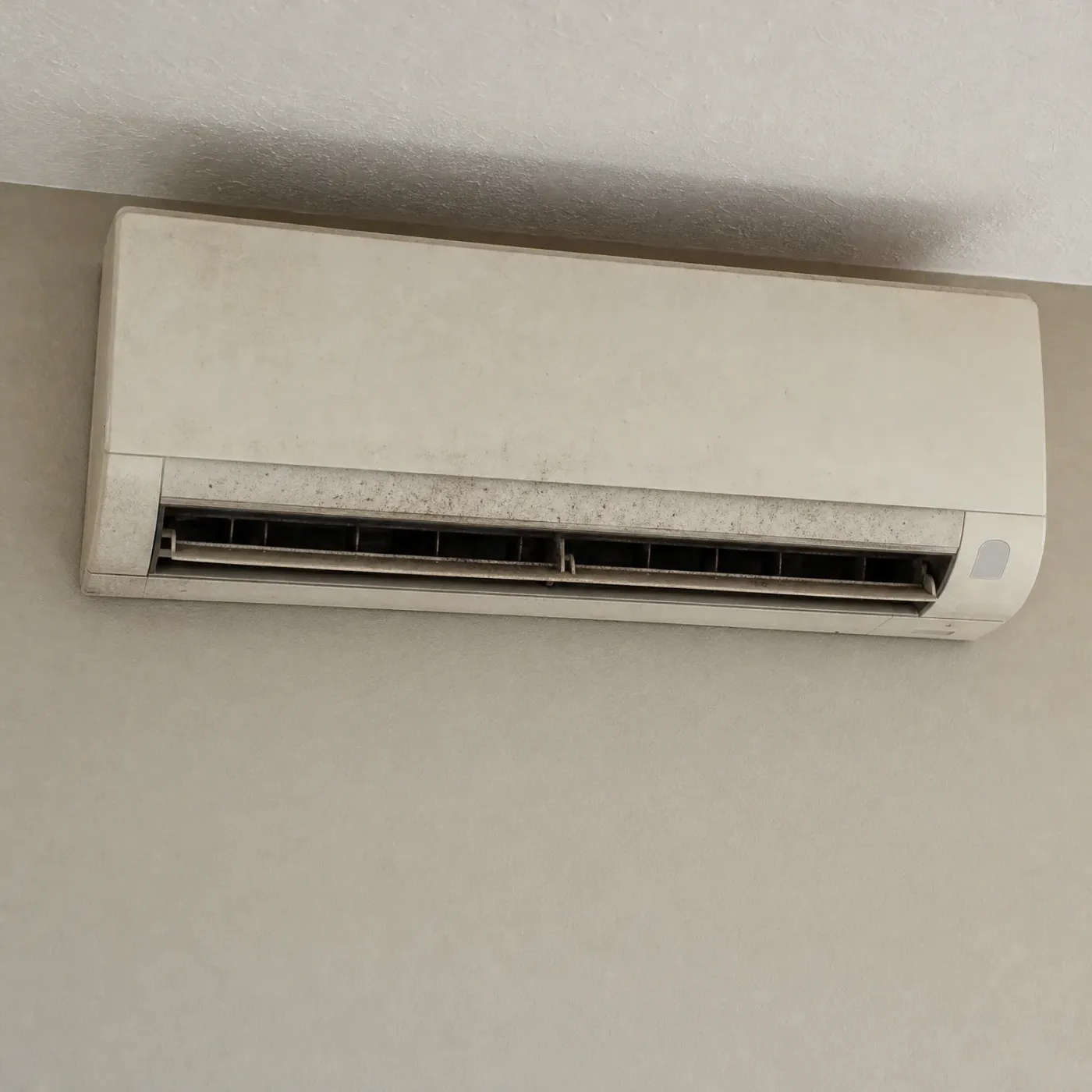
Grime like this across the front panel and louvers means air isn't moving through the way it should. A unit working this hard to breathe is more likely to run long cycles outside, too, which gives ice more chance to build before a defrost clears it.
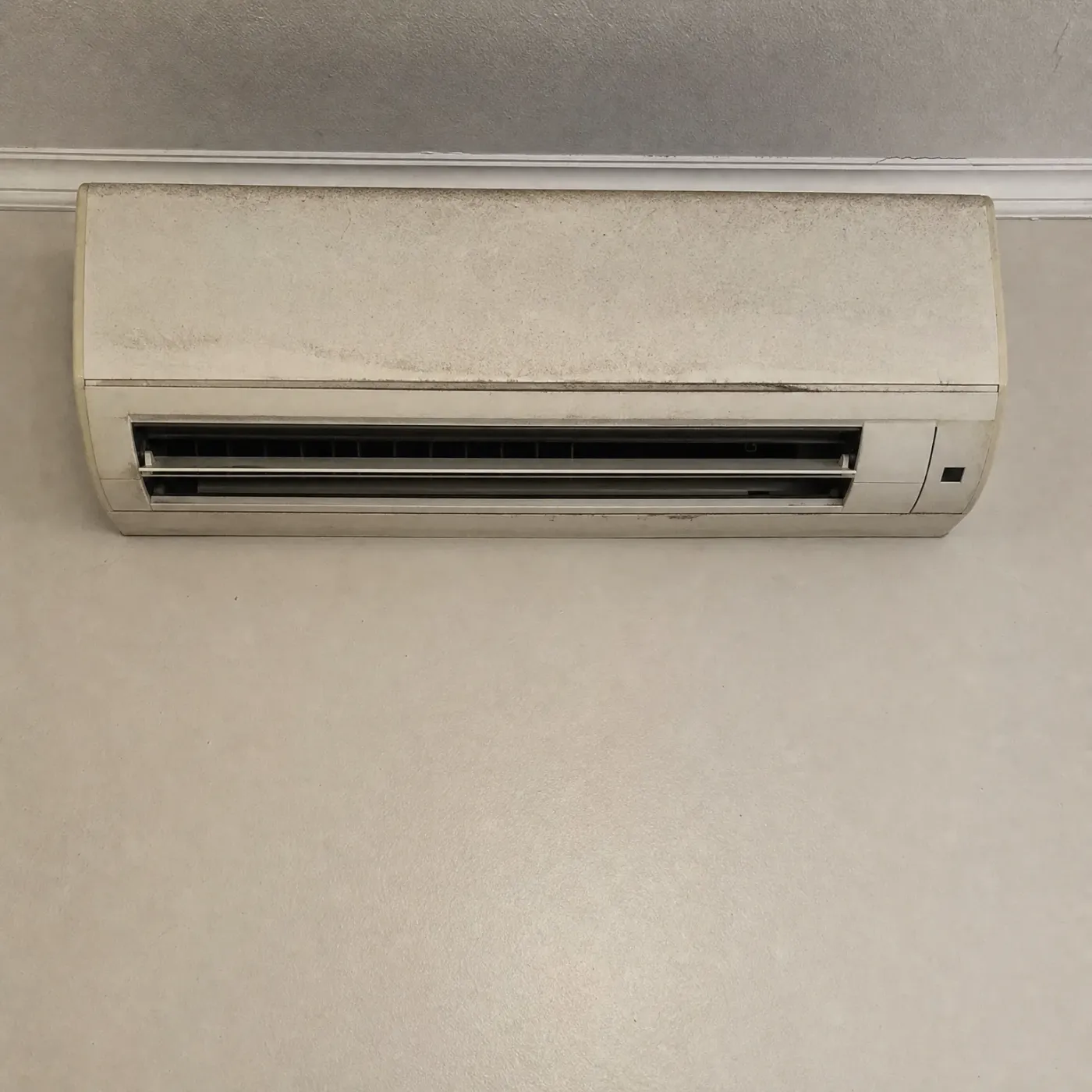
The outdoor unit has a sensor on the coil watching for frost. Once it builds up enough, the control board reverses the system for a few minutes, sending hot gas outside instead of in. That's why the indoor head stops blowing warm air and the fan out back cuts off during a defrost. A thermistor near the coil tells the board when the ice has actually melted, so it knows when to switch back to heating instead of guessing. Most of the time this runs on its own and you'd barely notice it. It stops working the way it should when one part of that chain falls behind. A slow or stopped outdoor fan lets frost pile up faster than the defrost cycle can keep up with. A reversing valve that sticks halfway can leave the unit cycling through defrost without ever coming back to heat mode. And if the refrigerant charge is low, the coil runs colder than it's supposed to, so you get frost forming even on milder days.


At 15.39 cents a kilowatt-hour, running the outdoor unit through extra defrost cycles costs you something, but it's a fair price statewide. A frozen coil that won't clear is the real expense, since the head keeps drawing power while it blows air that isn't warm.
EIA-861 2025 statewide residential average
Ice that clears on its own in ten or fifteen minutes is just a mini split doing its job in cold weather. Ice that stays, grows rough, or keeps the fan from turning means something in the system has failed and won't fix itself. A frozen coil can't pull heat from the air, so the head inside keeps running while the rooms it's supposed to warm stay cold, and that's not something to leave alone through a West Virginia winter. Getting it looked at means someone local who works on mini splits all season, in homes with the same cold snaps and the same freeze-up problems, and who knows whether it's the defrost sensor, the reversing valve, or the fan motor before they even open the unit up. You'll be matched with one contractor, not a handful calling at once, licensed to do the work and familiar with this equipment in this kind of weather. From there it's their call to figure out what's wrong and get the heat back on.





Your request stays with one local pro.
Asking costs nothing, and the choice to hire stays yours.