
Running right
Set to heat, this unit puts out warm air you can feel across the room. No cold stripe coming off the coil, no short cycling, no ice on the outdoor unit. The wall behind it stays clean because the coil inside is doing its job.
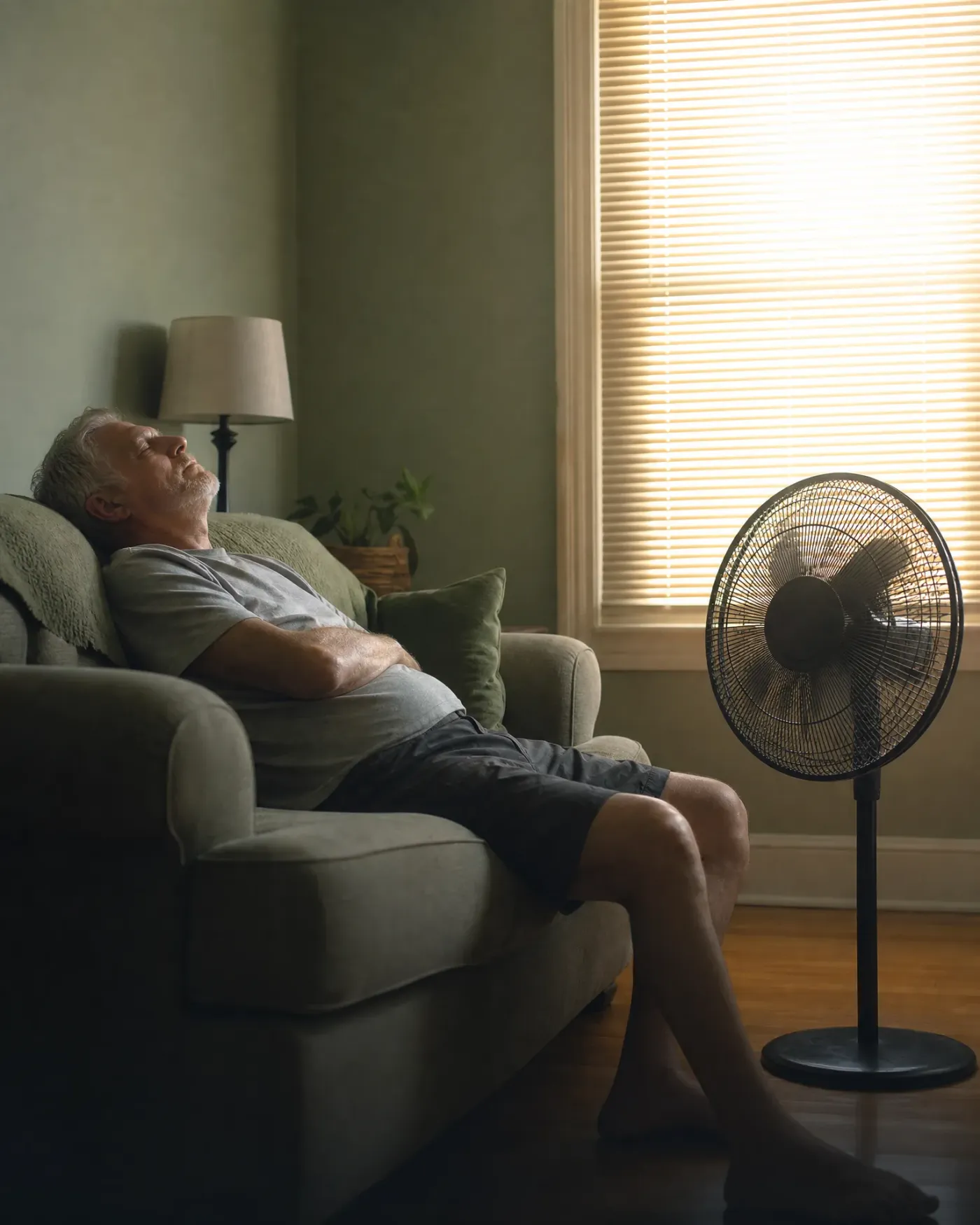
You've got the thermostat set to heat and you're standing in front of the unit feeling cool air coming out, not warm. With how muggy it gets here in summer, you're used to this thing blowing cold, so cold air on a heat setting doesn't add up. You want to know if it's broken or if it's doing something normal before you worry about the people in the house being cold tonight.
A mini split blows cool air for a few minutes when it first switches into heat mode, while the system reverses itself and the indoor coil catches up. That's normal and it should turn warm within a few minutes. If it stays cool longer than that, the outdoor unit may be stuck in a defrost cycle, where it runs in cooling mode briefly to melt frost off the outdoor coil before switching back. That's also normal in cold weather, but it shouldn't last more than ten or fifteen minutes. If the air never warms up at all, the system is likely low on refrigerant or the reversing valve that switches it between heat and cool isn't shifting all the way. Either one means it's time for a contractor to look at it.
The thermostat calls for heat and tells the reversing valve to shift.
The reversing valve switches so refrigerant flows in the opposite direction.
A stuck reversing valve leaves refrigerant flowing the cooling way instead.
Cold refrigerant keeps moving through the indoor coil, so cold air blows out.
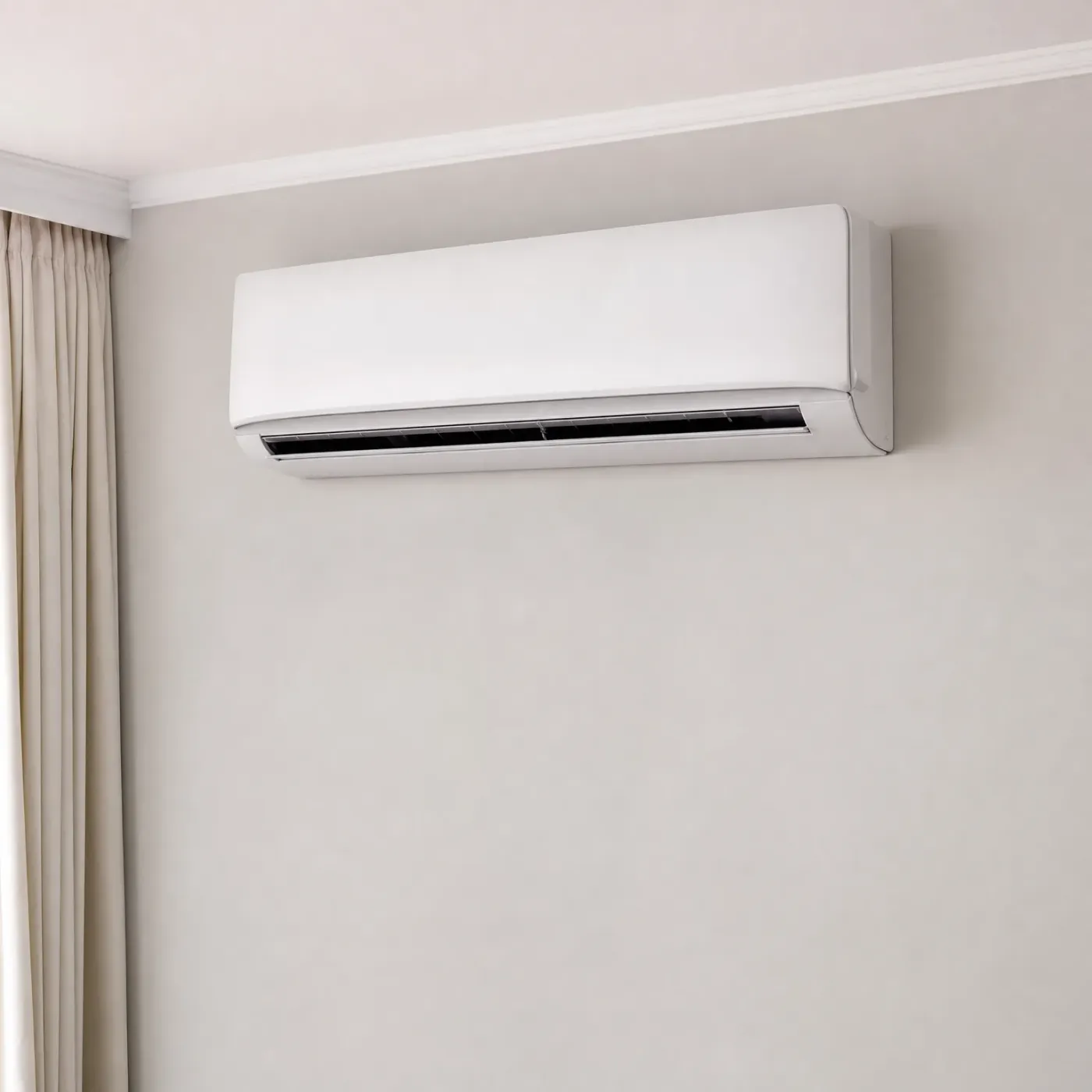
Set to heat, this unit puts out warm air you can feel across the room. No cold stripe coming off the coil, no short cycling, no ice on the outdoor unit. The wall behind it stays clean because the coil inside is doing its job.
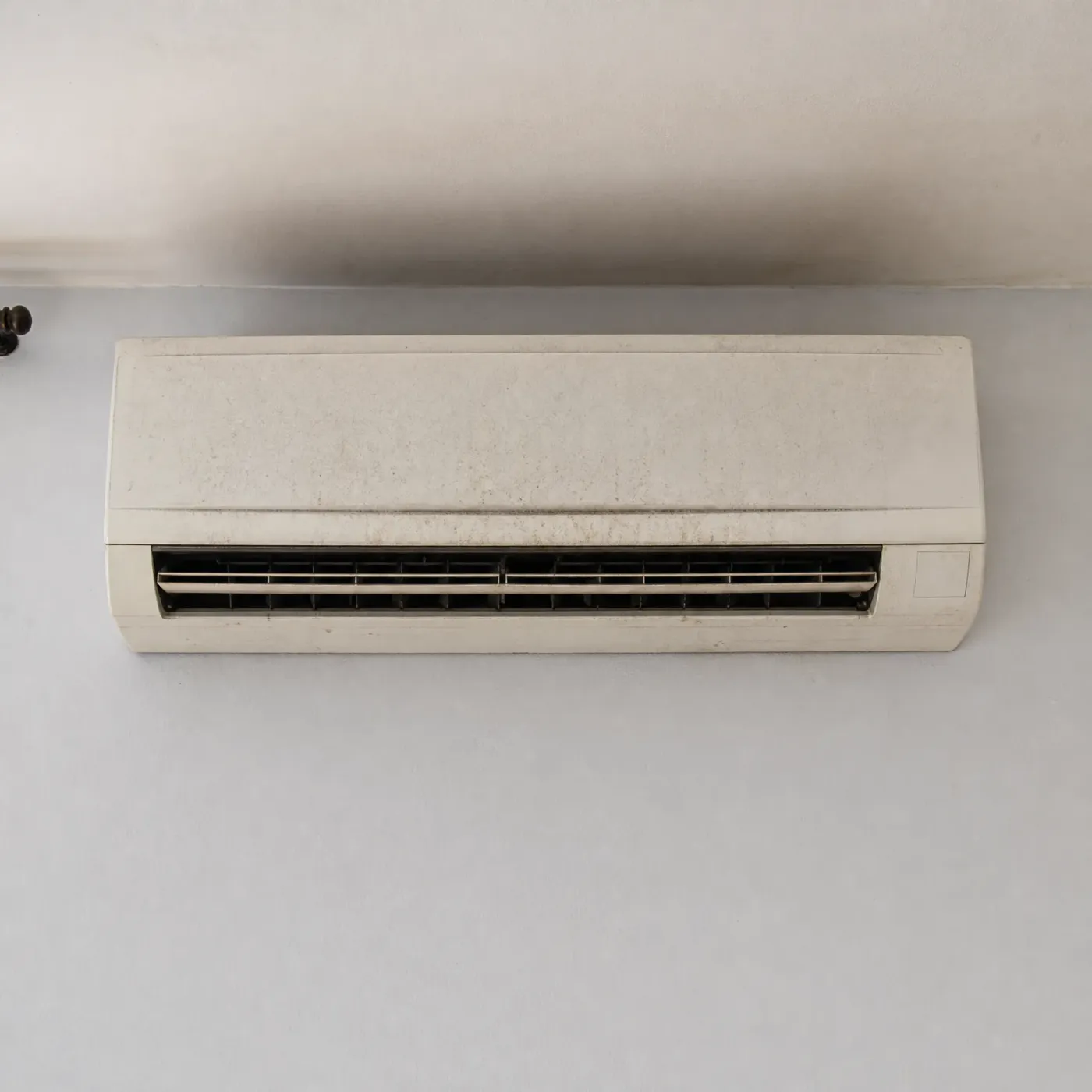
Dust and grime built up like this on the coil and housing often come with a unit that's been struggling for a while, not just blowing cold. Staining on the wall points to moisture the unit isn't handling right, on top of whatever the reversing valve is doing.




Only one pro gets your request, so you hear from one company.
Sending the form costs nothing.
The reversing valve is a single sliding piece inside the outdoor unit, moved by a small solenoid, that decides which direction refrigerant flows. There's no second path, no backup. If it won't slide, the whole system defaults to cooling, which is why you still get cold air even with the thermostat set to heat and calling for it. Mini splits use this one valve for both jobs instead of having separate heating and cooling circuits like some older systems. That's normally a good thing. It just means one worn part can flip the entire system to the wrong mode with nothing else wrong.
Electric heat in West Virginia already runs your bill up through the winter, and a mini split stuck in cooling mode doesn't just fail to warm the room. The outdoor unit keeps running, the indoor coil keeps blowing cold, and the system draws power the whole time without heating anything. Left alone, that's electricity spent for no comfort, in a season where you're counting on this unit to carry the load. It's also a sign the compressor is cycling against a valve that isn't where it should be, which is harder on the system over time than the valve failure itself.
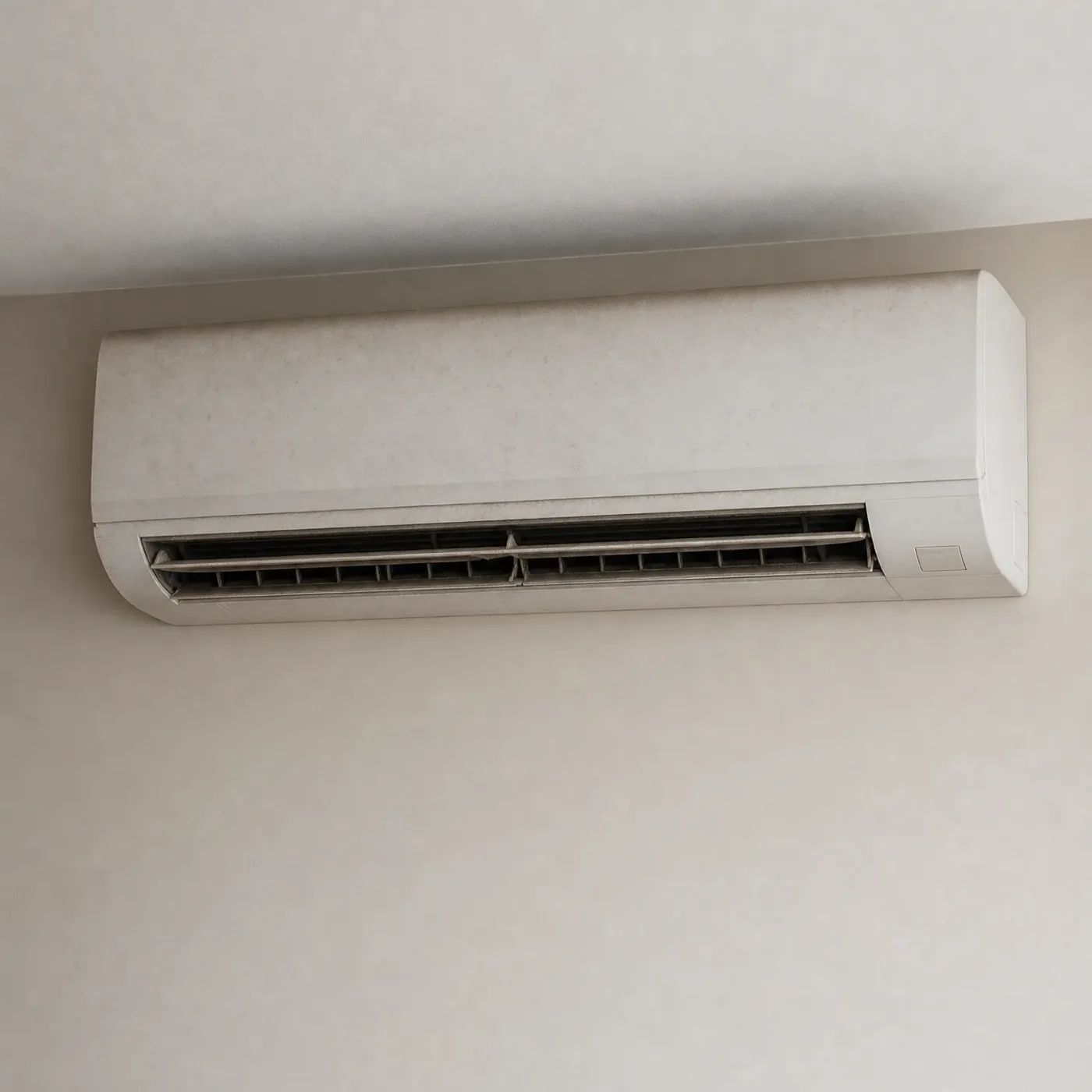
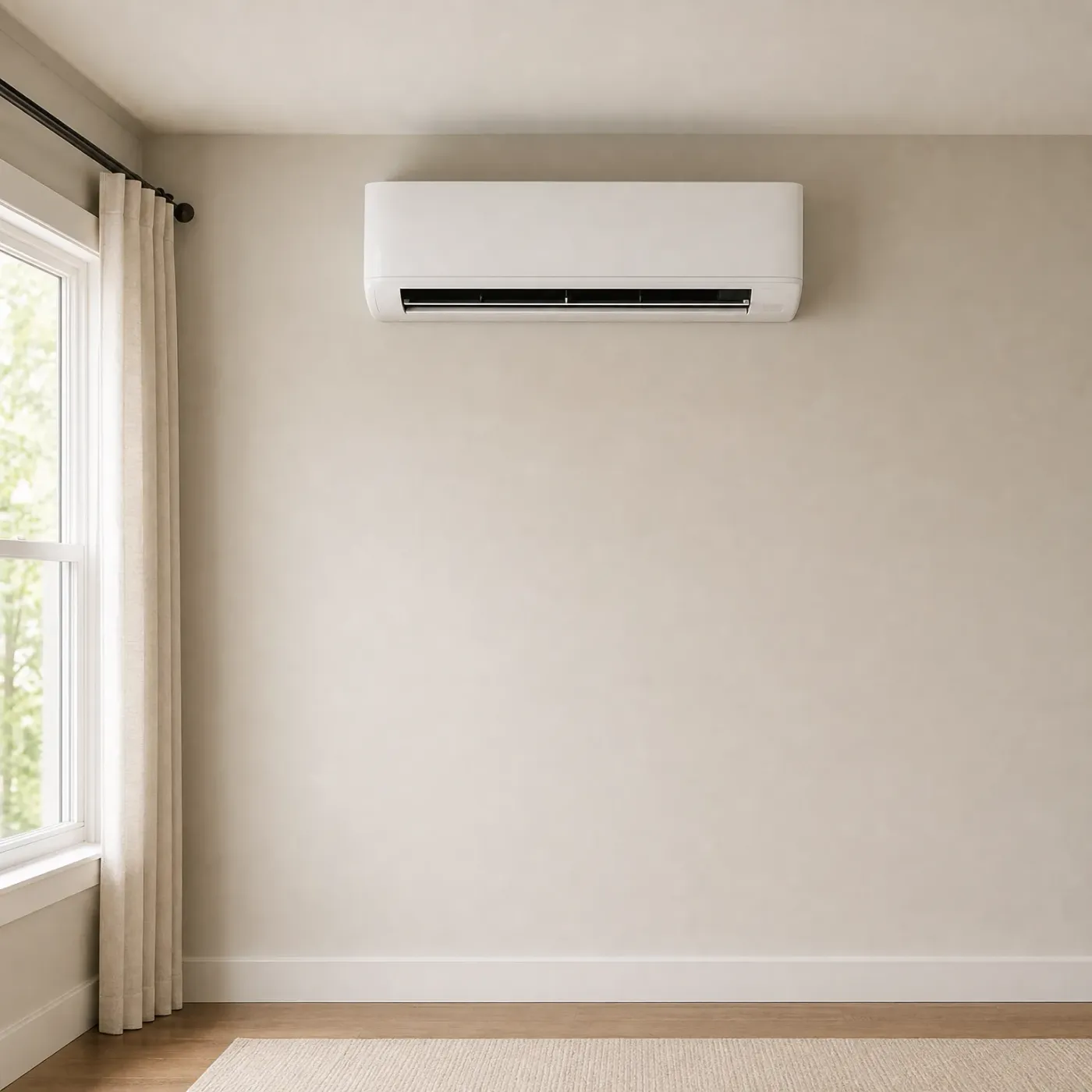
With most homes here heating on electricity, a mini split stuck blowing cold air isn't a minor annoyance, it's your main source of heat not working while the house cools down around everyone in it. You'll notice it room by room: the space feels damp and chilly instead of warm, and if you've got kids or older family members home during the day, they'll feel it before you do checking the thermostat. Running the unit on heat mode while it blows cold doesn't save you anything either, since the compressor and fan still draw power while the reversing valve sends refrigerant the wrong way. Leave it running like that and you're paying to make the house less comfortable, not more. The longer a stuck reversing valve goes without attention, the more the outdoor unit cycles trying to satisfy a call for heat it can't deliver, which is wear on a part that already isn't doing its job. None of this fixes itself by waiting for a warmer day or resetting the thermostat again.
At 15.39 cents per kilowatt-hour, running your mini split on electric resistance backup while the reversing valve stays stuck isn't cheap heat. The unit draws power trying to warm the room and comes up short, so you're paying for electricity that isn't doing its job.
EIA-861 2025 statewide residential average
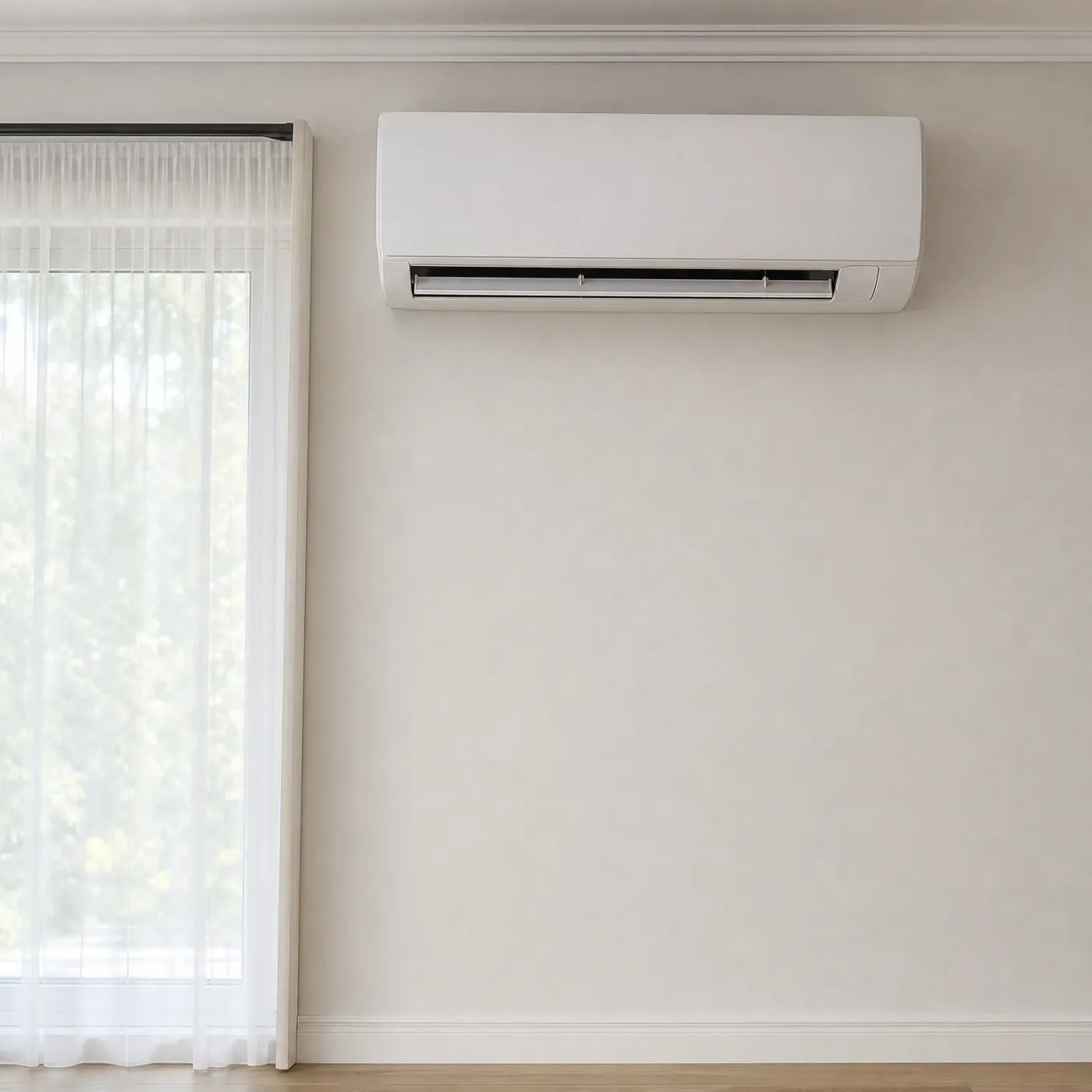
This is what a mini split looks like doing its job. Air moves freely through the vents, the coil behind the grille stays clean, and warm air reaches across the room when it's set to heat. Nothing on the wall or unit hints at a problem underneath.
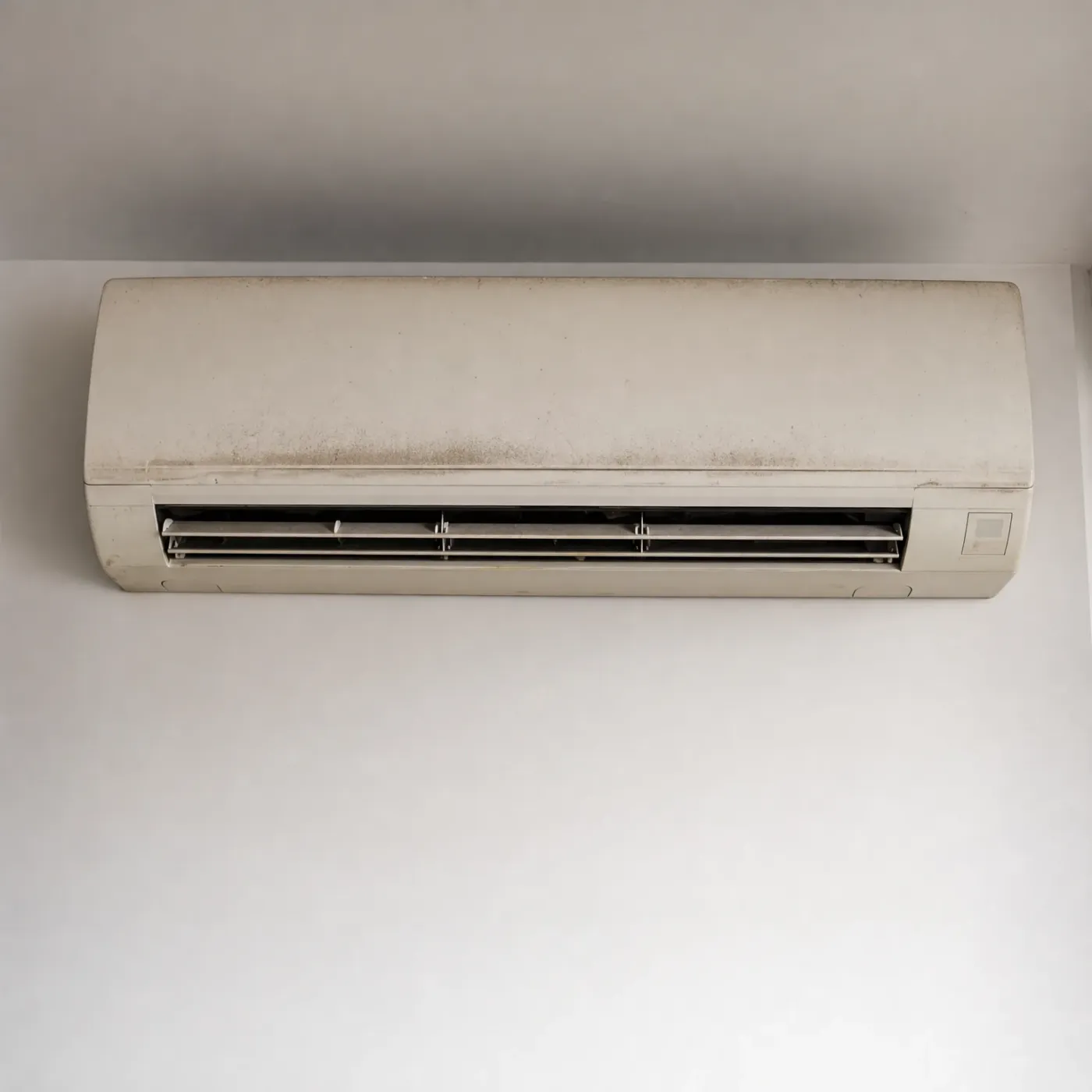
Dust and grime built up like this across the top and vents point to a unit that hasn't been cleaned in a while. A coil caked with dirt can't transfer heat the way it should, and that strain adds to whatever else is already keeping the room from warming up.

That's the answer. The valve that should be routing refrigerant to warm the room is stuck in the cooling position, and nothing about the thermostat setting changes that. It needs a licensed tech to open the outdoor unit and replace the valve.
Finding that tech is the part you can skip. Instead of searching around, calling a few companies, and explaining the same problem three times while you compare quotes, you get matched with one licensed contractor near you who works on mini splits all season and knows the reversing valve is the first place to look on a heat complaint like this. No flood of calls, no sorting through estimates. Just someone who can get out to the house and get the heat running the way it's supposed to, while the rest of the family stays warm.



A stuck reversing valve needs a tech who knows mini splits, not a guess. Instead of calling around, explaining the cold air problem over and over, and sorting through different quotes, you get matched with one licensed West Virginia contractor who works on these systems every season and already knows the reversing valve is the first thing to check on a heat complaint. No flood of calls from competing companies, just the one who can actually fix it.