

Left running all winter
The unit keeps cycling through its own defrost and stays ready for the next cold stretch. Small issues like a dirty filter or a weak drain line show up early, while they're still easy to fix.
Yes, a mini split can run all winter in West Virginia, and most of them do. It pulls heat from the outside air even when that air is cold, and it keeps working well below freezing. Below a certain outdoor temperature, usually somewhere in the teens or lower, it loses efficiency and may need help from a backup source if your home has one. You may also see the outdoor unit ice over and then shed that ice on its own, that's normal. What matters more than the cold itself is whether the unit is clean and charged right going into winter. A dirty filter or coil makes it work harder for less heat, and a mini split that's struggling in December usually started struggling in October without anyone noticing. Since most homes here heat with electricity, a mini split running harder than it should shows up directly on the bill.
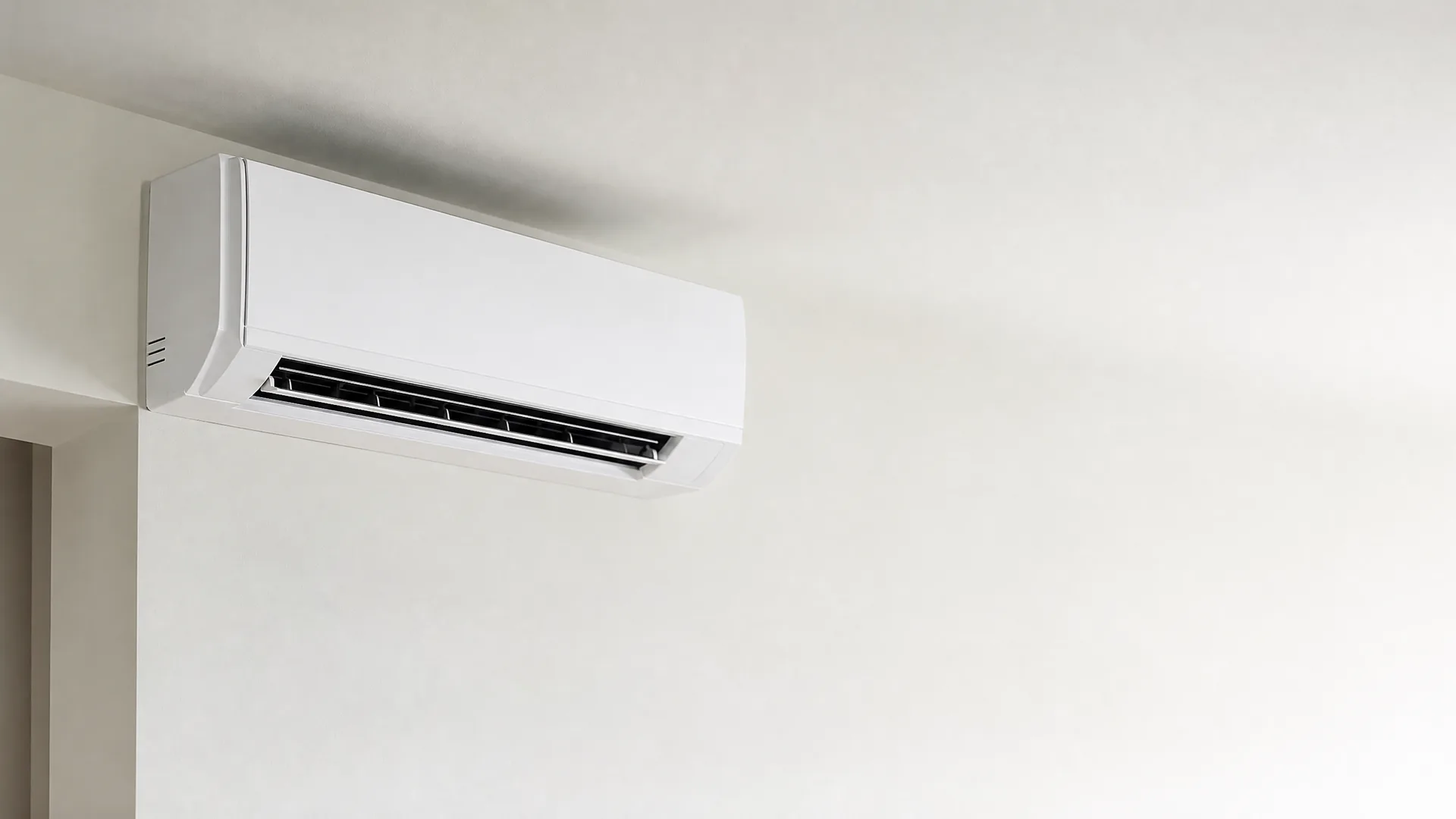
A mini split has a refrigerant coil outside and one inside. The outdoor coil picks up heat even when the air feels cold to you, because the refrigerant inside it is colder still. That heat moves inside through the line set and gets released into the room by the indoor unit's coil and fan. The colder it gets outside, the harder the compressor works to pull the same heat out of the air, and that's the point where you'll see it run longer and more often.
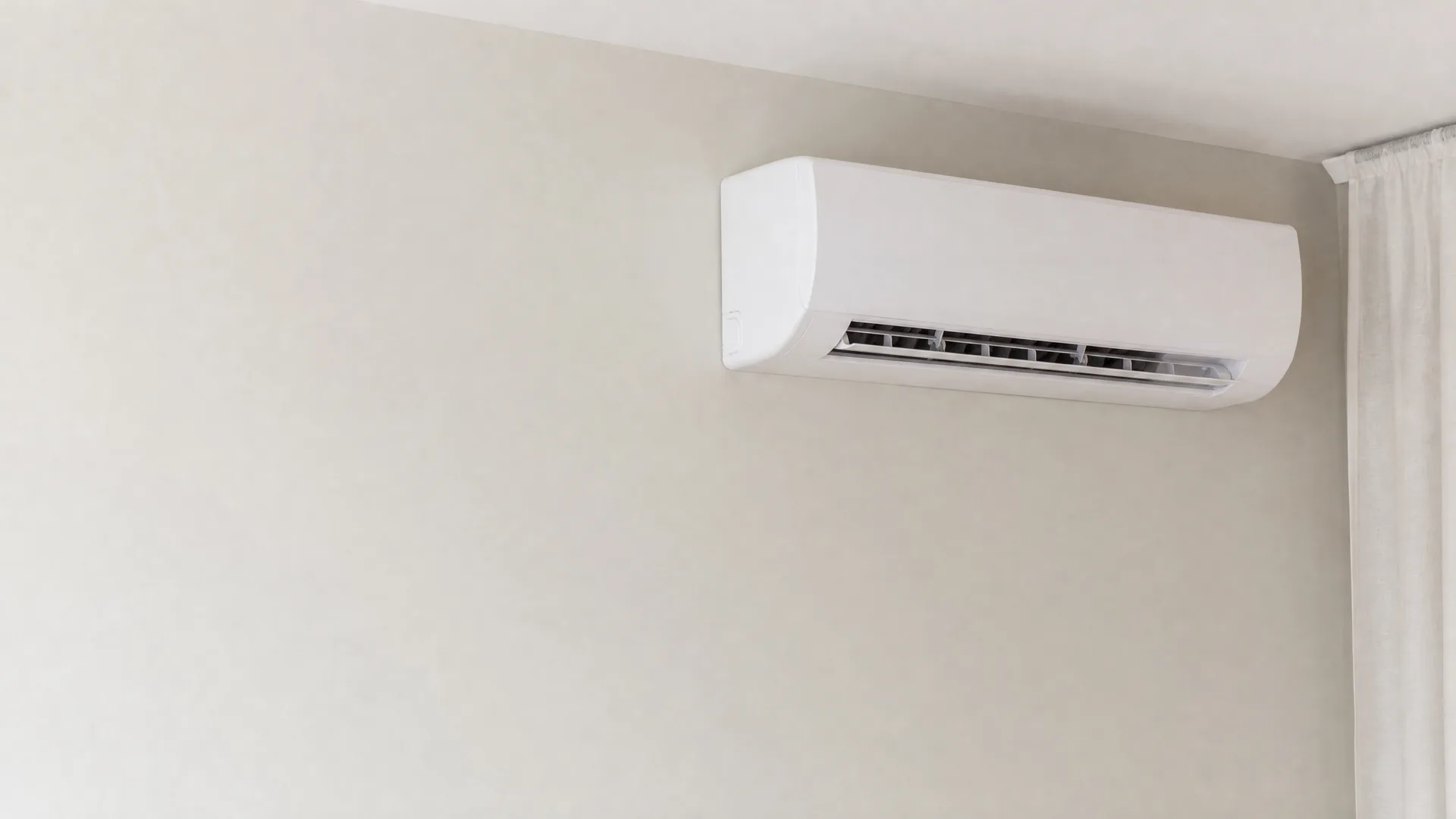
The outdoor unit has to pull air across that coil and drain condensation as it defrosts itself during winter runs. If snow piles against it or ice builds up underneath, the coil can't get airflow and the unit works harder than it should. Keeping a few inches clear around the sides and in front of it, and knocking down any icicles forming over the top, keeps the defrost cycle doing its job instead of fighting a blocked coil all season.




A licensed local pro takes the request for your mini split tune-up.
You're not committing to anything by asking.
Shut it off for the winter and the outdoor coil sits cold and idle, so the first mild day it has to fight through frost and buildup it never had a chance to clear on its own.
Leave it running and that same coil keeps cycling through its own defrost, so a tech checking it in February is looking at normal wear, not weeks of neglect it has to work through first.


The unit keeps cycling through its own defrost and stays ready for the next cold stretch. Small issues like a dirty filter or a weak drain line show up early, while they're still easy to fix.
The outdoor coil sits cold and idle for months. Nobody notices a clogged filter or a slow drain until spring, when the unit has to work through all of it at once.
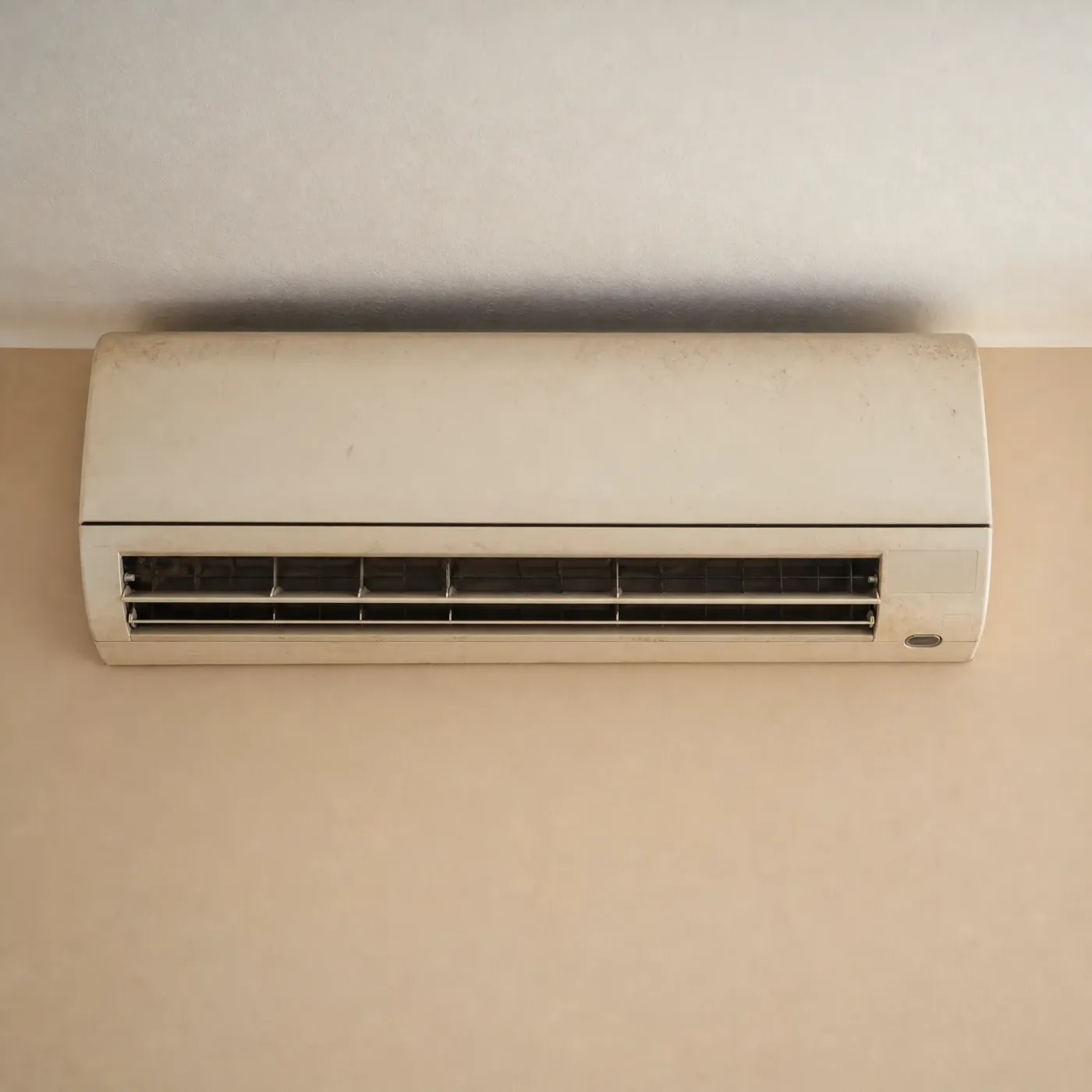
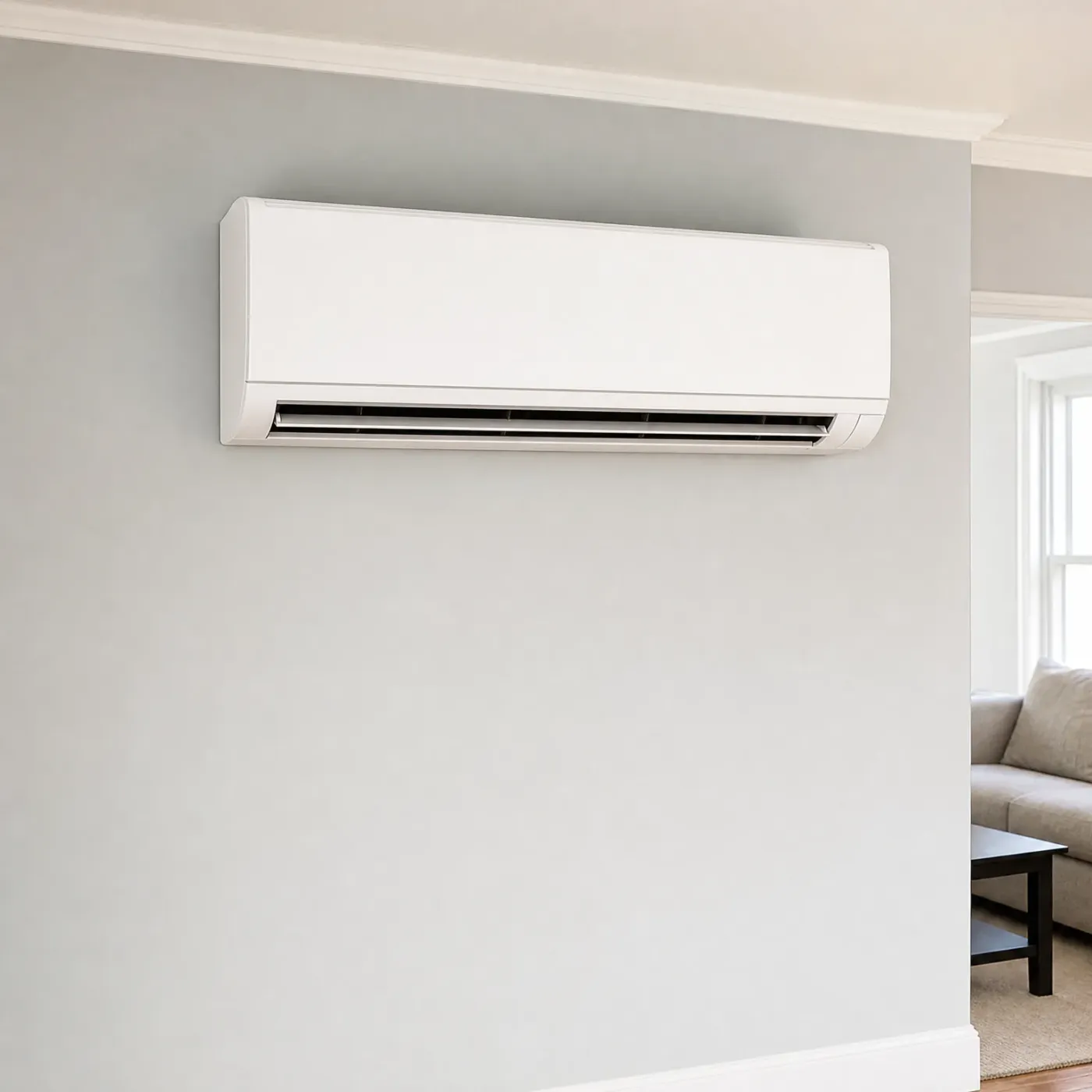
A mini split that sits off for weeks has a drain line that never moves. If anything settled in there in the fall, it stays put, and the first time you switch the unit back on, that's where water backs up. Cold snaps also hit the outdoor fan motor and the board harder on a restart than they do on a system that's already running. You won't know if either one is struggling until you need the heat most. Someone who checks it over before the cold sets in, or before you shut it off, catches a sticking fan or a slow drain while it's still a small job.
Leave it on and the small stuff shows itself while the weather's still mild enough to deal with. A filter getting dirty, a drain running slow, a fan that hesitates on start, all of it turns up in how the unit sounds or how evenly it heats, long before it becomes a breakdown in January. A contractor who works on these year-round in West Virginia knows which of those signs matter and which don't. Catching one early is a short visit. Catching it in the middle of a cold week, after it's already failed, is not. Most of what goes wrong with a mini split starts small and stays small if someone looks at it in time.
Since most homes here heat with electricity, that 15.39 cents a kilowatt-hour is most of your winter bill, not a side cost. A mini split uses less power to make the same heat than baseboard or resistance heat, so running it steadily through the winter costs less than switching it on and off and making it work harder to catch up.
EIA-861 2025 statewide residential average
A mini split in West Virginia is built for this. Cold outdoor air still has heat in it, and the unit keeps pulling that heat inside all winter without trouble. Shutting it down for a few months doesn't protect it. It just lets a clogged drain line or a dirty coil sit there until the next cold snap forces the issue, usually at a worse time than now.
Keeping it running costs something, since most homes here heat with electricity and that's most of the winter bill either way. But a mini split moves heat instead of making it, so it costs less to run steadily than baseboard heat does for the same warmth. The savings show up in how the unit is treated, not just in how it's used. A unit that cycles on and off through the day defrosts itself as it goes. One that sits idle doesn't get that chance, and when you flip it back on, that's when a weak drain line or a coil caked with buildup from last fall shows itself.
A contractor who works on these units all winter in this area has seen which ones struggle once the temperature drops and which parts tend to go first. That's who takes the call, one person, not a string of quotes from different companies. You already know the sound and feel of your unit on a normal day. That's worth something too. You'll be the first to notice when it's working harder than it should.





Only one pro gets your request, so you hear from one company.
No charge to send it. You decide if you hire them.