Yes, for most houses in West Virginia a cold-climate mini split earns its keep. These units are built to keep making heat down into very low outdoor temperatures, well past the point where a standard heat pump gives up and leans on backup heat. That matters here because so many homes heat with electricity, and electric resistance heat is the most expensive way to warm a house. A cold-climate mini split moves heat instead of generating it, so it can supply a winter's worth of heating at a fraction of that cost while covering summer cooling in the same unit, which helps once the muggy months set in. The trade-off is upfront cost and the fact that output still drops some as it gets colder outside, so sizing and setup have to match your house and how you already heat it. For a house that depends on electric heat today, swapping in a cold-climate mini split tends to pay for the difference over time.
How does a cold-climate mini split keep heating when it's freezing out?
You've got a mini split and you're watching the temperature drop into the 20s and teens, wondering if it's actually still pulling heat out of that cold air or if it's secretly running on backup resistance heat without telling you. It seems like it shouldn't work, since there's nothing warm outside to grab onto.
It uses a bigger compressor and a second expansion valve to pull heat out of air that's below freezing
A regular heat pump's compressor runs out of lift once the outdoor air gets cold enough, so it switches over to electric strip heat to keep up. A cold-climate mini split uses a variable-speed compressor that can ramp up harder when it's cold out, plus a second expansion valve partway through the refrigerant loop that lets it inject extra refrigerant vapor into the compressor mid-cycle. That keeps the compressor fed and the heat output steady even when the refrigerant outside is pulling heat from air well below freezing. Nothing about the process changes in principle. Refrigerant still boils at a low temperature outside, absorbs heat from the air, and gets compressed to release that heat inside. The cold-climate version just keeps that cycle working at outdoor temperatures that would stall a standard unit.
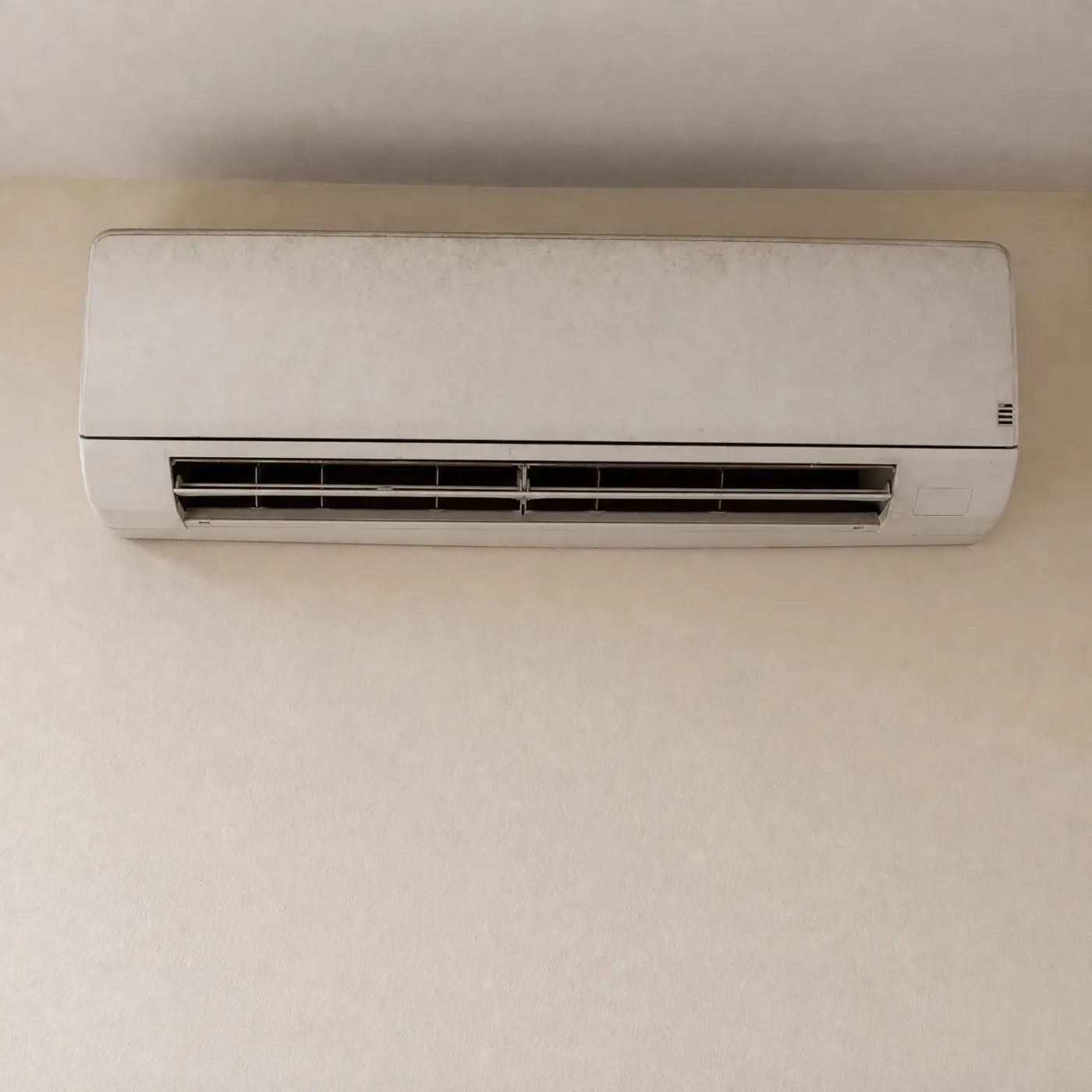
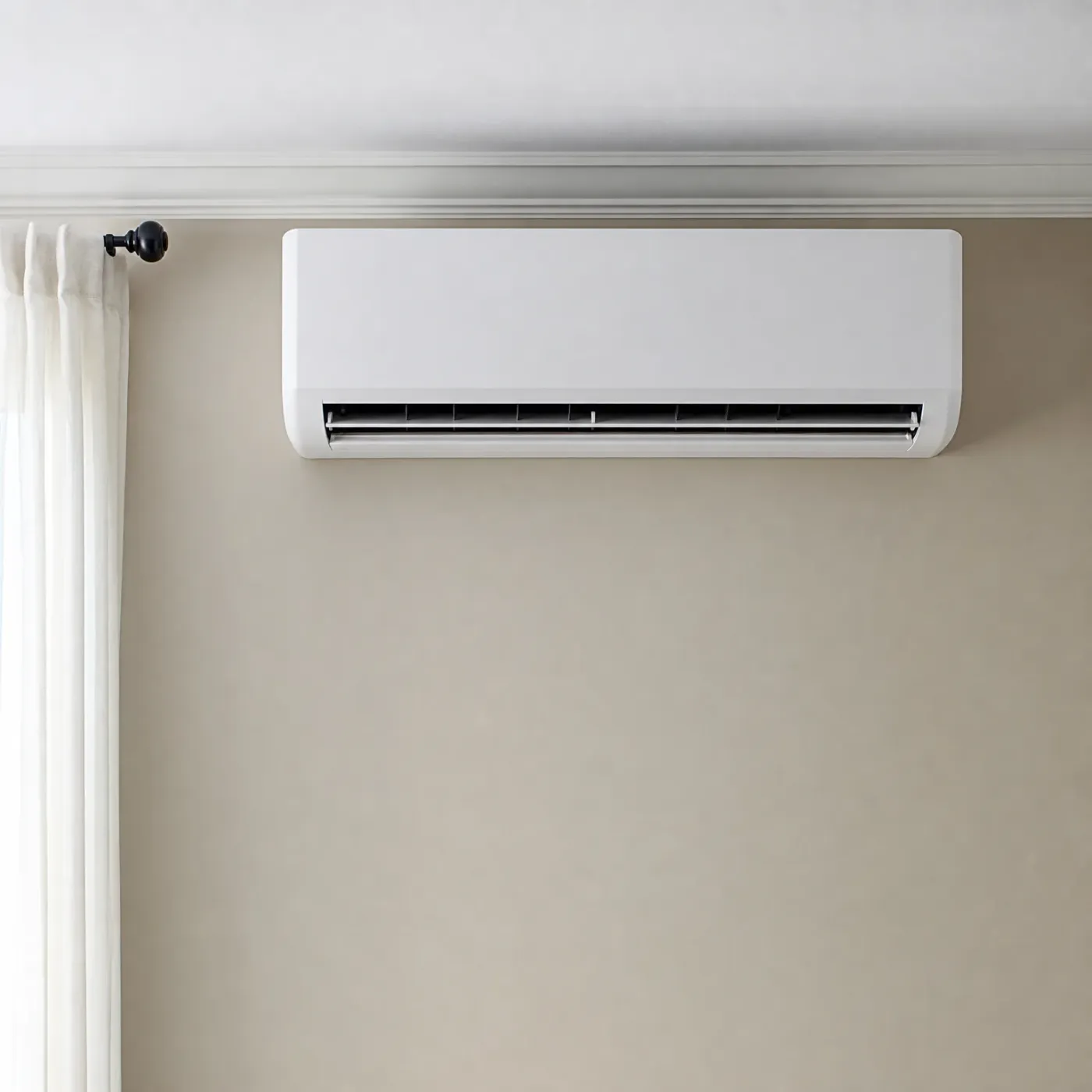
Running right
A mini split that's keeping up looks like this: quiet, the vents clear, warm or cool air moving steady out of the louvers. In West Virginia you want that through the sticky months and the cold ones, since most homes here heat with electric.
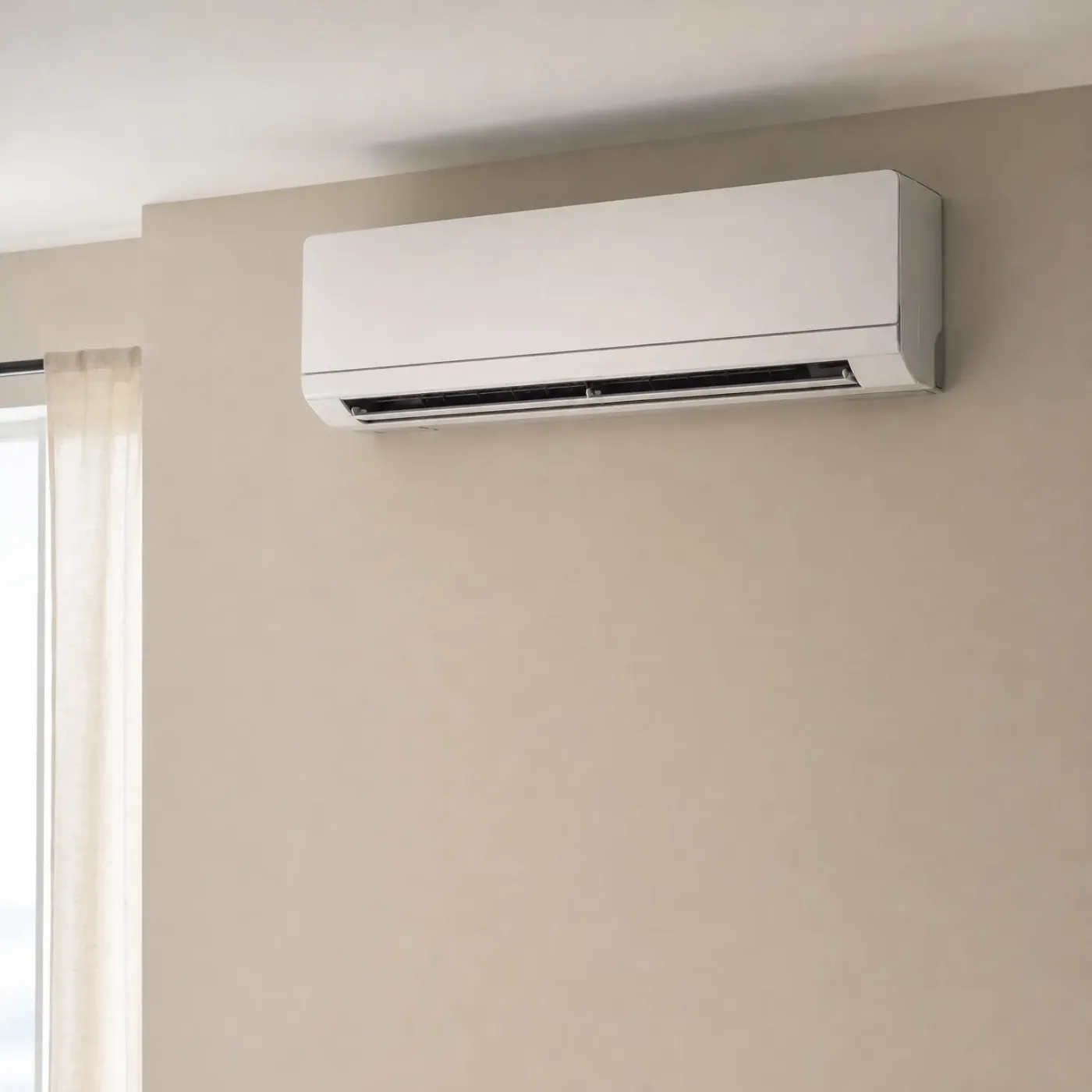
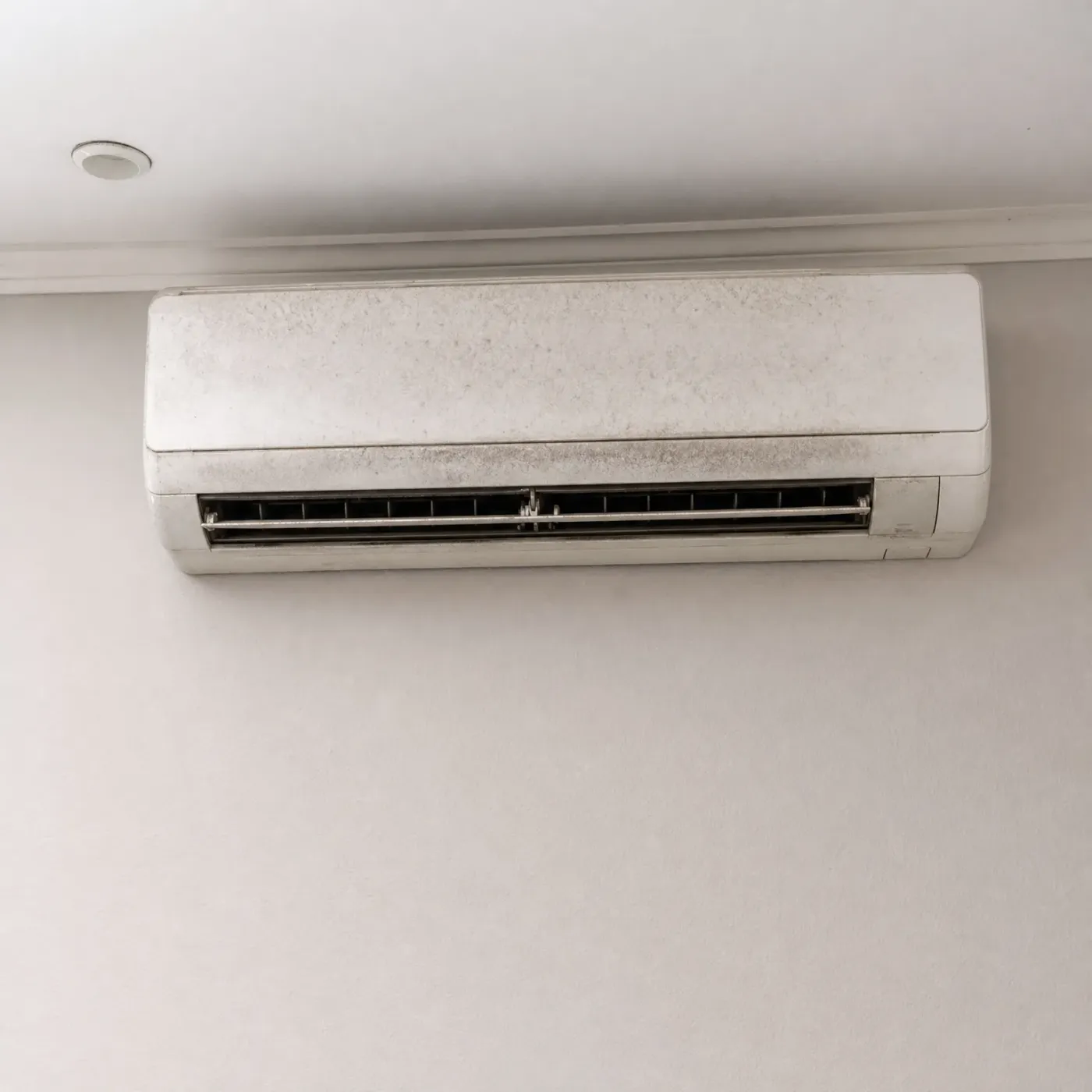
Falling behind
Dust built up like this on the coil and housing blocks airflow, and a unit working that hard to move air through it will cost more to run and heat or cool less. If yours looks like this, it's worth having someone check it before the next stretch of hard weather.
Does your mini split still struggle once it gets cold?
You notice it most on the coldest mornings. The unit runs almost constantly, the air coming out of the vents feels lukewarm instead of warm, and the room never quite catches up to the thermostat setting. Some units start leaning on electric resistance backup heat to make up the difference, and that's when the electric bill climbs even though the house doesn't feel any warmer. You might hear the outdoor unit cycling more than usual, or notice frost building up on it that takes a long time to clear. If this keeps happening, the system is working harder than it should and you're paying for heat you're not getting.
A mini split pulling its weight runs quiet, with steady warm or cool air out of the louvers and a clean case.
Dust caked on the casing and air that struggles to change the room are signs it's falling behind on the job.
Summers here run sticky, with the dew point averaging 61°F across June, July and August according to NOAA climate data. That's air your mini split has to wring moisture out of before the room feels right, not just cool it down. A cold-climate unit is built to pull that load without losing ground, but how well it's actually doing that in your house depends on the size of the unit and how it was installed. If the air coming out still feels damp or the room never quite dries out, that's worth a second look. Answer a few questions about your place and a contractor who handles mini splits in West Virginia will reach out, so you're not the one tracking down who to call.
After you send the request, you're done searching.
No fee to send it, and nothing to sign.
What's actually happening inside the unit
The outdoor unit has a variable-speed compressor that ramps up instead of just switching on and off like a standard unit.
At low outdoor temperatures the system runs a defrost cycle, briefly reversing to melt frost off the outdoor coil before switching back to heating.
Cold-climate models use an enhanced vapor injection circuit that feeds extra refrigerant through the compressor to keep heat output up in deep cold.
The indoor head reads the room temperature right where it hangs and adjusts output in small steps rather than big jumps.
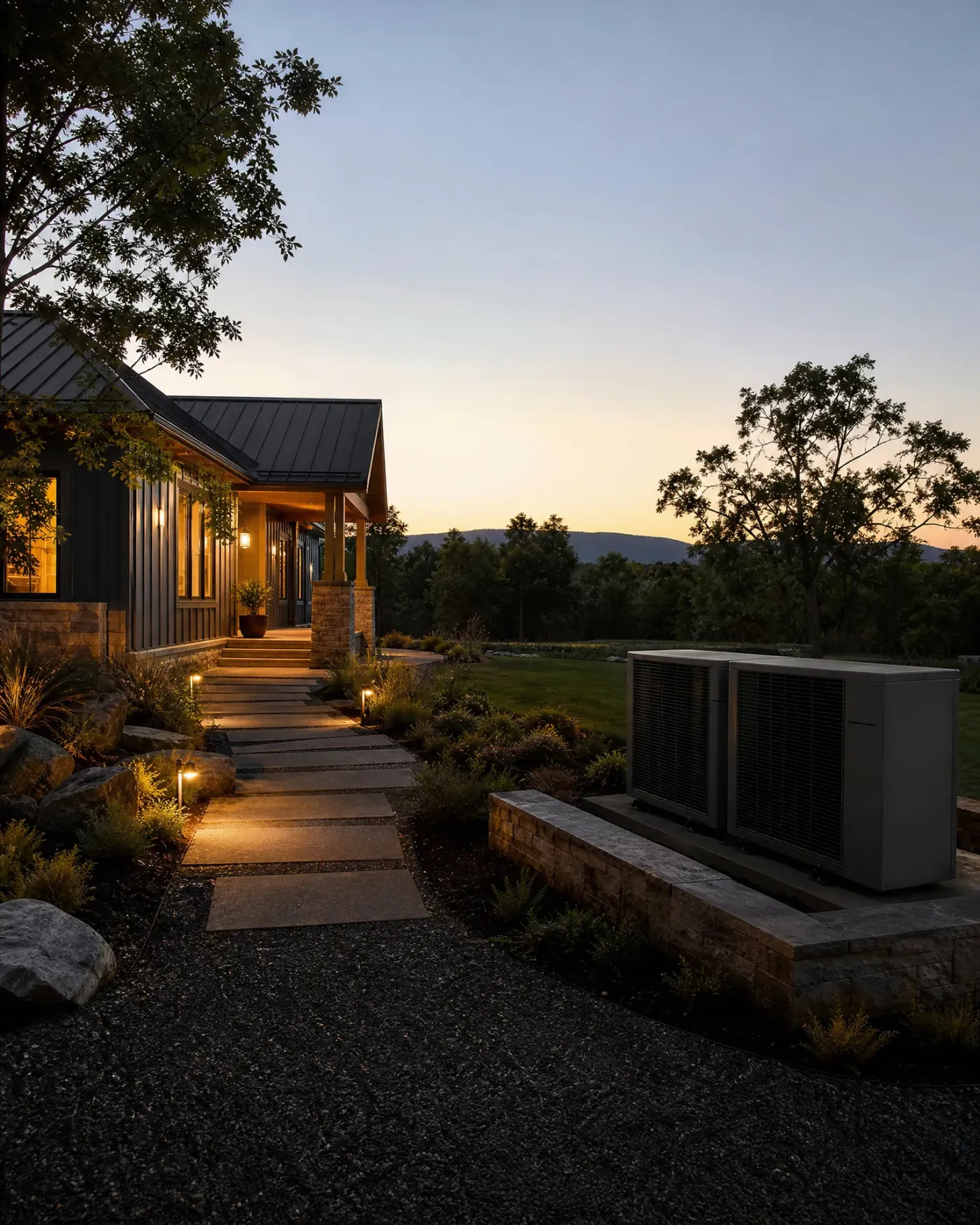
A larger outdoor coil and fan give the refrigerant more surface area to pull heat from air that's already cold.
Refrigerant lines run between the indoor and outdoor units carrying heat in either direction depending on the season.
Most standard heat pumps run the compressor flat out or not at all. A cold-climate mini split doesn't work that way. The compressor is variable-speed, so it ramps up and down to match what the room needs, and that's part of why it can keep pulling heat from air that's already cold instead of just stalling out. The enhanced vapor injection circuit is the other part. It feeds extra refrigerant through the compressor partway through the cycle, which keeps heat output up even when the outdoor air has given up most of what it's got. The outdoor coil and fan are bigger than what you'd find on a standard system, giving the refrigerant more surface to draw heat from. None of this runs nonstop without a break. When frost builds on that outdoor coil in freezing weather, the system briefly reverses itself, melting the frost off before switching back to heating. You might notice a short pause or a puff of steam from the outdoor unit during that cycle. That's normal. Inside, the head mounted on your wall is reading the room temperature right where it hangs and nudging output up or down in small steps rather than slamming on and off. The same refrigerant lines that carry heat indoors all winter carry it the other way come summer, pulling humidity and warmth out of the house once the dew point climbs. It's one system doing both jobs, just running the cycle in reverse.
Power costs 15.39 cents per kilowatt-hour statewide
Since most homes here run on electric heat, every degree your mini split pulls from the outdoor air instead of backup strip heat keeps more of that 15.39 cents per kilowatt-hour in your pocket. A cold-climate unit holds onto that efficiency even when a standard one would've quit and switched over.
EIA-861 2025 statewide residential average
Keeping the system you have
If the mini split already keeps the house warm when it's in the teens outside and doesn't lean hard on backup heat to do it, there's no case for swapping it out. A cold-climate unit holds its heating capacity down to low outdoor temperatures, so if that's what's installed and it's doing the job, you're already getting what the upgrade would promise. Keeping up with filters and coil cleaning matters more here than any replacement would. Spending money to install a second cold-climate system next to one that's already working just adds cost without adding comfort.
Installing a cold-climate unit
If what's running now is a standard heat pump, or the mini split is older and falls back on backup heat once it gets cold, installing a cold-climate model changes what winter feels like in that room. It keeps pulling heat from outdoor air at temperatures where a standard unit has already quit, so less of the electric bill goes to resistance heat. Since most homes here heat with electricity, that shift matters at West Virginia's prices. A contractor who installs these systems regularly can tell you whether your situation calls for it.
So, worth it where you live
A cold-climate mini split is worth it for most houses in West Virginia. It keeps making heat when a standard unit would already be leaning on backup strip heat, and that's the difference that shows up on an electric bill here. The question now isn't whether the technology holds up. It's whether the one on your wall is doing what it's supposed to, or struggling in a way that's cost you comfort and money without you having a clear answer why.
If you're not sure which one describes your situation, you don't have to figure it out alone. Sending the form puts your situation in front of a contractor who works on these systems in West Virginia, and they'll reach out to look at what you've actually got rather than guess. Once that's sent, it's off your plate. You don't have to track down who to call or sort through who's any good. That part becomes someone else's job to handle, and yours is just to wait for them to get in touch.
Mini Split Installation
Matched to your mini split job
Step 1 of 3: Equipment
Say what's going on with your mini split, and a pro who works on them reaches out.
A local pro who knows mini splits gets your details and gets in touch.
Send the request and finding a pro stops being your problem.
After this form, you can stop searching for a mini split pro.
Skip the round of in-home estimates for a new mini split.
Describe the project once instead of to every installer.
One installer gets your project, so there's no bidding war over it.
Your request goes to one pro, not a list of companies.