



Does a mini split lower heating bills in West Virginia

Describe your mini split job, and a local pro who handles it gets in touch.

Get matched

Will a mini split actually lower my heating bill in West Virginia?

You're running electric heat now and wondering if a mini split would actually cost less to run, not just feel different day to day. With power priced about the same as everywhere else in the region, you want to know if the savings are real before you put money into the switch.

Yes, if it's replacing baseboard or furnace strip heat

A mini split moves heat instead of generating it, so it produces several units of heat for every unit of electricity it uses. Baseboard heat and electric furnace strips do the opposite: they turn electricity straight into heat, one for one. Swap one of those for a mini split and the difference shows up on the bill, because you're heating the same house with a fraction of the electricity. The savings hold here since power is priced about where it is everywhere else, so the gain comes from how the system works, not from a cheap rate. The same unit will cool the house all summer too, which matters once the muggy months hit.

  1. The outdoor unit pulls heat out of the cold air outside.

  2. Refrigerant carries that heat inside through the line set.

  3. The indoor head blows warm air straight into the room.

  4. Your thermostat setting decides when the compressor ramps up or down.

Mini Split vs Electric Resistance Heat

Mini Split

  • A mini split moves heat instead of generating it, so it can put out more heat energy than the electricity it uses.
  • Each indoor head has its own thermostat, so you can heat the rooms you use and leave the rest alone.
  • Output drops as the outdoor temperature drops, so on the coldest nights it works harder to hold the set temperature.
  • It needs a line set and an outdoor unit installed, and placement affects how evenly a room heats.
  • If you're replacing baseboard or wall heaters, you're swapping resistance heat for a system that doesn't make heat one-for-one with power used.

Electric Resistance Heat

  • Baseboard heaters and wall units turn every watt of electricity into heat, with nothing left over.
  • There's no outdoor unit and no line set, so there's nothing outside to maintain or that can ice up.
  • It heats the whole room evenly once it's running, without a head blowing from one spot.
  • Because it converts power directly to heat, it can't produce more heat energy than the electricity it draws.
  • It keeps working the same way regardless of how cold it gets outside, with no drop-off in output.
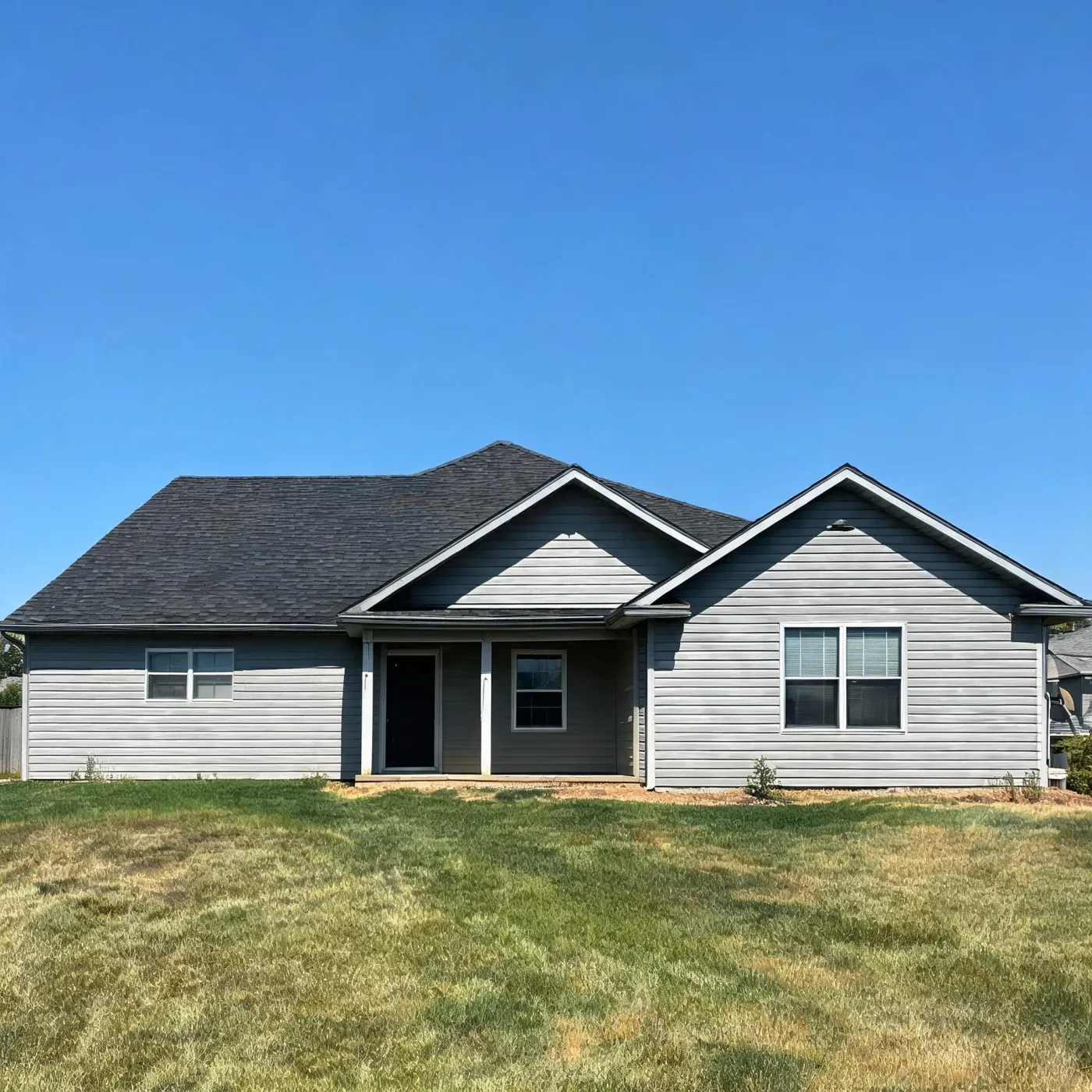
Single-story house with gray horizontal lap siding, dark shingled gable roof, a small covered front porch with a dark door, and windows, set behind a patchy green and brown lawn under a clear blue sky.

A summer dew point averaging 61°F across June, July and August, per NOAA, is the kind of sticky most of the state deals with all summer. That moisture load is what makes a mini split's other side worth something. The same system heating your rooms in winter is also pulling water out of the air in summer, and it does that without cycling on and off the way a furnace-and-AC setup does. You'd notice it less as cold air blasting and more as the room just feeling dry and even. For a system you're counting on year round, that steadier run in summer matters as much as the heat it puts out in January.

NASA POWER T2MDEW county cells weighted by homes

A woman wrapped in a thick beige fleece blanket sits on a sofa with an open book on her lap, beside a lit table lamp, with a frost-covered window behind her.
A gray-haired woman in a cream knit sweater stands in a dimly lit kitchen at night, looking to her right, with a round loaf of bread in the foreground and a dark window and potted plant behind her.

Where the savings come from

Baseboard or resistance heat makes heat by running electricity through wire. A mini split moves existing heat from outside to inside, and it takes less electricity to move heat than to make it. That's why a mini split can put out more heat energy than the power it draws, while straight electric heat caps out at a one to one trade. On a mild day in the 40s, that gap is wide. The colder it gets outside, the harder the outdoor unit works to pull heat out of the air, and the gap narrows.
What decides the real number

Your bill depends on how your house holds heat, how low winter temperatures actually get where you are, and how the mini split gets sized and installed for the rooms it serves. A unit sized for one room won't help the rest of the house. A contractor who checks your layout, your windows, and your current electric use before installing can tell you what to expect in your home, not a stranger's. That conversation, done before the install, is what turns a general answer into your answer.

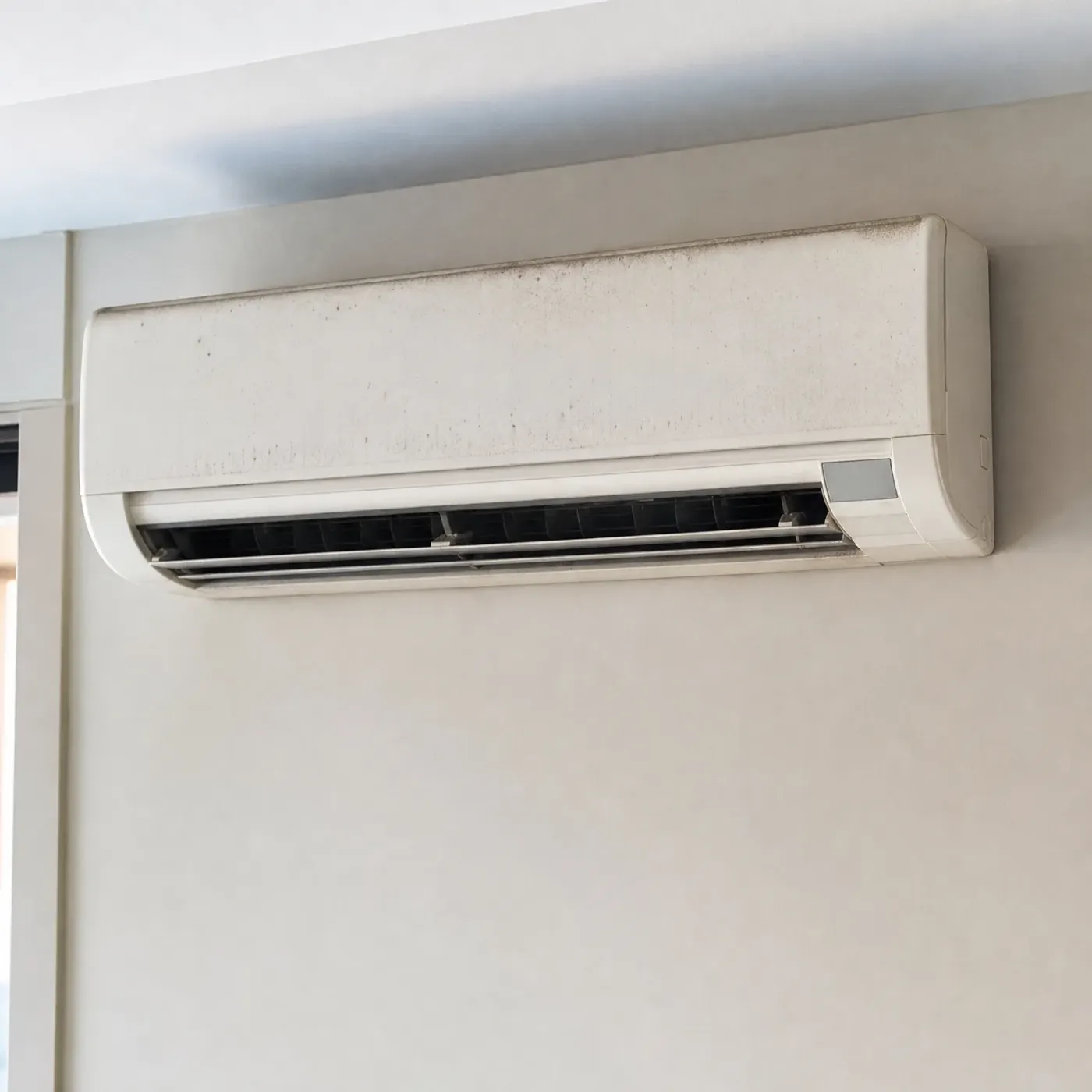
A dusty, stained white wall-mounted mini-split air conditioner indoor unit installed high on a plain off-white interior wall near the ceiling.
Before you get your mini split installation
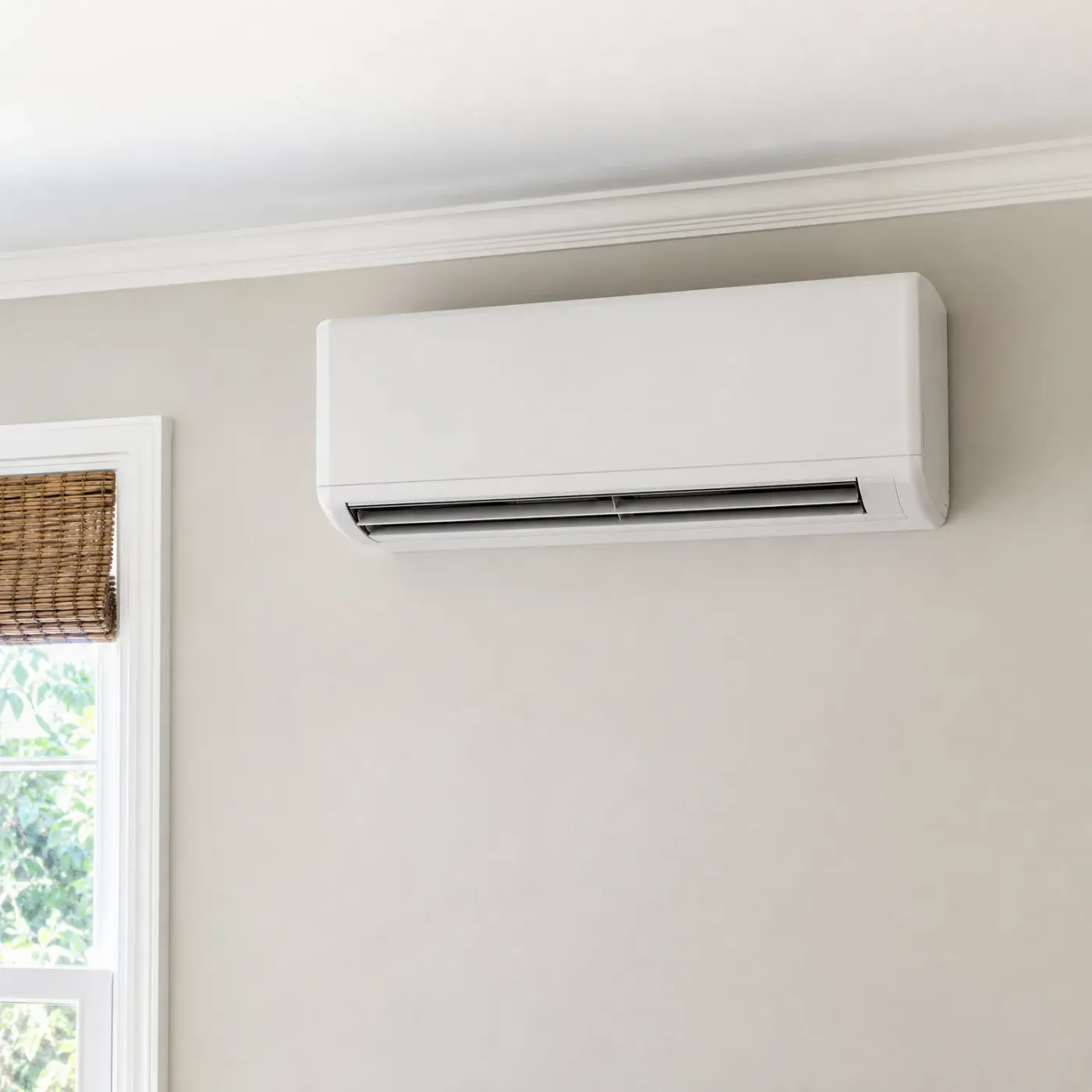
A white wall-mounted mini-split air conditioner unit installed high on a beige interior wall below white crown molding, with a window and woven shade at the left edge showing green foliage outside.
After you get your mini split installation

A local pro for your mini split installation

You already know the heat moves instead of getting made, and that it pays off against electric heat here. What's left is getting a unit sized and installed right, because a mini split that's oversized or undersized for the room won't deliver the savings the equipment is capable of. That means finding a contractor who installs these regularly, not just a general HVAC call. Left on your own, that's a string of calls to companies who may or may not know mini splits well, asking each one the same questions about your home, then trying to judge their quotes against each other with no good way to tell if one number reflects a better job or just a different guess. Handing that off means one contractor who installs mini splits reaches out to you directly, already knowing what you're asking for. You still have the electric heat running today, the sizing question still matters, and the rooms you want heated for less still need a system put in correctly. Getting that matched now is what moves you from wondering about savings to actually seeing them.

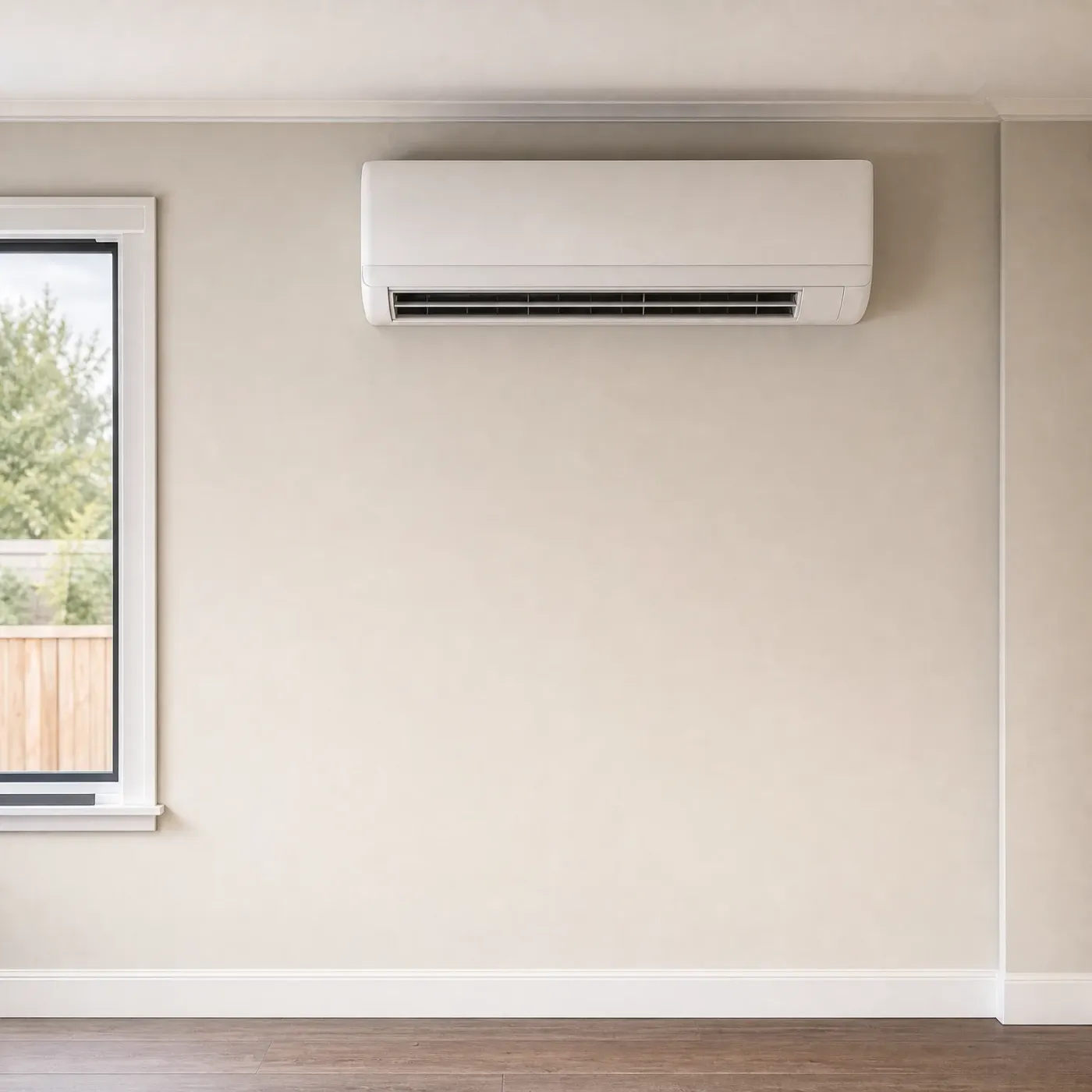
A white wall-mounted mini-split air conditioner on a beige interior wall, with a window at left showing trees and a wooden fence, and dark wood flooring below.

Running right

A mini split sized for the room holds its temperature without straining. The outdoor unit cycles on and off as needed, the indoor head moves air quietly, and the room stays even from the window to the far wall. This is what steady output looks like, winter or summer.

A white wall-mounted mini-split air conditioner indoor unit with dark louvered vents, installed near the ceiling on a beige wall below white crown molding.

Losing efficiency

Dust on the coils and a clogged filter make the unit work harder to move the same amount of heat. Airflow drops, the compressor runs longer to hit the thermostat setting, and the electricity it takes to heat the room creeps up even though nothing about the house changed.

What is your current heating setup actually costing you

If you're heating with baseboard or wall-mounted resistance units now, watch what happens when it's 20 degrees outside: the heat runs almost constantly and the rooms farthest from the thermostat still feel cooler than the one it's in. You might notice certain rooms you just stop using in January because heating them evenly isn't worth the bill. That's resistance heat working exactly as designed, making every bit of warmth from electricity instead of moving heat that's already there. It's not a sign anything's broken. It's a sign the system itself is working against you every time the temperature drops.

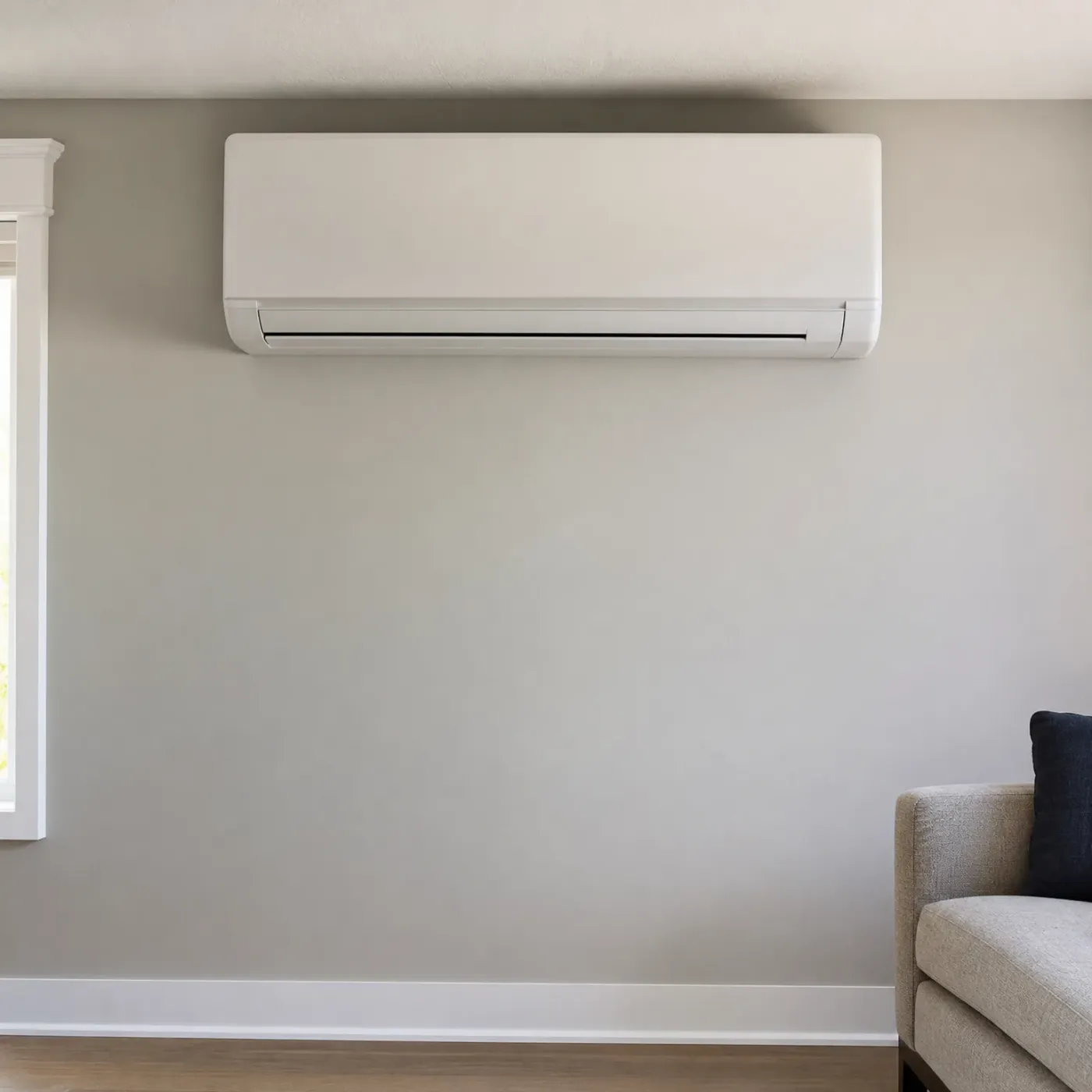
A white wall-mounted mini-split indoor unit installed high on a gray interior wall, with a window at left and part of a light gray sofa with a dark cushion at lower right.

Clean and clear

The vents sit open and the casing is free of buildup. Air moves through without resistance, so the head puts out what the thermostat is asking for. This is what lets it heat a room on less electricity than baseboard.

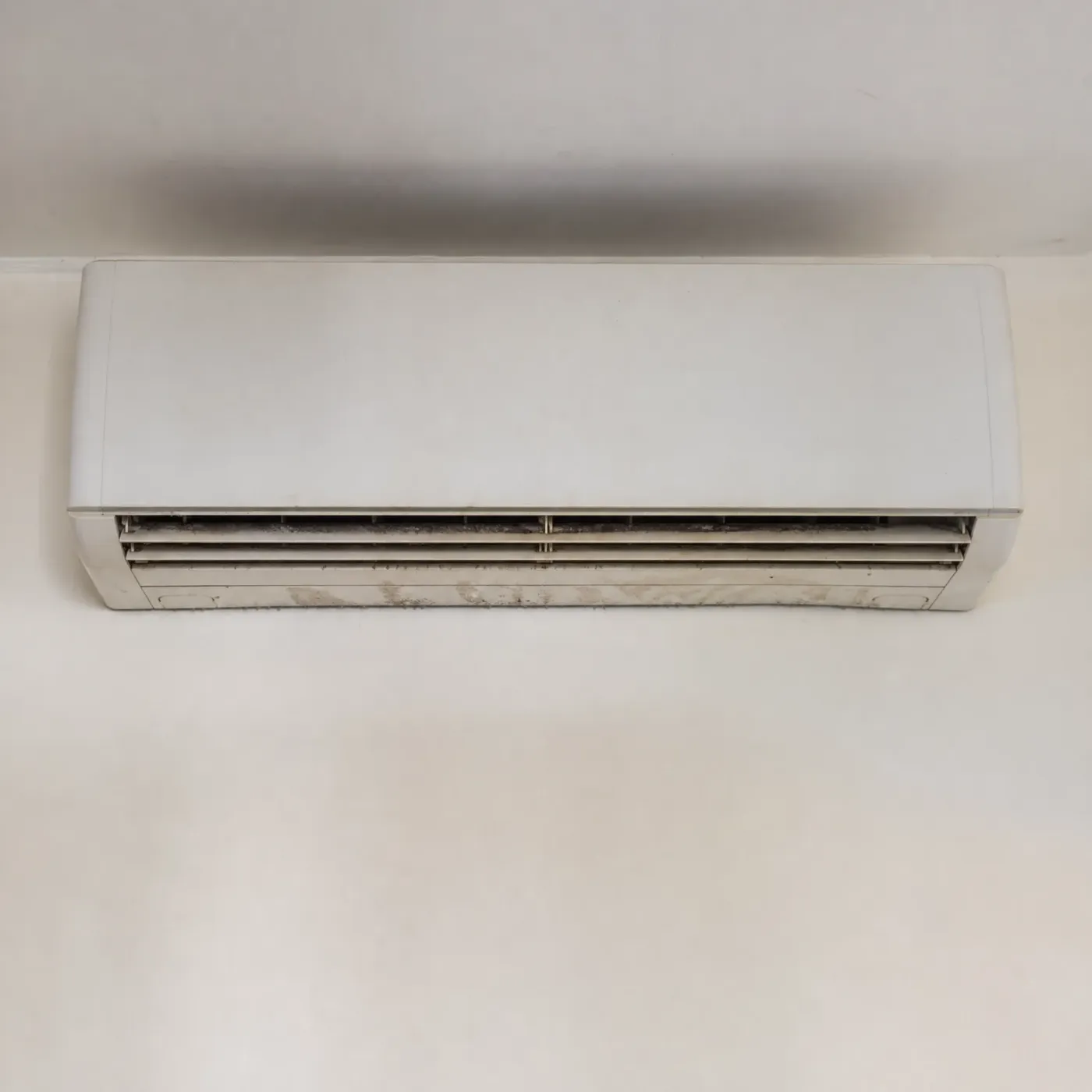
A white wall-mounted mini-split air conditioner indoor unit with visible dust and staining along its lower vent, installed on a plain pale wall.

Dirt working against it

Grime and mold along the vents and lower casing block airflow before it ever reaches the room. The unit still runs, but it works harder to put out less heat, and that shows up on the bill.

A man seen from behind raises his hand to wave at a woman standing in the open front doorway of a single-story house with gray shingle siding, white columns and a gabled porch entry.

What this looks like in your house

If you're heating with baseboard now, you probably already have a room or two that never quite gets warm enough, no matter how high you turn the dial. A mini split head aimed at that room heats it directly instead of waiting for heat to travel along a baseboard. You'd notice the difference on the first cold morning: the room holds its temperature instead of drifting down between cycles.

Getting there means someone has to look at your house specifically. How many heads you need, where the outdoor unit goes, what size each room calls for. That's not something you figure out from a search result. When you tell this page about your setup, you're matched with a contractor who handles mini splits in West Virginia, and they reach out to you directly. No calling around to three companies and repeating the same details about your baseboard and your square footage to each one.

A living room corner with a beige upholstered armchair holding navy and striped cushions, a small round wooden side table with a carved bowl and a potted green plant, a framed landscape picture on a pale wall, built-in shelving, and a curtained window.
A gray-haired bearded man in a dark coat and scarf dusted with snow stands smiling in a dimly lit entryway with a white front door, a side table with a lit lamp, an oval mirror, and a patterned rug.
An older bearded man in a dark snow-dusted coat and gray scarf stands just inside a dimly lit home entry, with a framed picture, lit table lamp, and an adjoining room with a fireplace behind him, and snow visible through the open door.
A gray-haired, bearded man in a dark snow-dusted coat stands smiling in a dimly lit entry hall with a staircase, a lit table lamp, a framed picture, and a living room visible through a doorway.
An older man with gray hair and a beard, wearing a dark jacket dusted with snow, stands smiling in a dimly lit hallway with lamps and a living room visible behind him.
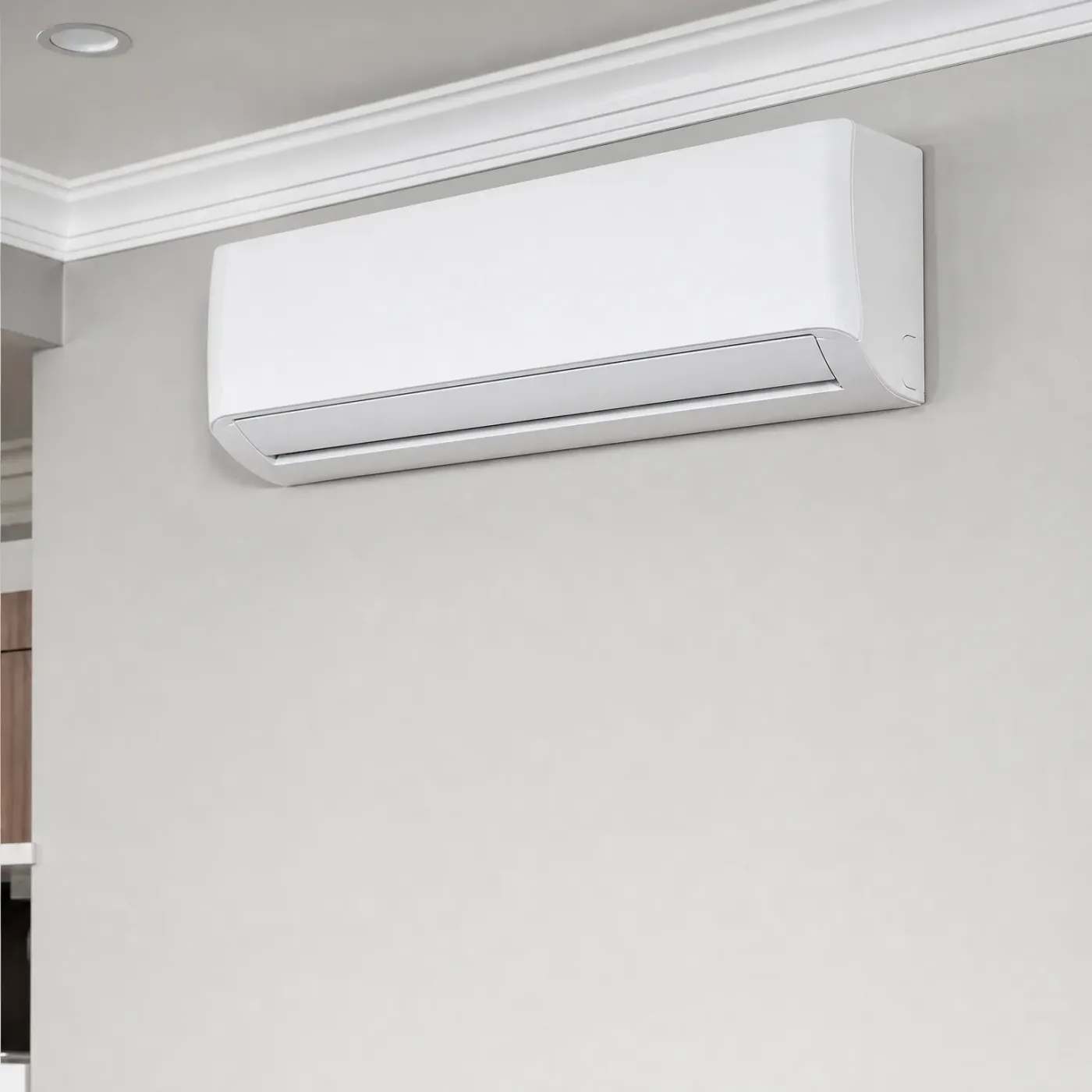
A white wall-mounted mini-split air conditioner installed high on a light gray interior wall below a white crown molding and ceiling with a recessed light.
A clean mini split like this one still has the coil and filter clear, so it's pulling the amount of heat out of the cold outside air that the specs promise.
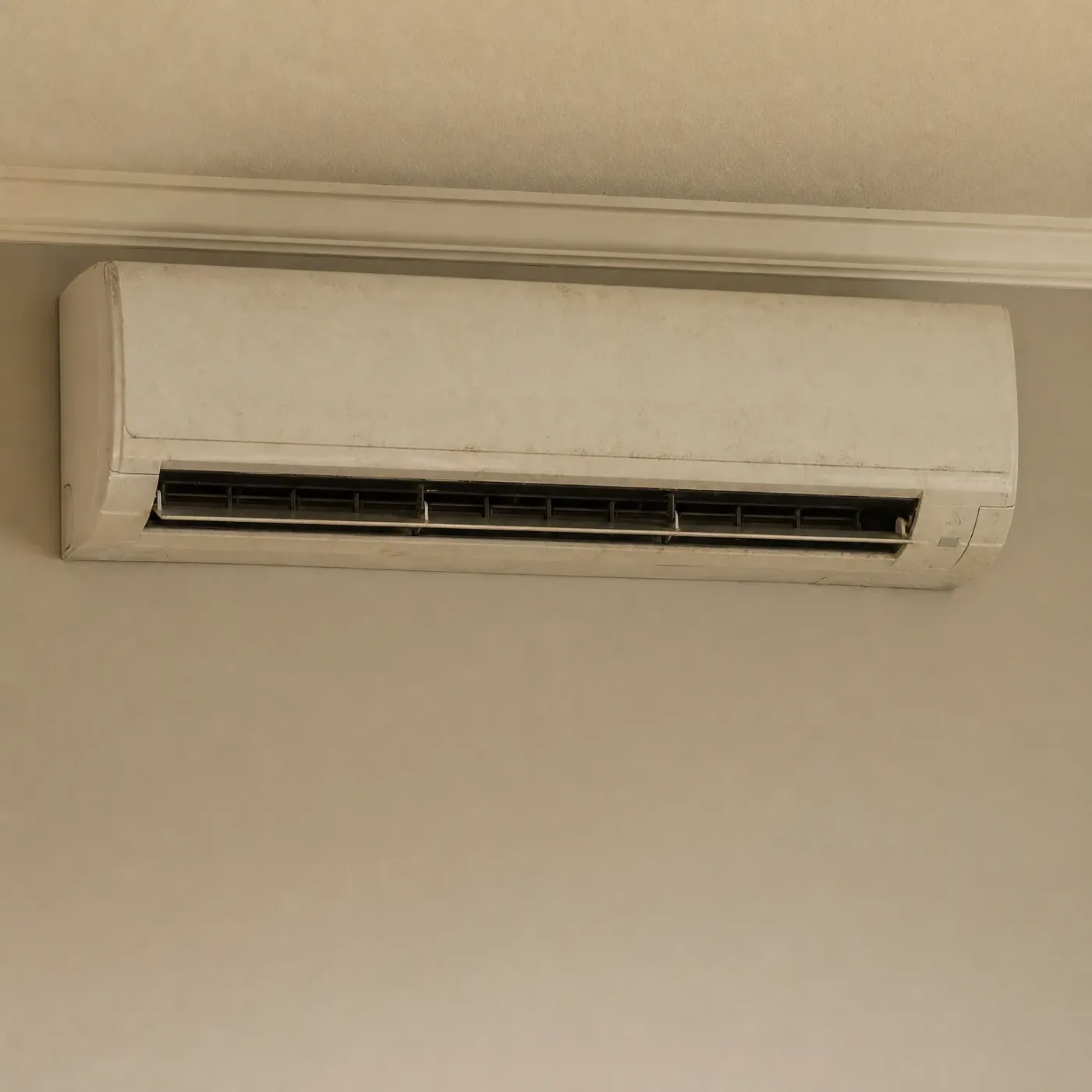
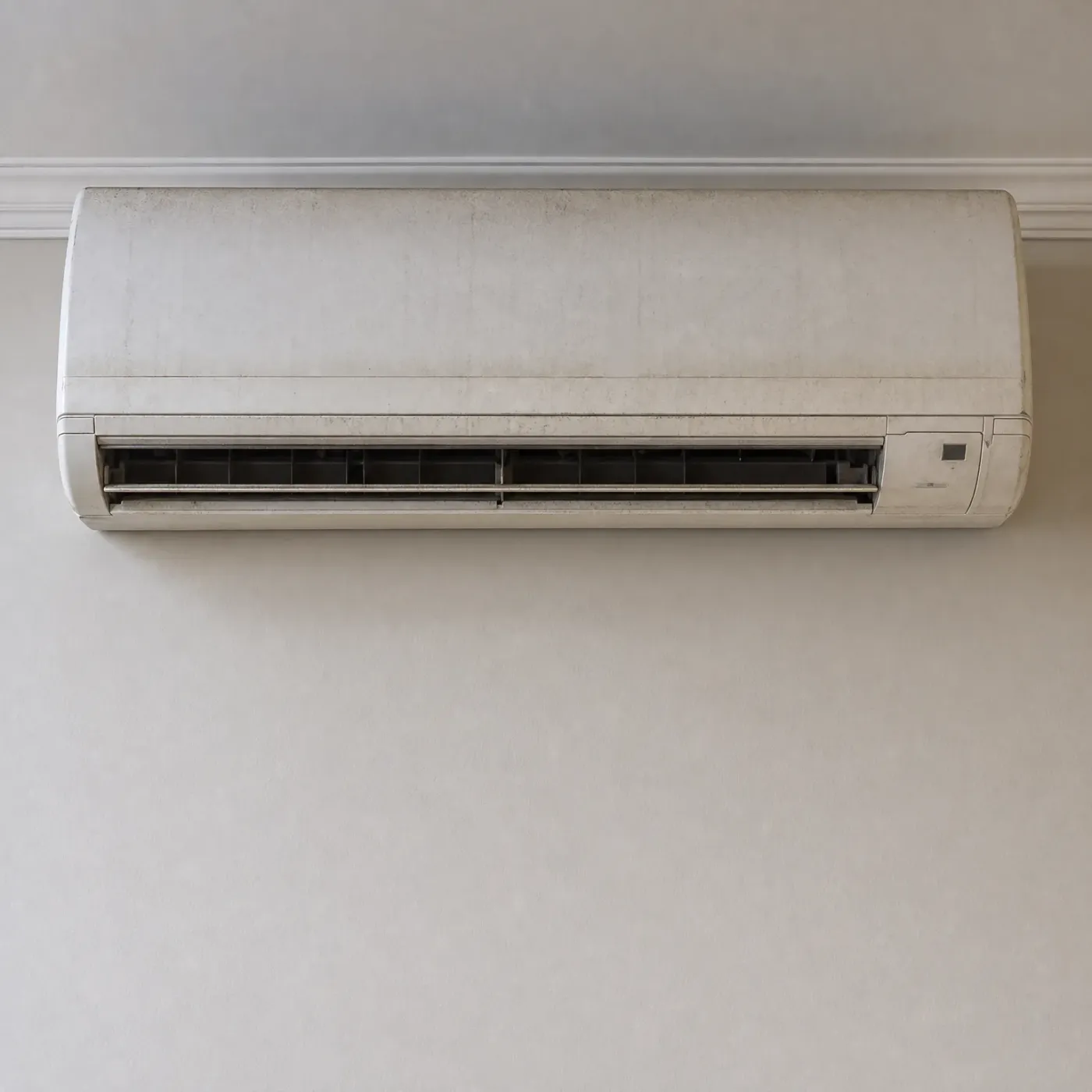
A dusty, discolored white wall-mounted mini-split air conditioner unit installed on a plain beige interior wall below a molding strip.
A unit left dusty and discolored like this has to run longer to push out the same heat, eating into whatever you'd save over baseboard.

Power costs 15.39 cents per kilowatt-hour statewide

At 15.39 cents a kilowatt-hour, every unit of heat your mini split moves instead of makes is worth more to your bill than it would be somewhere with cheaper power. That's the math that favors swapping out baseboard here.

EIA-861 2025 statewide residential average

What this comes down to

  • A mini split lowers your heating bill if it's replacing baseboard or wall-mounted resistance heat.
  • The savings come from moving heat with electricity instead of making heat with electricity, not from any feature of the thermostat.
  • At 15.39 cents a kilowatt-hour, every unit of heat moved instead of made is worth more over a West Virginia winter.
  • Sizing and installation decide whether that math shows up on your actual bill.
  • A dirty coil or filter cuts into the savings before you ever see them.
  • The same unit handles the sticky summers here, so the payoff isn't limited to winter months.

A mini split costs less to run than baseboard or wall-mounted resistance heat in West Virginia, because it moves heat instead of making it, and that holds at 15.39 cents a kilowatt-hour same as it would anywhere else. That's the answer. Whether it shows up on your bill depends on things that have nothing to do with the thermostat or the weather: whether the unit is sized right for the room, whether it was installed to hold its charge and its airflow, and whether the coil and filter stay clean enough to pull the heat out of the air the way the specs say it can. Get those right and the savings are there every month you run it, winter for the heat, summer for the humidity this state is known for. Get them wrong and you're paying more to run a mini split than you were paying for baseboard, and no amount of checking the math will fix a unit that was never set up to hit it.

None of that is something you work out by reading reviews or guessing at a size online. It's a sizing calculation for your specific rooms and a licensed install to go with it. Getting there usually means calling around to a handful of contractors, explaining the same job to each one, and sorting through quotes that aren't quite comparable. That part is what this page skips. You get matched with a contractor who handles mini split installs in West Virginia, and they reach out to you.

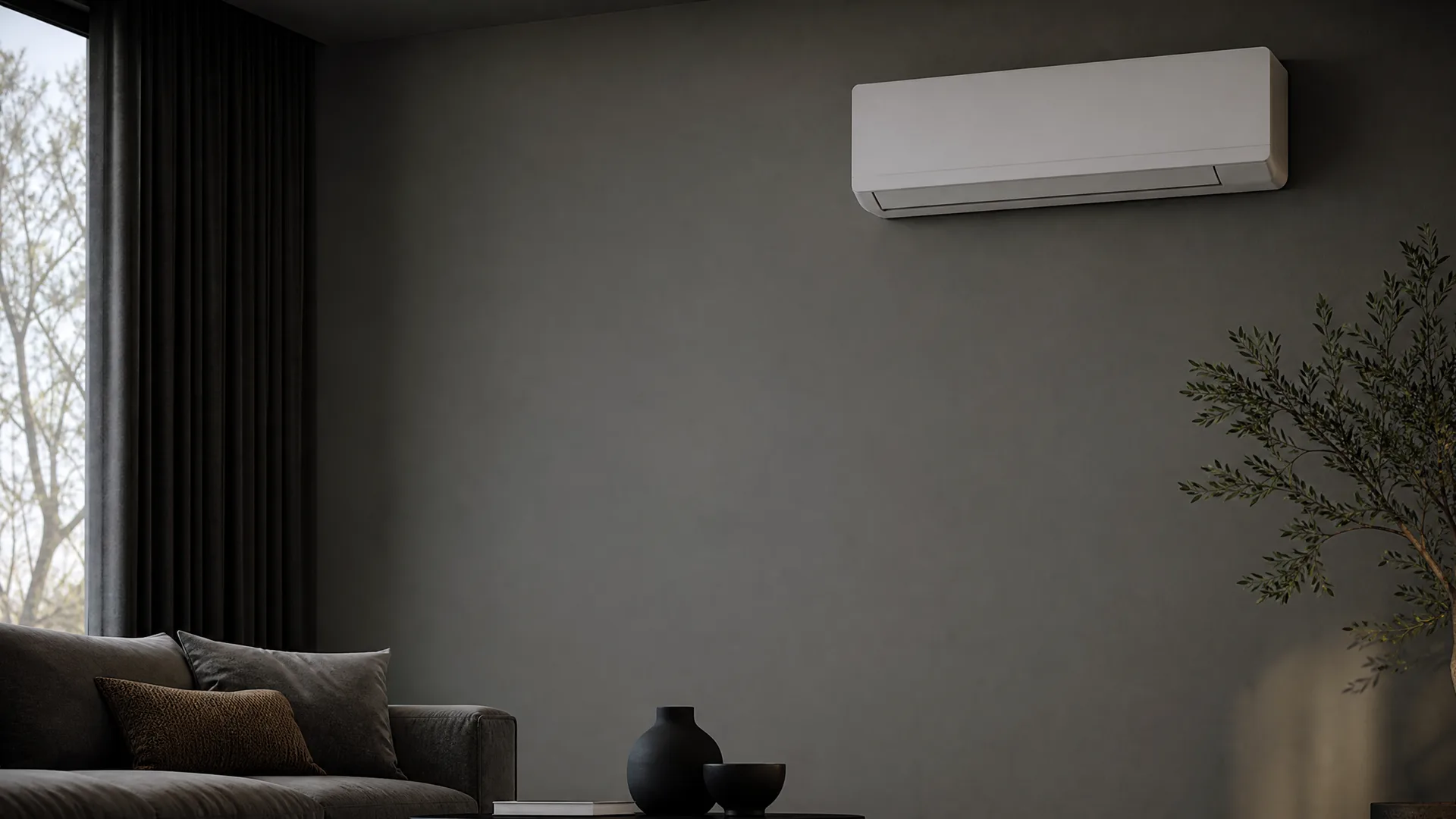
A white wall-mounted mini-split air conditioner on a dark gray interior wall above a gray sofa, with a window and curtain at left, a potted olive-like plant at right, and a black vase and bowl on a table in the foreground.

Get the right pro for your mini split

Explain the job once and skip repeating it on every call.

Step 1 of 3: Equipment