Can a mini split heat a basement in a West Virginia winter

A white wall-mounted mini-split air conditioner indoor unit centered against a plain light gray background.
Get a mini split pro

Can a mini split heat a basement in a West Virginia winter

A basement stays colder than the rest of the house, and West Virginia winters push a furnace or baseboard heat hard already. Before putting a mini split down there, you want to know if it can actually keep the space warm once temperatures drop into the teens and twenties, or if it will struggle and leave the basement cold anyway.

Yes, if it's sized and installed for your basement

A mini split heats a basement the same way it heats any room, by moving heat from outside air into the space rather than burning fuel to make it. Modern heat pumps still pull usable heat from outdoor air well below freezing, which matters here since West Virginia winters regularly sit in that range. The part that decides whether it works is sizing. A basement with poor insulation or a lot of exposed concrete loses heat faster than an upstairs room, so a unit picked for square footage alone can fall short on the coldest nights. An installer who measures the basement's actual heat loss, not just its floor area, can size a unit that keeps up. Since most homes here already heat with electricity, running a mini split alongside the rest of the house doesn't change how the utility bills you.

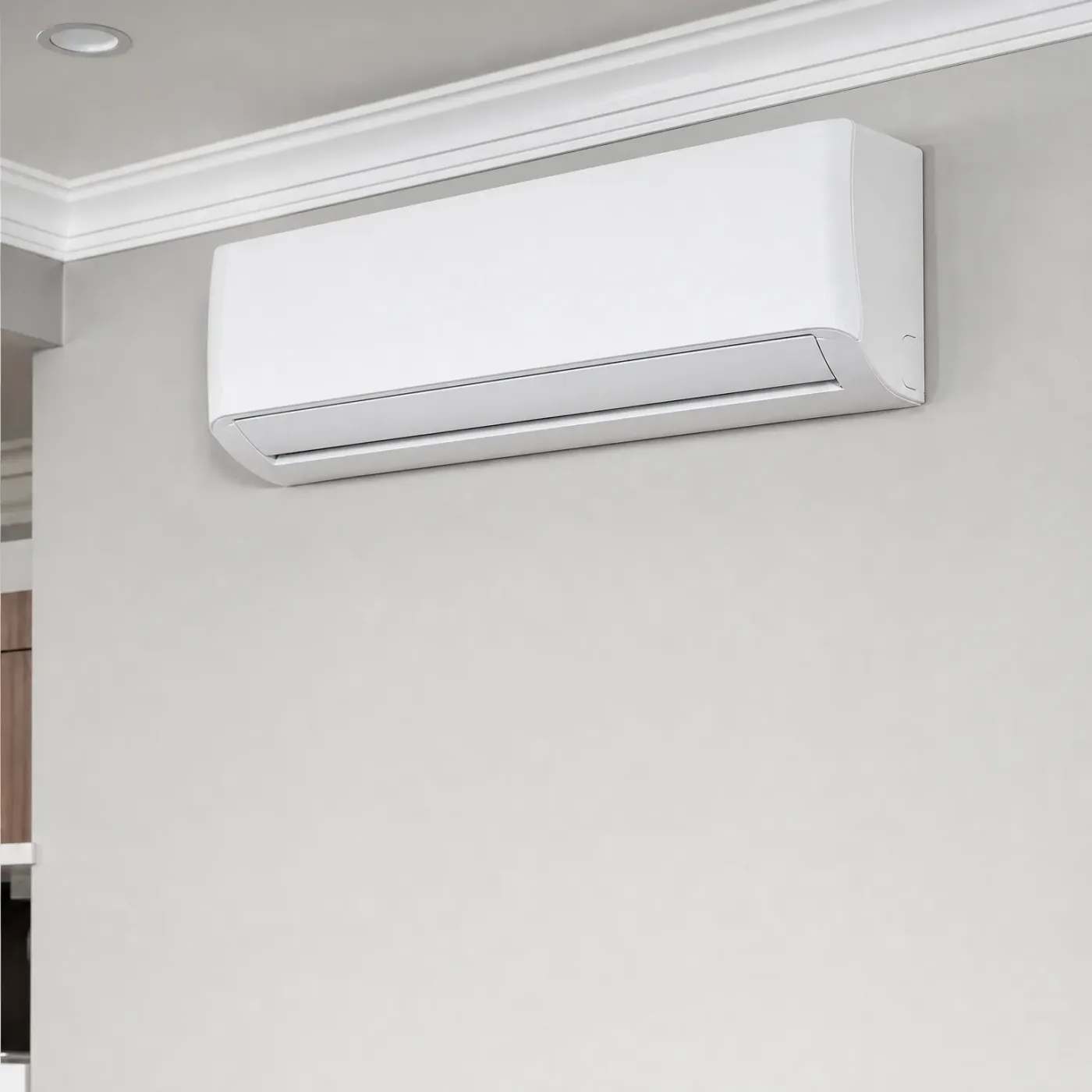
A white wall-mounted mini-split air conditioner installed high on a light gray interior wall below a white crown molding and ceiling with a recessed light.

Sized right for the basement

A mini split matched to the basement's square footage keeps up on the coldest days, cycling on and off instead of running flat out. The wall unit pulls cold air in and sends out heat steadily, no cold corners, no drop when the temperature outside falls into the teens.
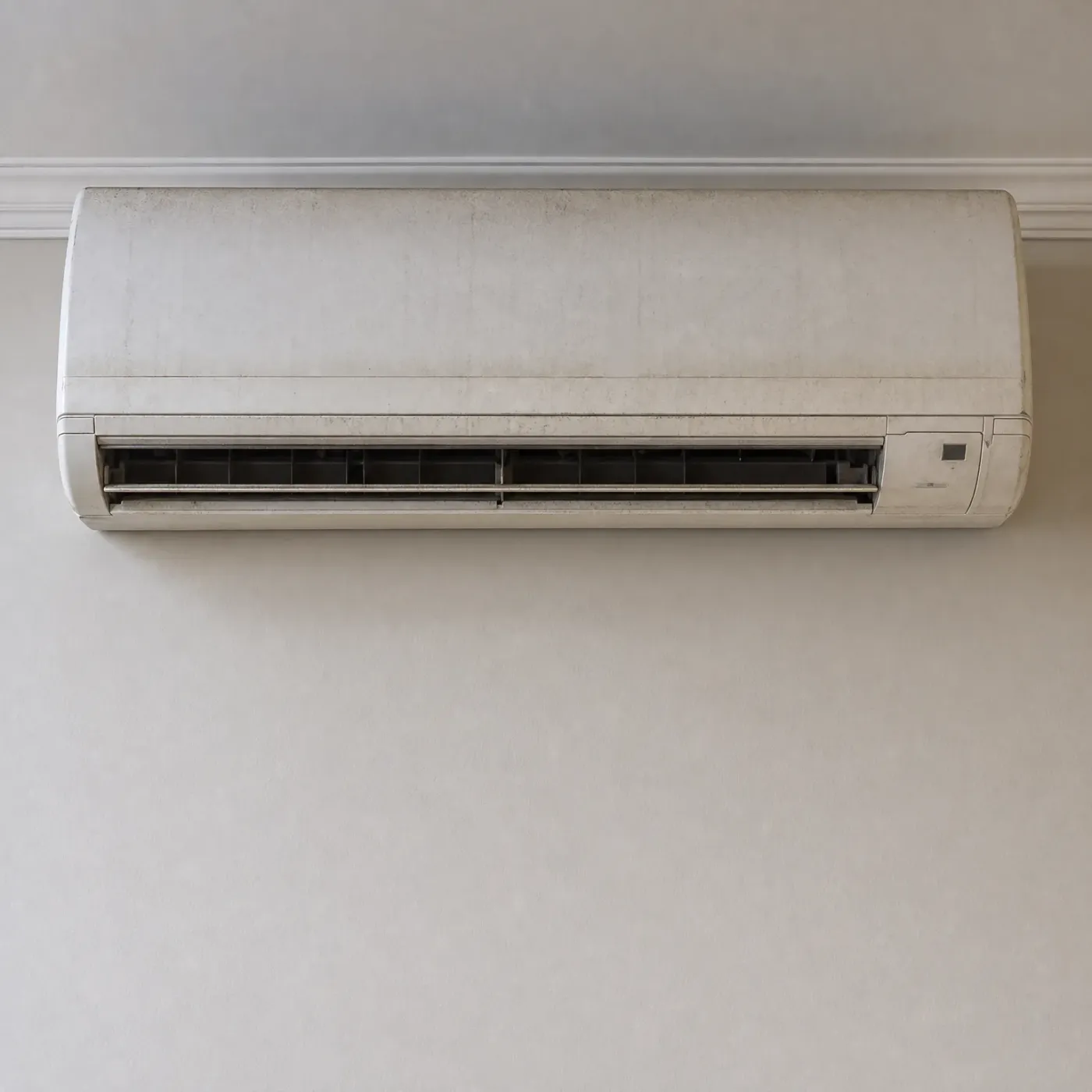
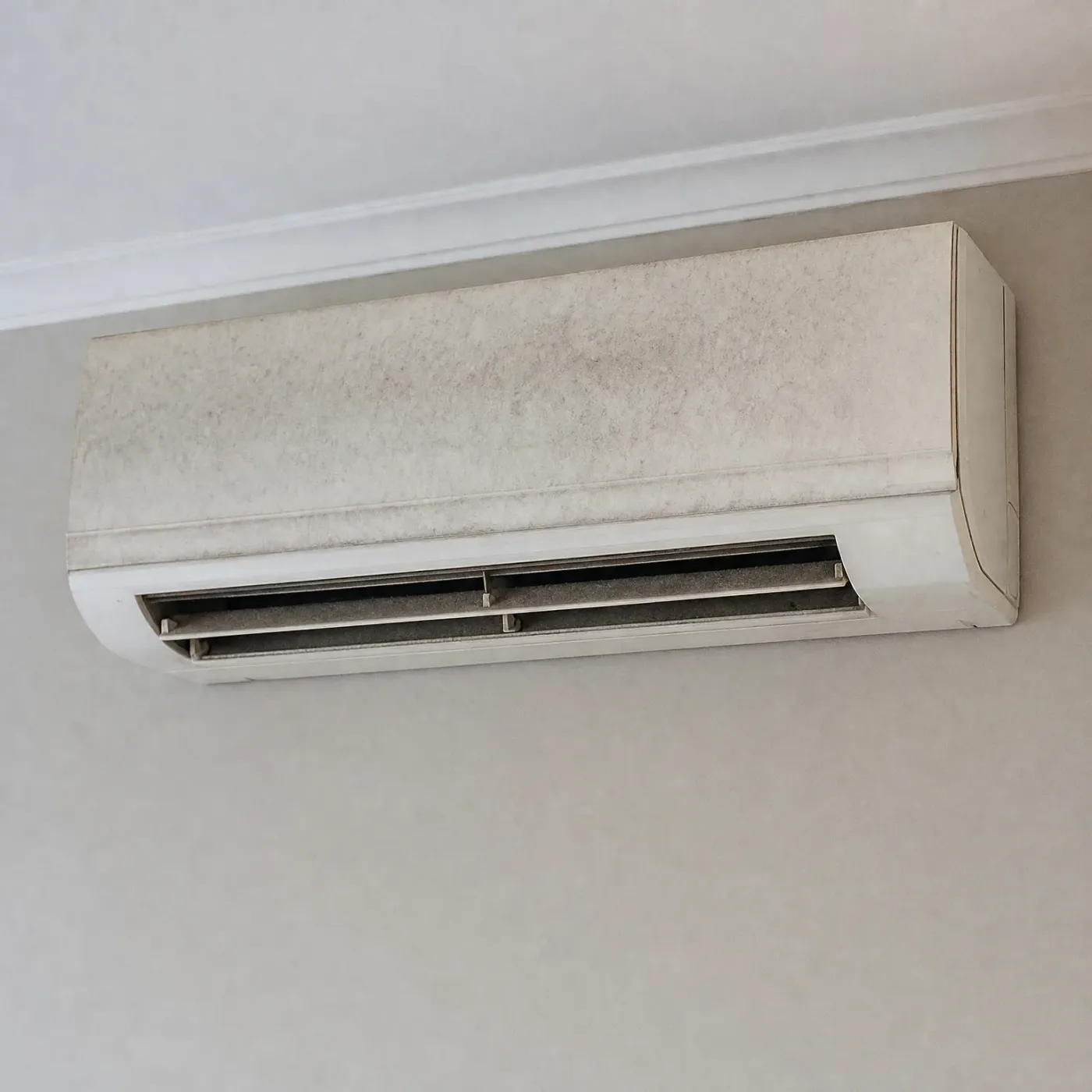
A dusty, discolored white wall-mounted mini-split air conditioner unit installed on a plain beige interior wall below a molding strip.

Sized wrong, or aging

A unit that's too small for the space runs constantly and still can't hold the basement at temperature once it's below freezing outside. Dust built up on the casing and vents cuts airflow further, and an older unit losing efficiency will struggle the same way even on a mild day.

Right Fit or Wrong Fit for Your Basement

Right for the basement

  • A unit sized to the square footage and the basement's insulation can hold temperature through a January cold snap without running constantly.
  • Ductless heat means no duct runs to add through a finished ceiling or around existing plumbing and wiring down there.
  • The outdoor unit sits against the foundation wall or on a pad outside, so nothing inside the basement takes up floor space beyond the wall unit itself.
  • A basement that's finished and used as a bedroom or den holds heat differently than one left open and unfinished, which changes what size unit it needs.
  • Electric heat in the rest of the house means a mini split in the basement runs on the same fuel the rest of the home already uses.
  • Below-grade walls stay cooler than the rooms above, so the unit has to account for that when the contractor sizes it.

Where it falls short

  • A basement with low ceilings or an odd layout can leave the wall unit blowing heat into one end while the other end stays cold.
  • If the basement has no door separating it from an unheated crawlspace or garage, cold air pulls the heat down faster than the unit can replace it.
  • A unit sized for the square footage on paper can still underperform if the basement has more concrete exposed to the frost line than a typical room.
  • West Virginia's coldest nights can push outdoor temperatures low enough that an undersized or older mini split loses capacity right when it's needed most.
  • A finished basement with a bathroom or wet bar adds humidity the unit also has to manage, on top of just keeping the space warm.
  • Without a backup heat source, a mini split alone in the basement leaves nothing to fall back on if the unit needs service mid-winter.
A two-story cream-colored house with horizontal siding and a gray hipped roof, flanked by large green trees and shrubs, with a concrete walkway crossing a lawn to a wet street in the foreground.

The basement heat is one side of this. The other is how your mini split handles summer. West Virginia summers run a dew point of 61°F, which sits on the muggy side. A mini split doesn't just cool the air, it pulls that moisture out as it runs, which is why the basement feels dry and comfortable instead of damp even when it's sticky outside. If the unit is sized right, you'll notice it cycling steadily through the heavy months rather than running nonstop and still leaving the air feeling thick. Source: NOAA climate normals.

NASA POWER T2MDEW county cells weighted by homes

A dusty, discolored white wall-mounted mini-split air conditioner unit installed high on a plain interior wall below a white ceiling molding.
Before you get your mini split installation
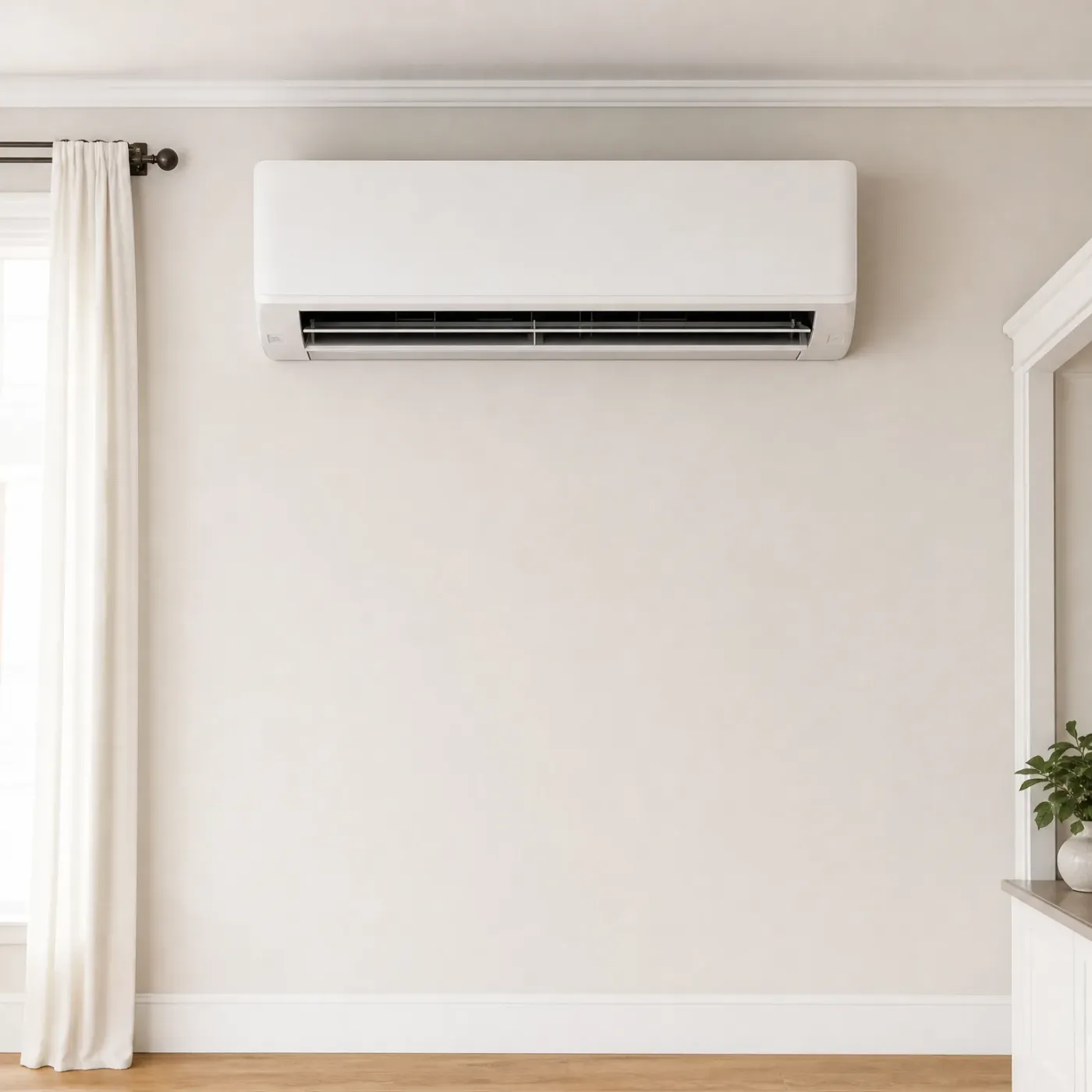
A white wall-mounted mini-split air conditioner on a beige interior wall, with a cream curtain and window at left, a potted plant on a ledge at right, and a wood floor below.
After you get your mini split installation

Get the right pro for your mini split

A basement mini split has to earn its keep through a whole West Virginia winter, not just the mild stretches. Getting the sizing and placement wrong means a unit that runs constantly and still leaves the basement cold, and that's not something you want to find out in January. An installer who's put these in other basements around the state knows how to size the unit to the space and where to mount it so the heat actually reaches the corners instead of stacking up near the ceiling. Most homes here already run on electric heat, so adding a mini split doesn't mean learning a new fuel or a new bill structure, just getting the unit matched to the room correctly. You've already got the equipment question answered. What's left is getting someone qualified to look at your basement specifically and get the installation right the first time, so the work is done and you're not revisiting it.

Can It Keep Up Down There

  • A mini split sized to the basement's square footage and insulation can hold its own through a West Virginia winter.
  • Cold air pulled in low and heat sent out steadily means no corner of the basement runs behind the rest of the house.
  • Getting the size or the placement wrong is what leads to a unit that runs nonstop and still can't keep the basement warm.
  • The same unit that heats the basement in January handles the muggy months too, since it pulls moisture out as it cools.
  • No duct runs to cut through a finished ceiling or route around pipes already in place.
  • Matching the unit to the room, not just the house, is what decides whether it keeps up on the coldest days.

A mini split can heat a West Virginia basement through the winter, but only if it's sized for that specific room. The basement has its own square footage, its own insulation, maybe a concrete wall or two the rest of the house doesn't have, and a unit picked for the house in general won't necessarily cover it. Picked correctly, it pulls in the cold air sitting low in the room and pushes out heat steadily enough that the far corner doesn't lag behind the rest of the space. Picked wrong, you get a unit that runs nonstop through January and still leaves the basement colder than upstairs, which is the outcome you're trying to avoid in the first place. There's no ductwork to route around a finished ceiling or existing pipes, since the unit handles the room directly rather than pushing air through a system built for the floors above. And the same equipment that gets the basement through a cold snap is already doing double duty come summer, pulling moisture out of the air as it cools, which matters in a state where the air gets sticky for months at a time. The sizing question isn't about the house's total square footage. It's about this one room, its walls, and what it needs to hold steady when the temperature outside drops and stays down.

An older man with gray hair and a beard, wearing a dark coat dusted with snow, stands smiling in a doorway of a warmly lit home with a sofa, lamp and window visible behind him.
An older man with grey hair and a beard, wearing a dark coat dusted with snow, stands in a dimly lit entryway with a ceiling lamp, a side table with two shaded lamps, and a lit fireplace visible in a room beyond.
A bearded older man in a dark snow-dusted coat and scarf stands just inside a home's front door, with a lamp-lit room and snowy window visible behind him.
An older man with gray hair and a beard stands in a doorway of a home, wearing a dark coat dusted with snow, with a lit fireplace and lamp visible in the blurred room behind him.

Mini Split Installation

A pro who works on mini splits

Send the form and the search for an installer is over.

A black-framed smartphone standing upright against a plain light gray background, its screen filled with solid green.
Step 1 of 3: Equipment