Can a mini split be your only heat in West Virginia
Send the form and stop researching installers for the new mini split.
A mini split can heat a West Virginia home through the winter. Whether it should be the only source depends on how cold your coldest stretch gets and how the unit was sized, because a system sized for summer cooling alone can fall short when the temperature drops into the teens or lower.
Most homes here already heat with electricity, so you are not comparing a mini split against gas. You are comparing it against baseboard heaters or an old electric furnace, and a properly sized mini split, especially a cold-climate model, tends to beat both on comfort and on what it pulls from the meter.
Summers here get sticky, and that part of the job is easy for a mini split. Winter is where sizing and placement decide whether one unit covers the house or whether you need a second head in a back bedroom or a finished basement. That is a question worth answering before the ductwork, or lack of it, becomes a problem you find out about in January.
This is where a contractor who installs these systems regularly in this state matters. Someone who works on mini splits every season here knows which brands hold their heat output in a hard freeze and which ones start struggling once it's below freezing outside. They can look at your square footage, your layout and your windows and tell you straight whether one unit does the whole job or whether you need to add a second.
Send the request and that search becomes someone else's job instead of yours. You get matched with one local, licensed contractor, not a handful of companies competing for your callback, so you can talk through your actual house once and get an answer instead of fielding five sales pitches. That's the part that lifts off your plate once the form goes in.
A mini split can work as your only heat in West Virginia, but most homes here still lean on it alongside something else when the real cold hits. The reason is simple. A mini split pulls heat from outside air, and as the outside temperature drops, there's less heat out there to pull. Older or lower-end units start losing capacity somewhere in the teens and twenties, right when you need them most. A properly sized cold-climate mini split can keep producing heat well below that, but sizing is everything. One picked for your square footage in July won't necessarily cover a January night. Since most homes in this state already heat with electricity, running a mini split as the main source isn't unusual, but it only works if the unit and the install were matched to your coldest days, not just your average ones.
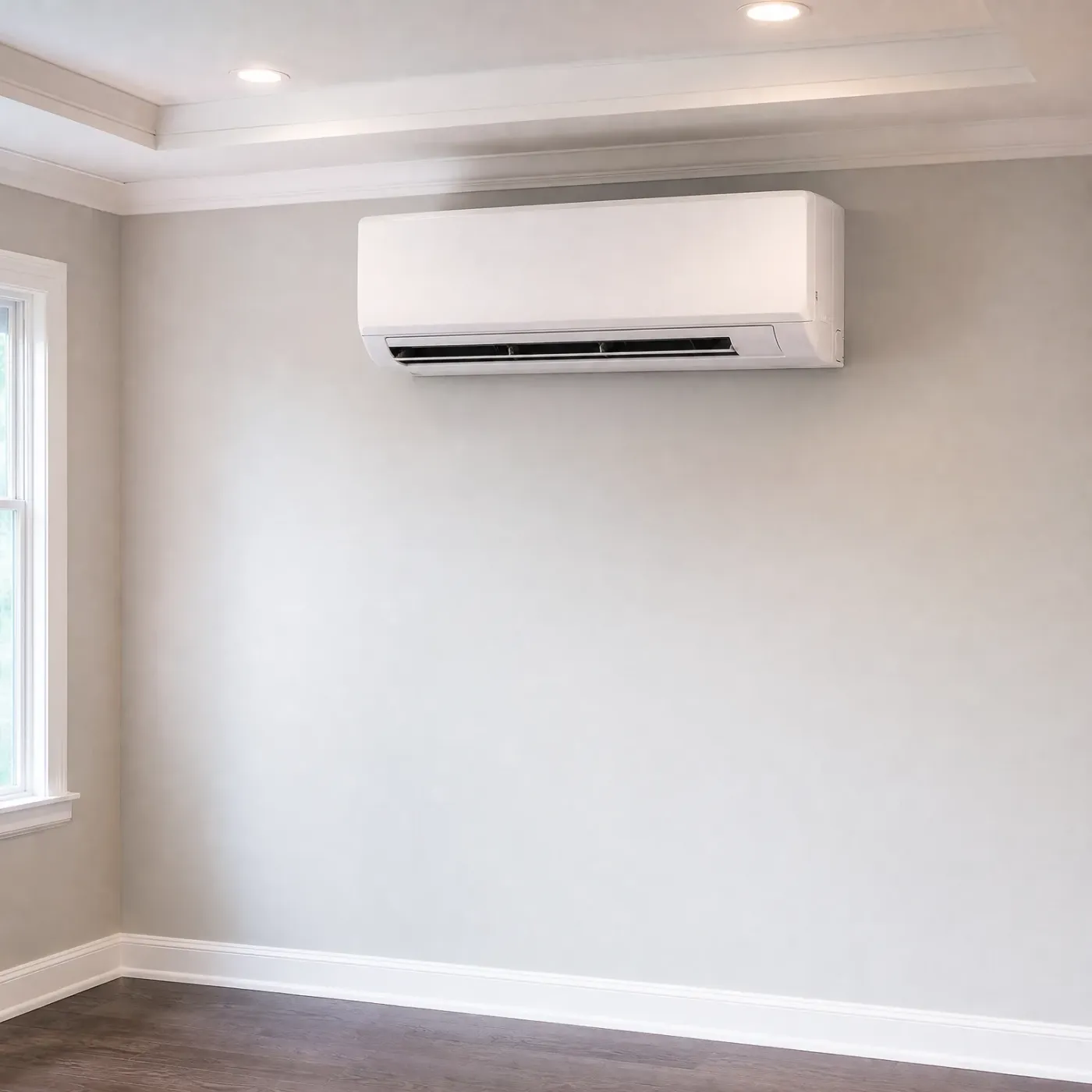
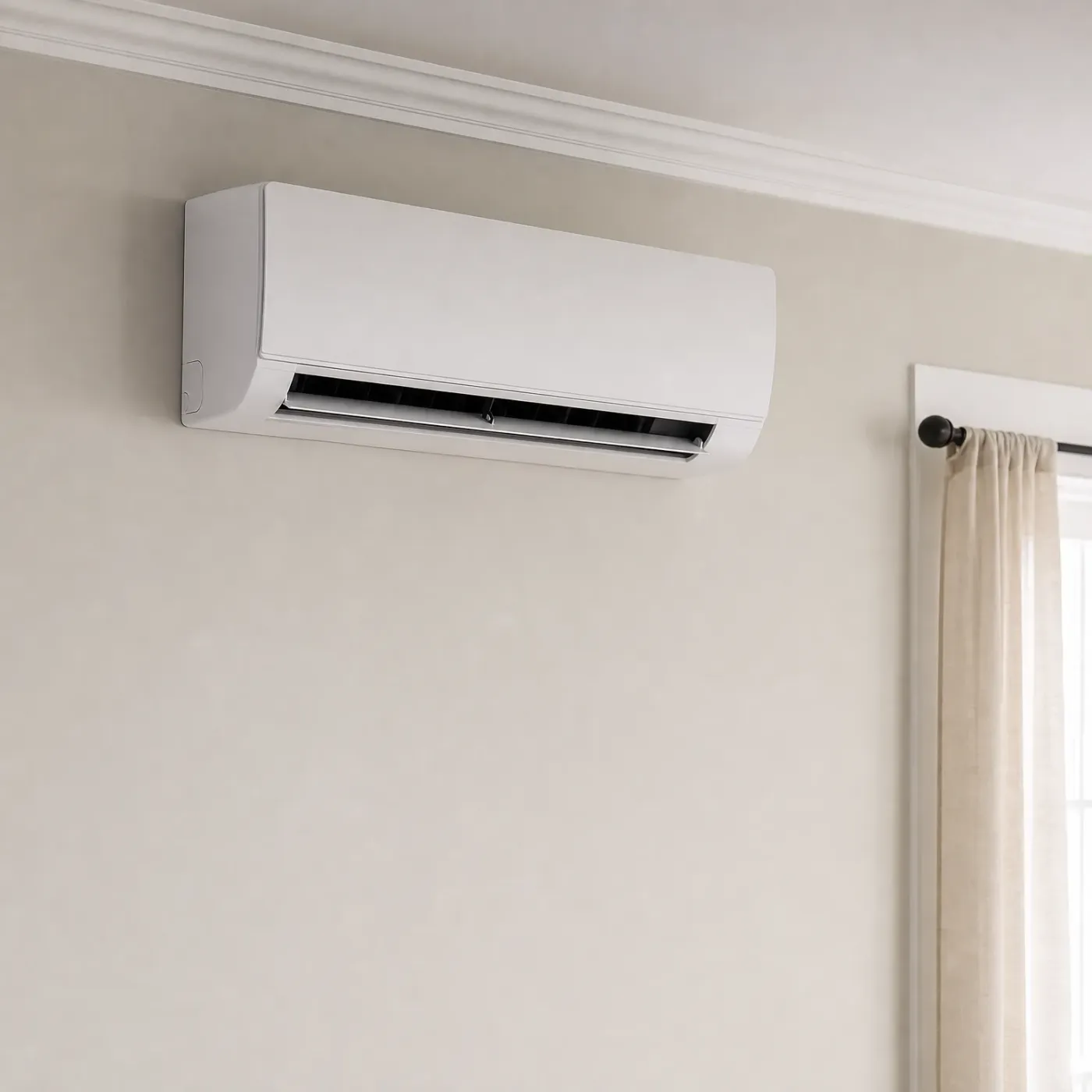
Running right, down to 5 degrees or so
A properly sized cold-climate mini split keeps pulling heat from the outside air well below freezing. If it's matched to your home and set up correctly, it should hold the room without help, even on a hard January night.
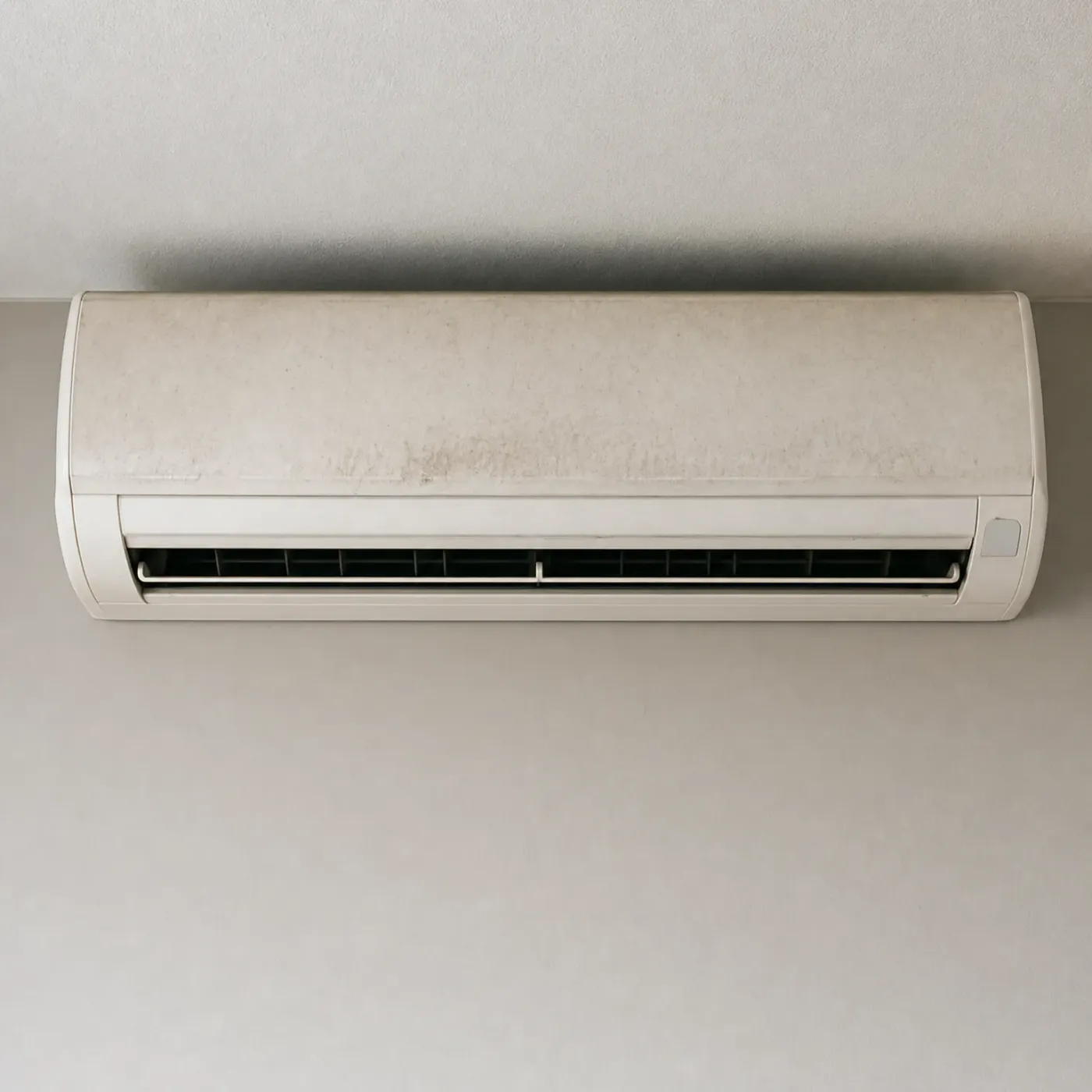
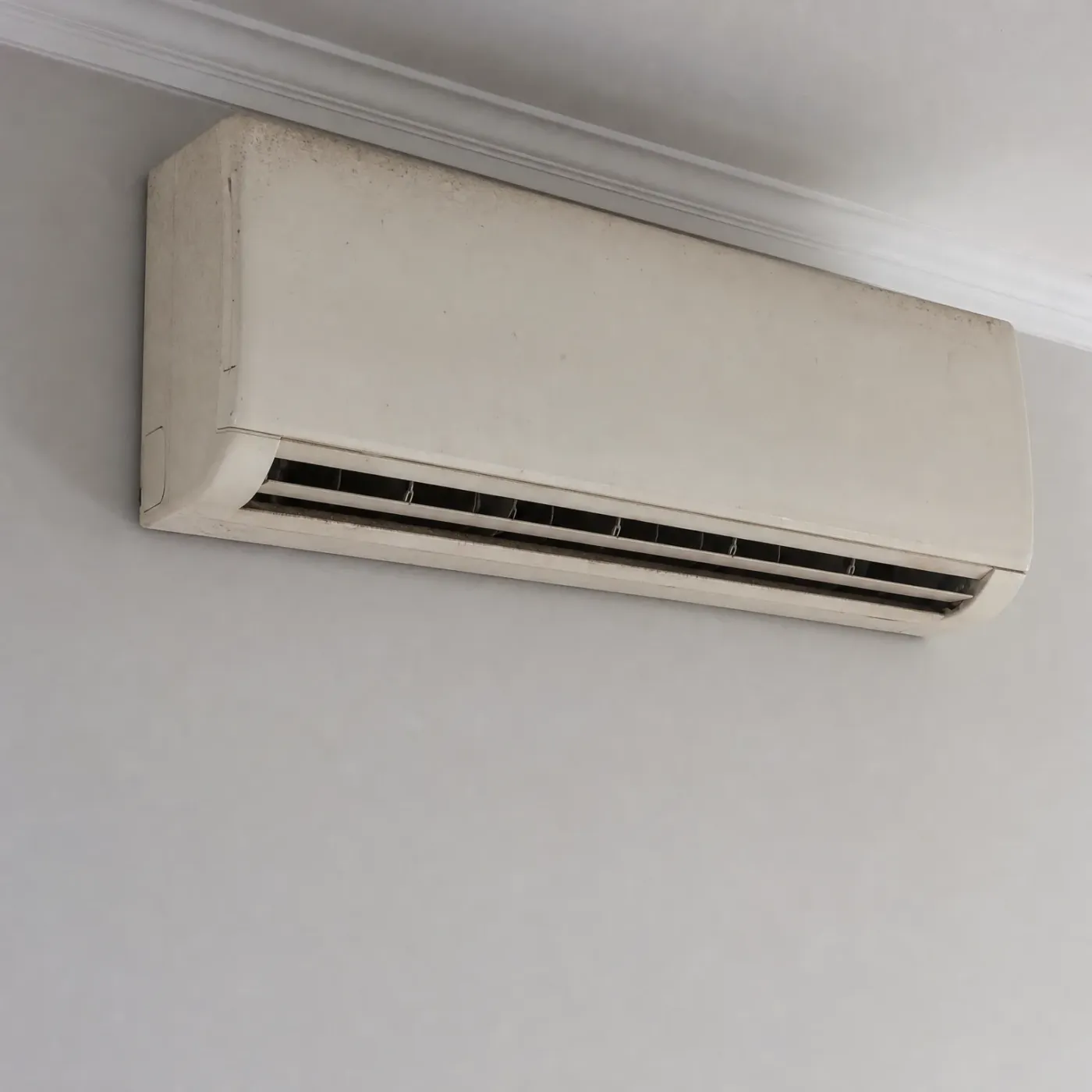
Struggling, and showing it
Dust on top and dark residue around the vents mean the coil underneath isn't moving air the way it should. A unit working that hard to keep up is one a lot of homeowners decide needs backup heat, or a second look from someone who installs these for a living.
Mini split alone or with backup heat
Mini split alone
A cold-climate model rated for low temperatures can still make heat when the air outside is near zero, but its output drops as the thermometer falls.
On the coldest nights of the year, the unit may run close to its limit just to hold the house at temperature, with nothing extra left over.
If a room is far from the indoor head, or the house has more than one level, that room may stay cooler than the rest.
Sizing has to account for your coldest stretch, not just the square footage, or the system runs out of capacity exactly when you need it most.
A single mini split works best in a smaller home or an open floor plan, where one or two heads can actually reach every room.
Mini split plus backup
Most homes here heat with electricity already, so backup resistance heat or a second system draws from the same kind of power the mini split uses.
Backup heat only needs to carry the house through the hardest stretch of winter, so it can run far less than the mini split does over the year.
A furnace or baseboard heat as backup means the mini split can be sized for the typical cold snap instead of the rare extreme one.
With two systems, a failure in one still leaves you with heat while it gets looked at, instead of no heat at all.
Having a licensed installer size and set up both systems to work together matters more than which brand of either one you pick.
1
The outdoor unit pulls heat from the air outside.
2
Refrigerant carries that heat to the indoor unit.
3
The indoor coil releases heat into your room.
4
Output drops as the outside air gets colder.
Before you get your mini split installationAfter you get your mini split installation
One installer gets your project, so there's no bidding war over it.
You're not committing to anything by asking.
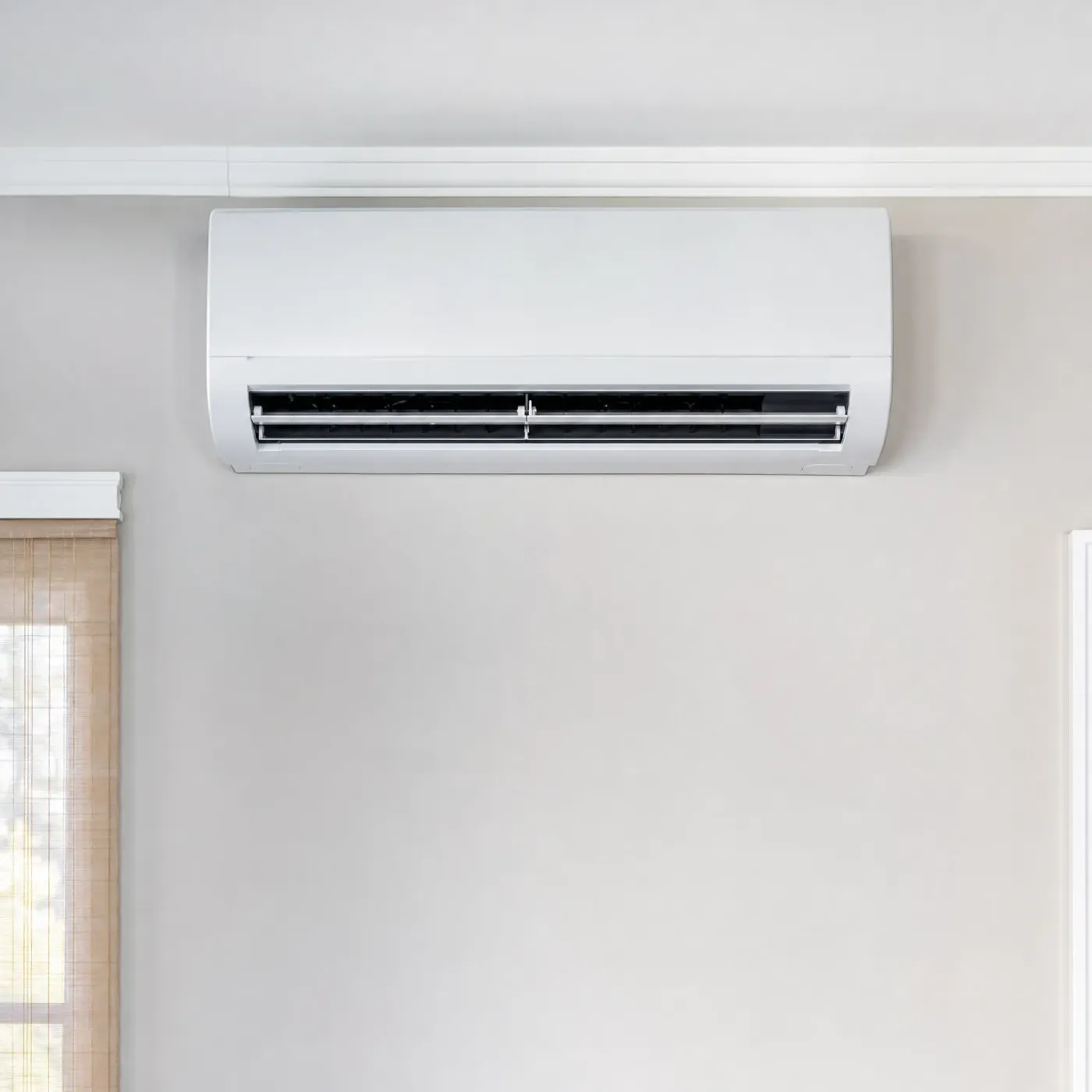
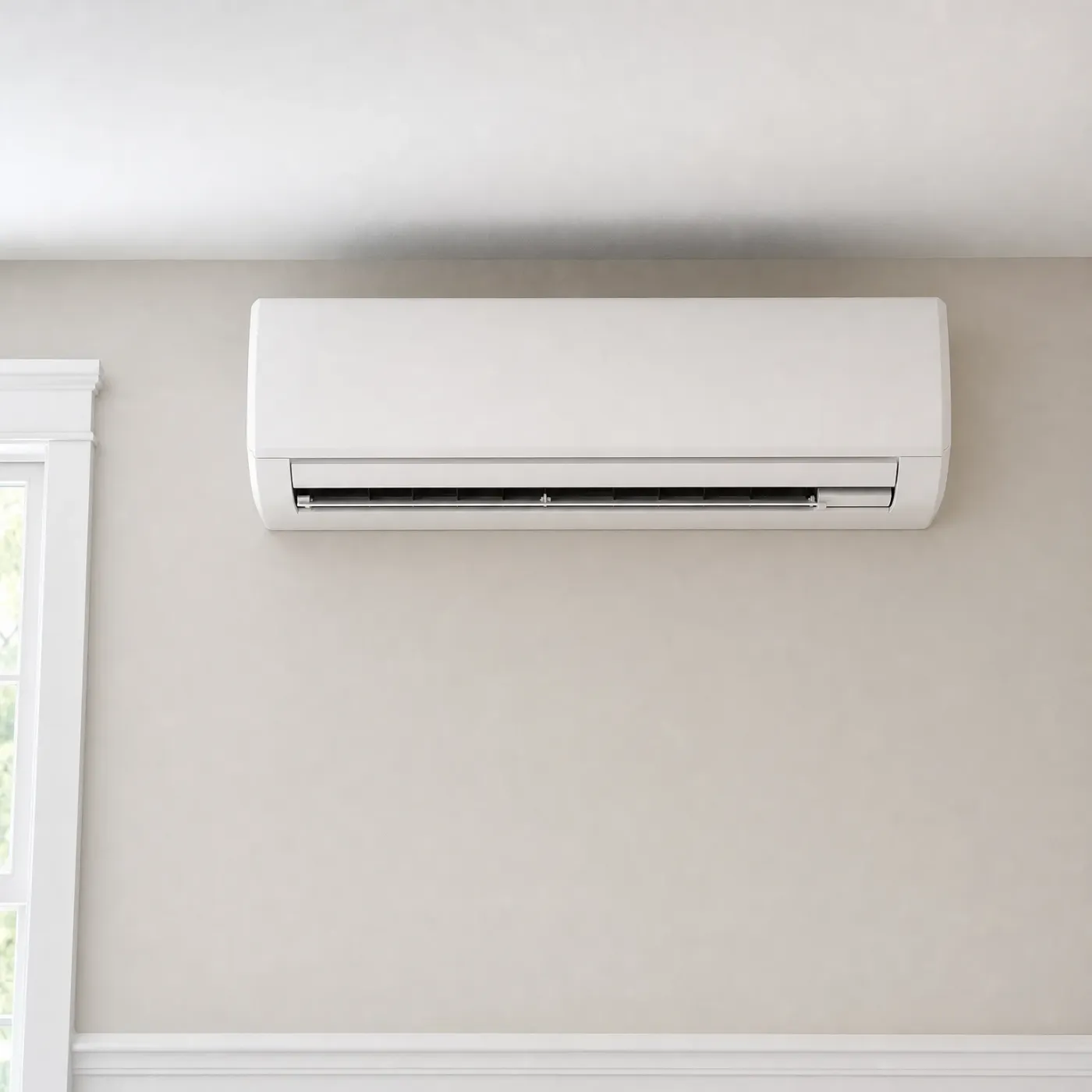
Running clean
This is what steady heat looks like. The coil stays clear, airflow stays full, and the unit pulls what it needs from the outside air without straining. A system kept this way holds its output on a cold night instead of losing ground to a dirty coil.
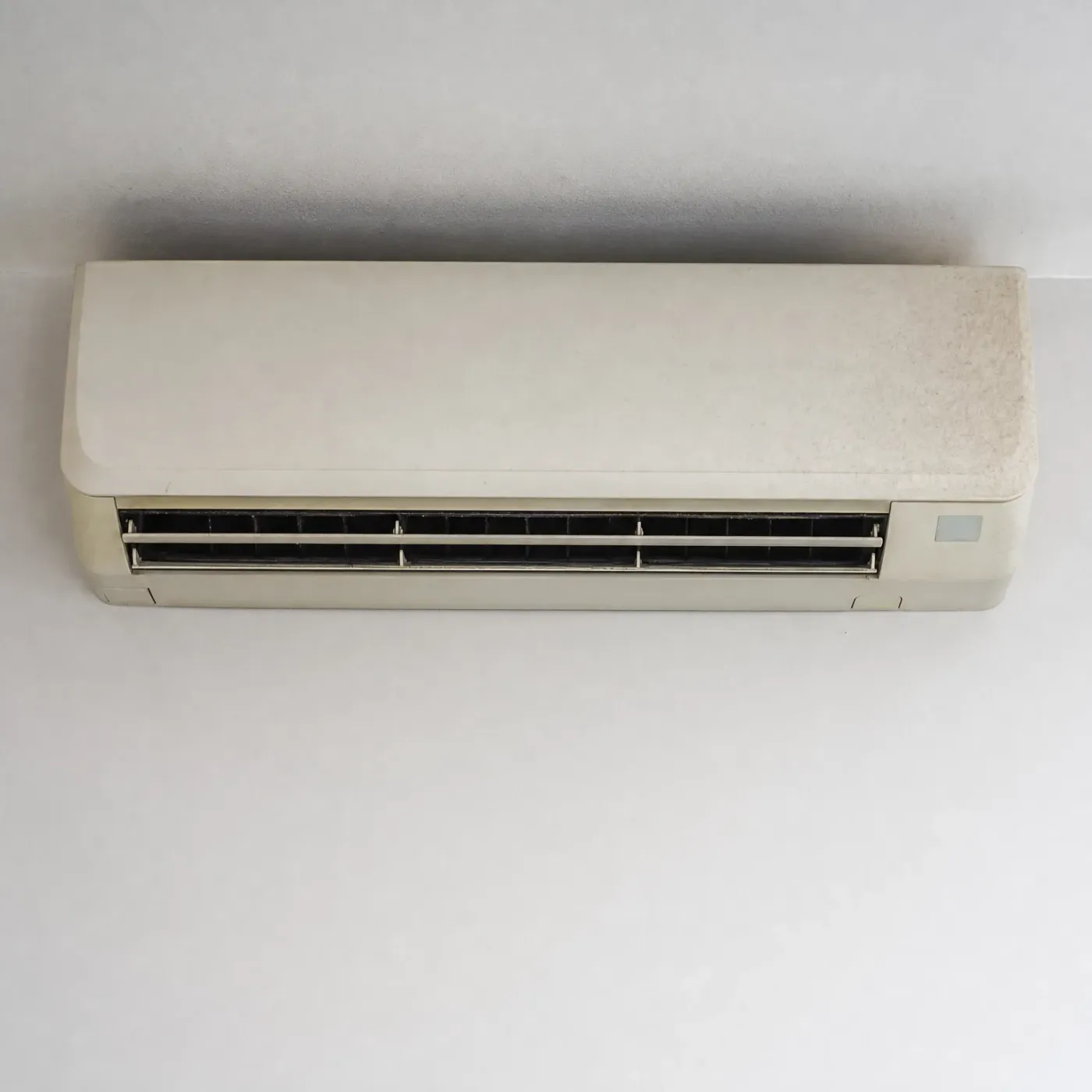
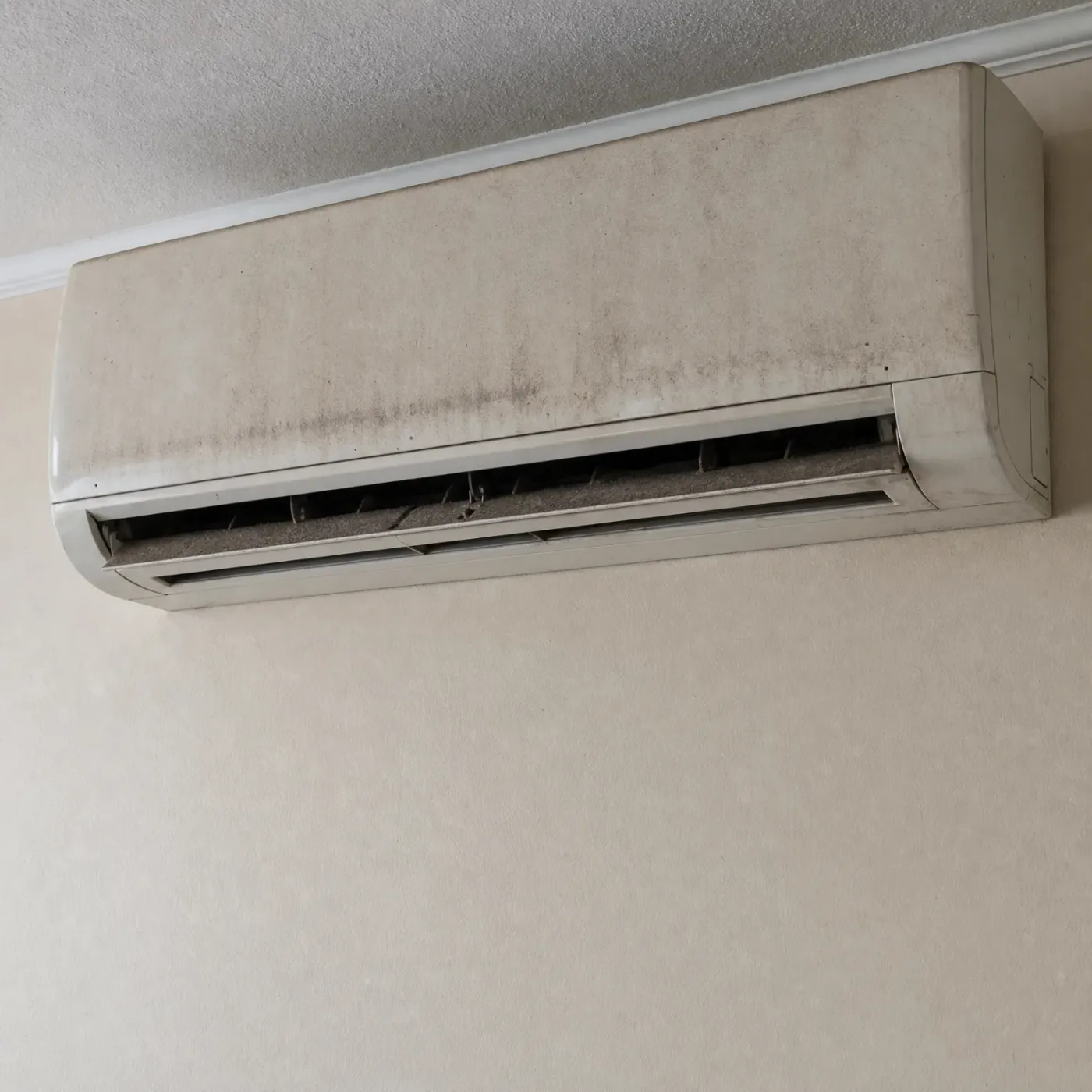
Choked with dust
A casing this dusty usually means the filter and coil behind it are worse. Airflow drops, the unit works harder for the same heat, and on your coldest nights that's output you don't have to spare. A local tech who services these units every season knows what to check first.
Power costs 15.39 cents per kilowatt-hour statewide
Most homes in West Virginia heat with electricity, so what you pay per kilowatt-hour matters more here than in a gas-heated house. At 15.39 cents, running a mini split through a cold stretch costs about what you'd expect for typical power rates, not a penalty for going electric.
EIA-861 2025 statewide residential average
A clean mini split like this moves heat the way it was sized to, holding the room on its own through a cold night.
A unit left to run like this loses output when it needs it most, and that's when the backup heat has to carry the load.
Where That Leaves You
A properly sized cold-climate mini split can carry a West Virginia home through winter on its own.
Whether it should depends on your coldest stretch and whether the unit was sized for heating, not just summer cooling.
Output falls as the outside temperature drops, so an undersized unit struggles exactly when you need it most.
A unit kept clean holds its rated output on a cold night instead of losing ground to a dirty coil.
Electric rates here run about 15.39 cents per kilowatt-hour, so running a mini split through winter costs what you'd expect, not a penalty.
Correct sizing and setup from a local, licensed installer decide whether the unit holds the room alone or needs backup heat.
A mini split can heat your West Virginia home all winter without any backup, and plenty of them do. Whether yours should carry that load alone comes down to two things: how cold it gets where you live on the worst night of the year, and whether the unit was sized and installed with that night in mind. A cold-climate model matched to your home keeps making heat well below freezing, holding the room on its own even when the temperature drops hard. One sized only for summer cooling, or installed without accounting for your coldest stretch, will fall behind right when you need it most, and that's when a lot of homes end up leaning on something else to fill the gap. Keeping the coil clean protects the output you're already paying for. None of this is guesswork a homeowner should have to sort out alone. It's a sizing and installation question, and getting it right from the start is what decides whether the unit holds the room by itself or needs help on the coldest nights. At 15.39 cents per kilowatt-hour, running it through winter costs what you'd expect for electric heat here, nothing more. A local, licensed installer who works on these systems every winter knows what size and setup your area actually calls for, and getting that part right the first time is what makes the rest of this straightforward.