
Best mini split setting for a West Virginia winter
Set it to heat mode and pick a temperature in the high 60s, then leave it there. Mini splits work best holding one steady number rather than being bumped up and down, because every time you raise the set point the unit has to work harder to catch up, and in a West Virginia winter that means more run time, not less. On the coldest nights the outdoor unit will sometimes pause and run a defrost cycle to clear frost off its coil. That's normal. You'll see the fan stop and maybe a little steam for ten minutes or so, then it picks back up. If the house still feels short of warm on those nights, that's usually not the thermostat setting. It's a sign the unit needs a look, especially if ice is building up and not clearing on its own.




Steady Heat or Nightly Setback
Set and hold
- You pick one number in the high 60s and the unit maintains it without you touching the thermostat again.
- The compressor runs at a steadier pace, which is how these units are designed to operate most efficiently.
- On the coldest nights, a steady setting gives the unit a head start instead of asking it to chase a jump of several degrees at once.
- Rooms stay at an even temperature instead of swinging warm then cool as the system catches up after a setback.
- Backup heat strips or a secondary system are less likely to kick in, since the compressor isn't struggling to recover lost ground.
Set back and bump up
- You lower the temperature when you leave or go to bed, aiming to use less heat while the space is empty.
- The unit has to work harder to climb back to a comfortable number, which can mean it runs longer once you raise it again.
- On a cold West Virginia morning, that recovery period can leave a room feeling chilly for a while before it catches up.
- If the setback is deep enough, some systems lean on backup electric heat strips to recover faster, which adds to what you pay for electricity.
- Frequent adjustments mean more cycling on and off, which puts more wear on the parts that start and stop the compressor.
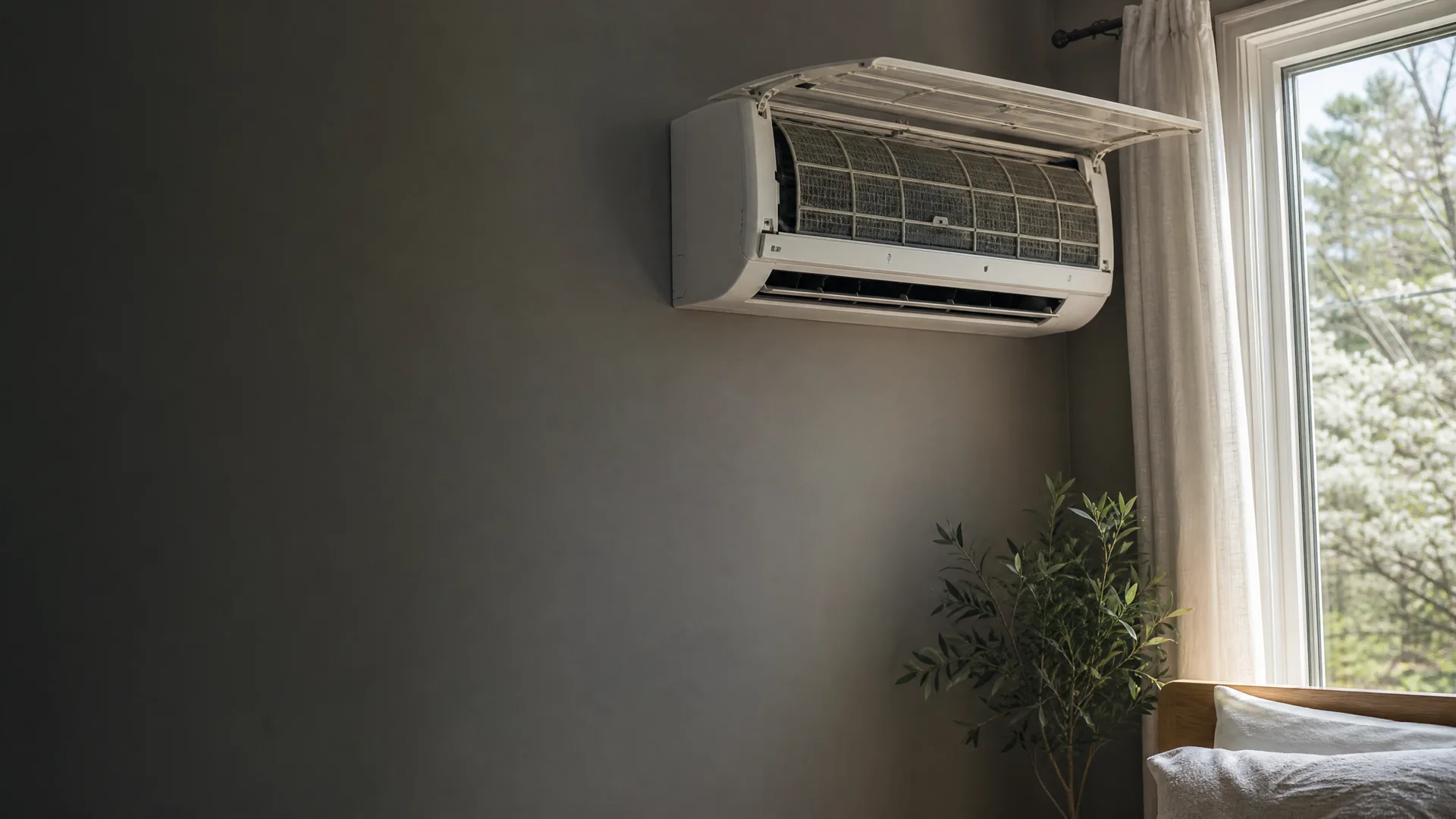
Spring finally warmed up enough that you stopped running the mini split in the bedroom, and when you pulled the front cover off to check it before summer, the filter screen was grey with dust. Not a light coating. The kind that settles in over a whole winter of running steady through the cold months. You hold it up to the window and can barely see light through the mesh. That screen pulled double duty since fall, filtering the same air over and over while the unit held its temperature night after night. You wipe a thumb across it and the dust comes away in a smear. It needed a look months ago, not now.
Why does my mini split have a backup heat setting I should turn on?
You noticed a setting labeled auxiliary heat or backup heat on the thermostat and you're not sure if it should be on for a West Virginia winter. Since most homes here heat with electricity, it seems like it would just help the mini split along. But flipping it on isn't free, and knowing when it actually kicks in matters more than just leaving it switched on all season.
Leave it on auto, not forced on, and let the system decide
A mini split pulls heat from the outside air using a compressor, the same way it moves heat out of your house in summer. That works fine until the outdoor temperature drops low enough that there's not much heat left to pull. Backup heat, usually electric resistance strips, is there to cover that gap on the coldest nights. Set to auto, the system only calls for it when the compressor alone can't keep up, which keeps the compressor doing most of the work since it moves heat more efficiently than resistance heat makes it. Forcing it on all the time means you're paying for electric resistance heat even on the mild days when the compressor could have handled it on its own.

A mini split pro near you
Fill out one form instead of calling around for a mini split tune-up.
Describe your mini split job, and a local pro who handles it gets in touch.
You're not committing to anything by asking.


Cold outdoor air passes over the outdoor coil and refrigerant inside it.
Refrigerant absorbs heat from that air, even when it feels frigid.
The compressor squeezes the refrigerant, raising its temperature further.
Hot refrigerant travels inside to the indoor unit's coil.
Why does the bedroom take so long to warm up now
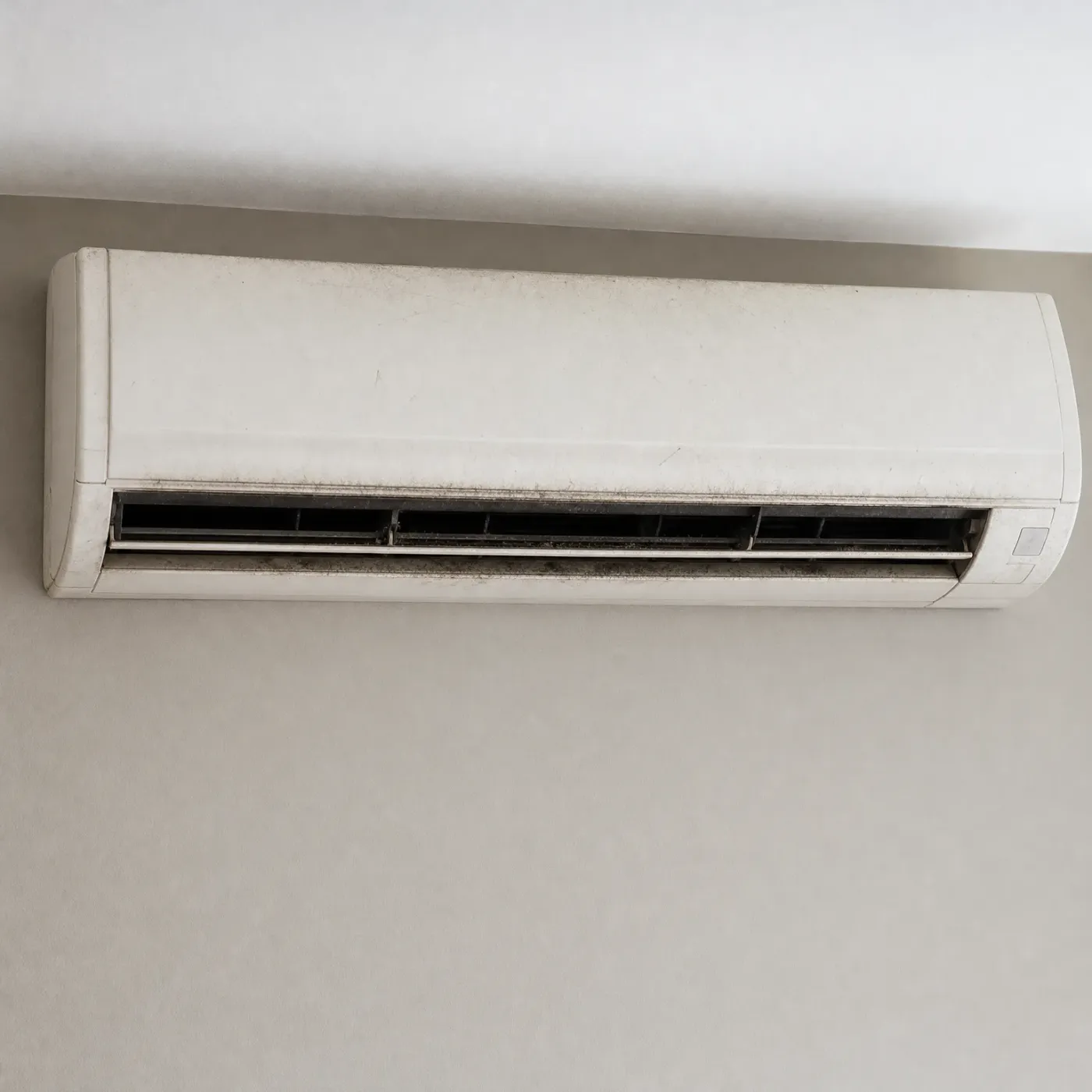
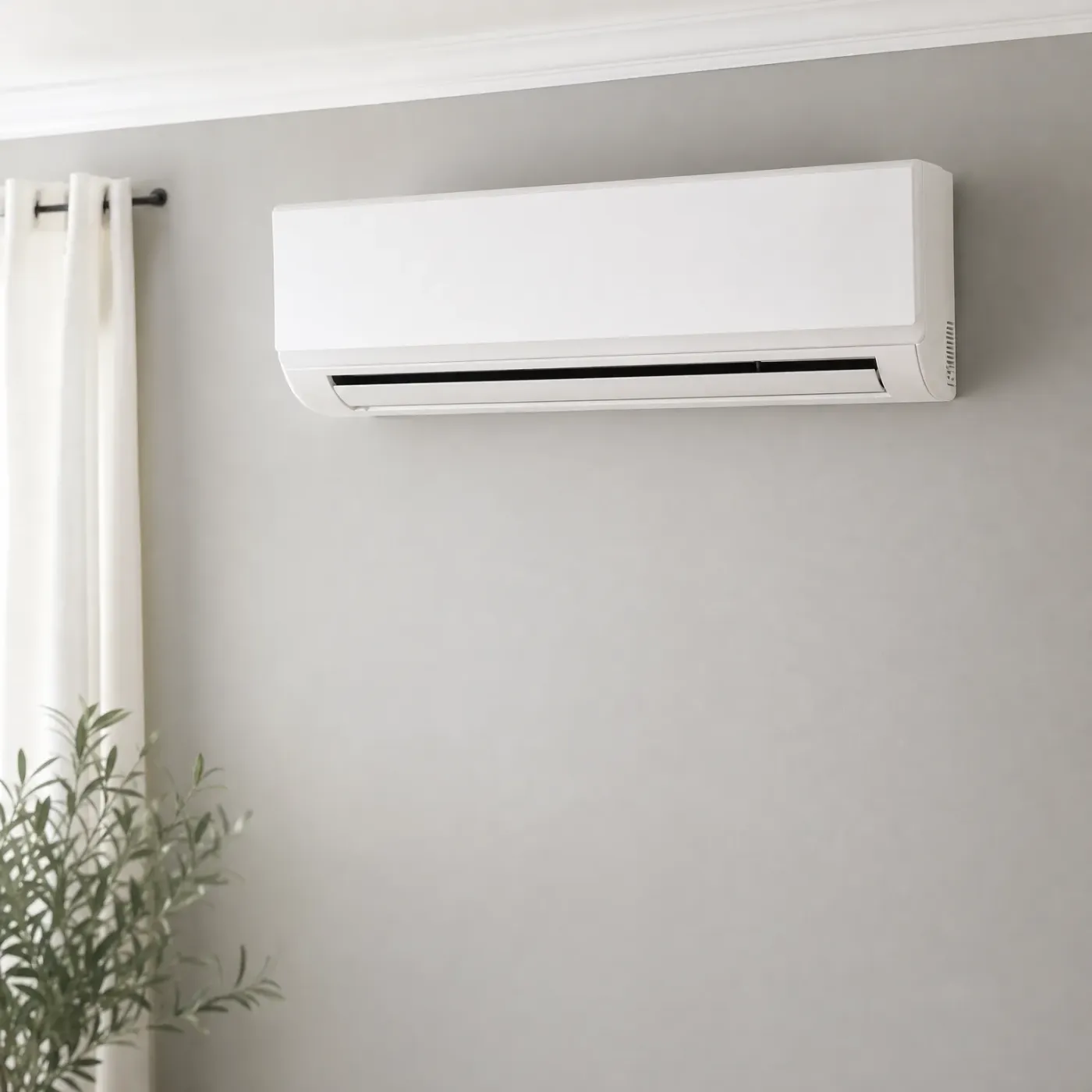
You turn it on and the air coming out feels cooler than it used to, or the room just takes longer to catch up than it did last winter. Sometimes you hear it running more than you remember, cycling on and off through the night instead of holding steady. There might be a thin layer of dust visible on the indoor unit's grille if you look close, or a musty smell when it first kicks on. None of that means it's broken. It usually means the filter and coils are dirty enough to slow the airflow down, and since most homes here run on electric heat, a unit working that hard shows up directly on your bill.
How cold changes the math
A mini split moves heat from outside air into the room instead of generating it the way baseboard or a furnace does. When West Virginia nights drop into the teens and 20s, there's still heat in that outdoor air, just less of it, so the unit has to run longer to pull the same amount in. That's normal operation, not a sign of trouble. Holding one set point lets it work at that steady pace instead of racing to catch up after every adjustment.

Where the strain actually shows up
Mini splits lose capacity gradually as outdoor temperatures fall, and a unit that's clean inside and out handles that drop better than one that isn't. Dust on the indoor filter and grime on the outdoor coil both restrict airflow, and restricted airflow means the system works harder to move the same heat at 20 degrees than it would at 40. A unit kept clear of buildup has more capacity in reserve for the coldest stretch of a West Virginia winter.
Power costs 15.39 cents per kilowatt-hour statewide
At 15.39 cents per kilowatt-hour, every degree you add to that set point shows up on your bill, since electricity is what's running your mini split all winter. Holding a steady number in the high 60s instead of bumping it up and down keeps the compressor from working harder than it needs to.
EIA-861 2025 statewide residential average

Hold the number, let it run, keep the coils clean
A steady set point in the high 60s is the setting. That's the whole answer. The unit holds it better than it reacts to one you keep changing, and a clean system holds it with less strain than a dusty one.
That second part is the one a thermostat can't fix for you. If your outdoor unit hasn't been looked at before this winter, you're left guessing whether it's working as hard as it should be. Getting matched with a contractor who services mini splits means someone looks at yours specifically, instead of you trying to find and vet someone on your own before the cold really sets in.


A local pro for your mini split maintenance
Skip calling around to set up a mini split tune-up.
It costs nothing to send, and you don't have to hire anyone.