Hire the mini split installer yourself
You're the one calling around, checking licenses, and hoping whoever shows up has actually set up a mini split before and not just a furnace.
 I'm done searching
Send the request and finding a pro stops being your problem.
You've got a furnace for winter and a mini split for the room that never gets comfortable. Maybe it's a bonus room over the garage, a converted attic, an addition the ductwork never reached. In West Virginia, summer is the problem: it gets sticky by June and stays that way into September, and a window unit or a space heater just isn't cutting it.
Adding a mini split to a house that already has a furnace is common here. Most homes in this state heat with electricity anyway, so the mini split doesn't compete with the furnace or complicate how the house is wired. It runs on its own line, cools the one space well, and in milder months can even take some of the load off the furnace in that room.
Getting it installed right means someone who's done this pairing before, in this climate, in houses like yours. Line set routing, where the condenser sits outside, how the indoor head ties into a circuit that can handle it. A contractor who works on this equipment every season in West Virginia has already seen what usually goes wrong: a condenser placed where it short-cycles in the heat, a line set run too long, a breaker that's undersized for the unit. Getting those decisions right the first time matters more than most people expect.
Send the form below and that search stops being your job. You won't hear from a handful of different companies competing for the work. One licensed contractor local to West Virginia gets your request, and they're the one who shows up, looks at the room, and tells you what it needs. No chasing quotes, no sorting through strangers. Just the next step, handled.
Your furnace handles the whole house in winter, but there's a room it never quite reaches in summer, or a space you added after the ductwork was already in. You're wondering if a mini split can just go in alongside the furnace you already have, or if the two systems get in each other's way somehow.
A mini split and a furnace don't compete for the same job. Your furnace heats through ducts, and the mini split cools and heats one room or zone through its own indoor unit, with no ductwork involved at all. They run on separate systems, so adding one doesn't change how the furnace operates or how it's wired. This matters most in West Virginia because most homes here already heat with electricity, so a mini split draws on power the house is already set up to handle. Summers here get sticky, and a mini split cools the one room a furnace was never built to cool in the first place, since a furnace only moves heat, never cold air.
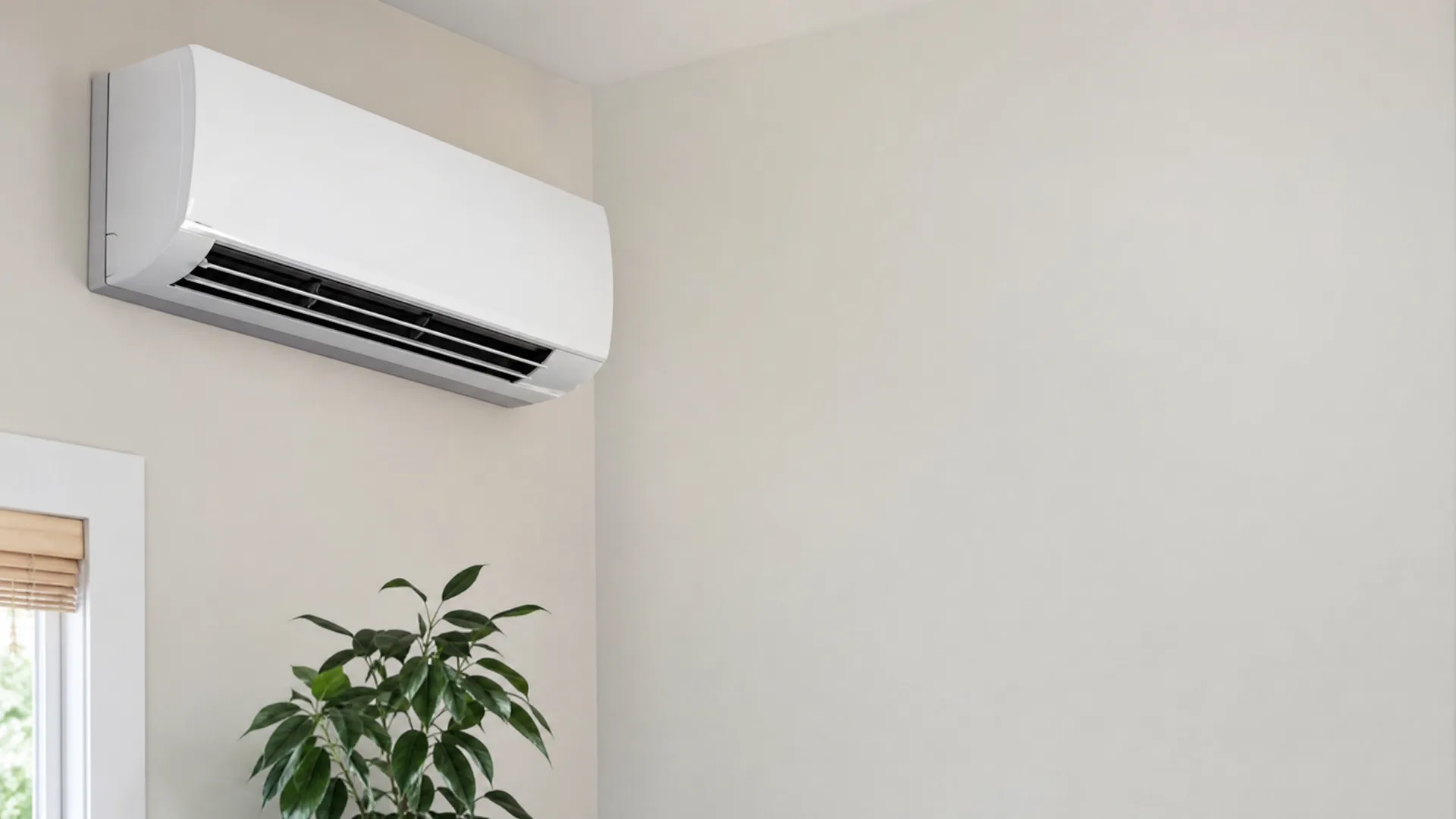
The furnace and the mini split don't compete for the same space. The furnace pushes heated air through ducts to the rooms it was built to reach. The mini split answers for the one room it doesn't, running off its own outdoor unit and a line set through the wall. One heats the house. The other handles the room the house missed. They run on separate thermostats and never fight each other for control.
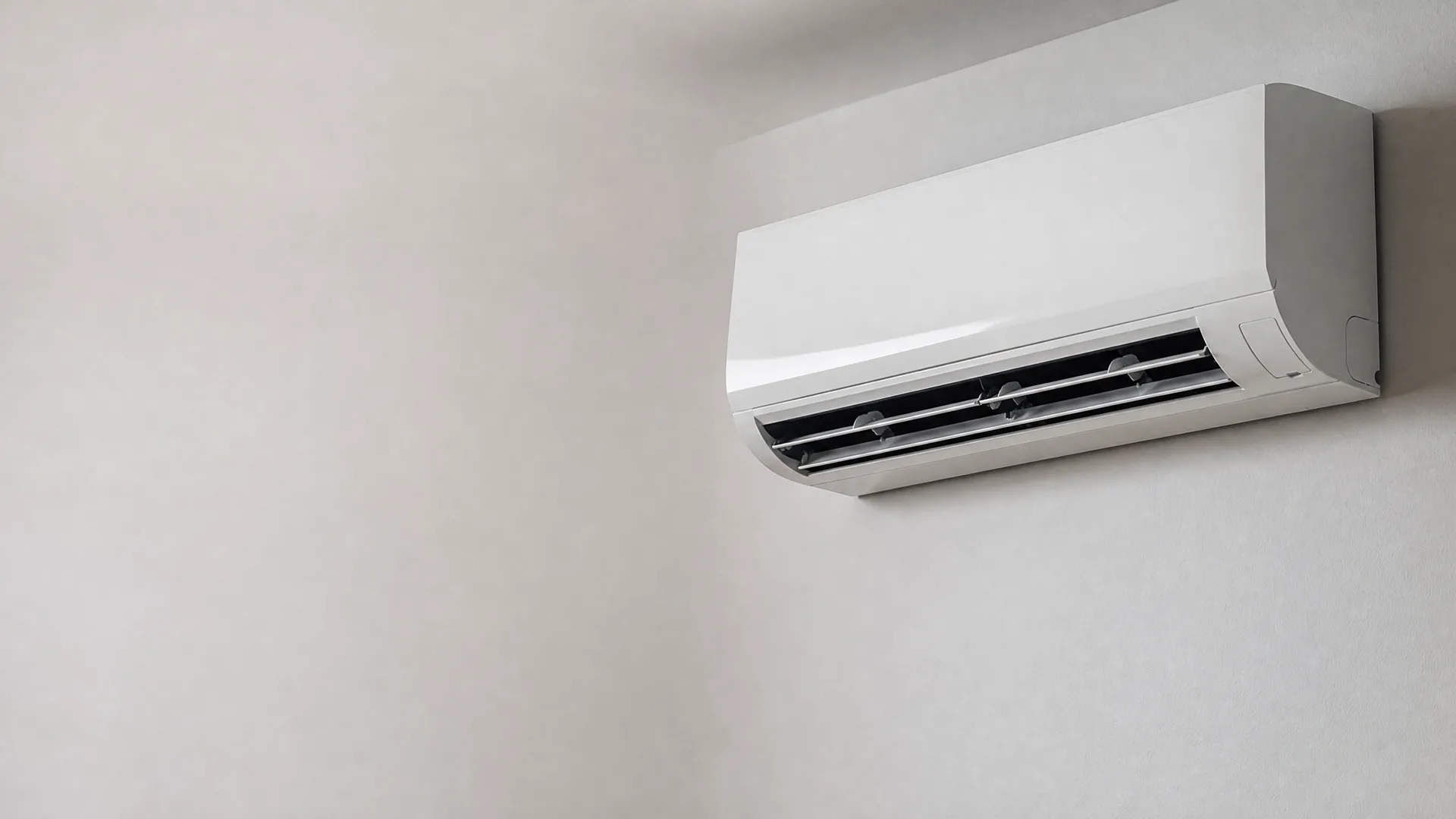
A room without ductwork has no way to pull moisture out of the air on its own, and in West Virginia that means a sticky room by June whether or not the rest of the house feels fine. A mini split's indoor unit pulls air across a cold coil, and the moisture drops out before the air gets pushed back into the room. That's a separate job from what your furnace does, and it's why the room needs its own unit to fix it.




That room over the garage still needs a mini split sized and placed right, with line set routed somewhere that makes sense and a condensate line that actually drains. Get that wrong and you've got a unit that runs constantly or drips where it shouldn't. This is routine work for a contractor who installs them every summer in houses built like yours, with a furnace already doing the rest of the house, so they know where the line set can run without tearing into a finished wall and what size actually fits that room. Someone licensed and working in West Virginia has seen this setup plenty of times. Send the request and one contractor gets it, not a handful competing for your callback. That's one less thing to sort out before the room gets sticky again.
That bonus room over the garage is the one everyone avoids by July. Without a mini split there, the furnace can't touch it, the ductwork was never run that far, and a window unit only handles so much square footage.
Get the mini split placed and sized for that room and it holds the temperature the rest of the house already has, no closed door, no box fan, no giving up on it by mid-summer.


You're the one calling around, checking licenses, and hoping whoever shows up has actually set up a mini split before and not just a furnace.
One licensed contractor who works on mini splits in West Virginia homes regularly, already knows what sizing and placement that room needs, and you're not fielding calls from five companies at once.
You already know which room this is. It's warm by mid-morning and still warm after the sun's off it. You've probably got a box fan in there, or you keep the door shut so the rest of the house doesn't feel it too. If there's a window unit, it's loud, it drips where it shouldn't, and it still loses ground on the hottest days. Check the vents in that room if it has any. Weak airflow, or none at all, means the ductwork never reached it. Left alone, it's just a room nobody wants to be in from June through August, and in a finished attic or a room over the garage, that heat can push into the insulation and the framing around it.
The outdoor unit pulls heat out of the refrigerant and vents it outside.
Refrigerant lines run through a small hole in the wall to the indoor head.
The indoor head pulls warm room air across a cold coil.
A condensate line drains the water that coil pulls from the air.
At 15.39 cents per kilowatt-hour, running that mini split in just one room costs a lot less than trying to cool the whole house off ductwork that was never built to reach it. A unit sized right for that space won't run up your bill chasing air it's not meant to cool.
EIA-861 2025 statewide residential average
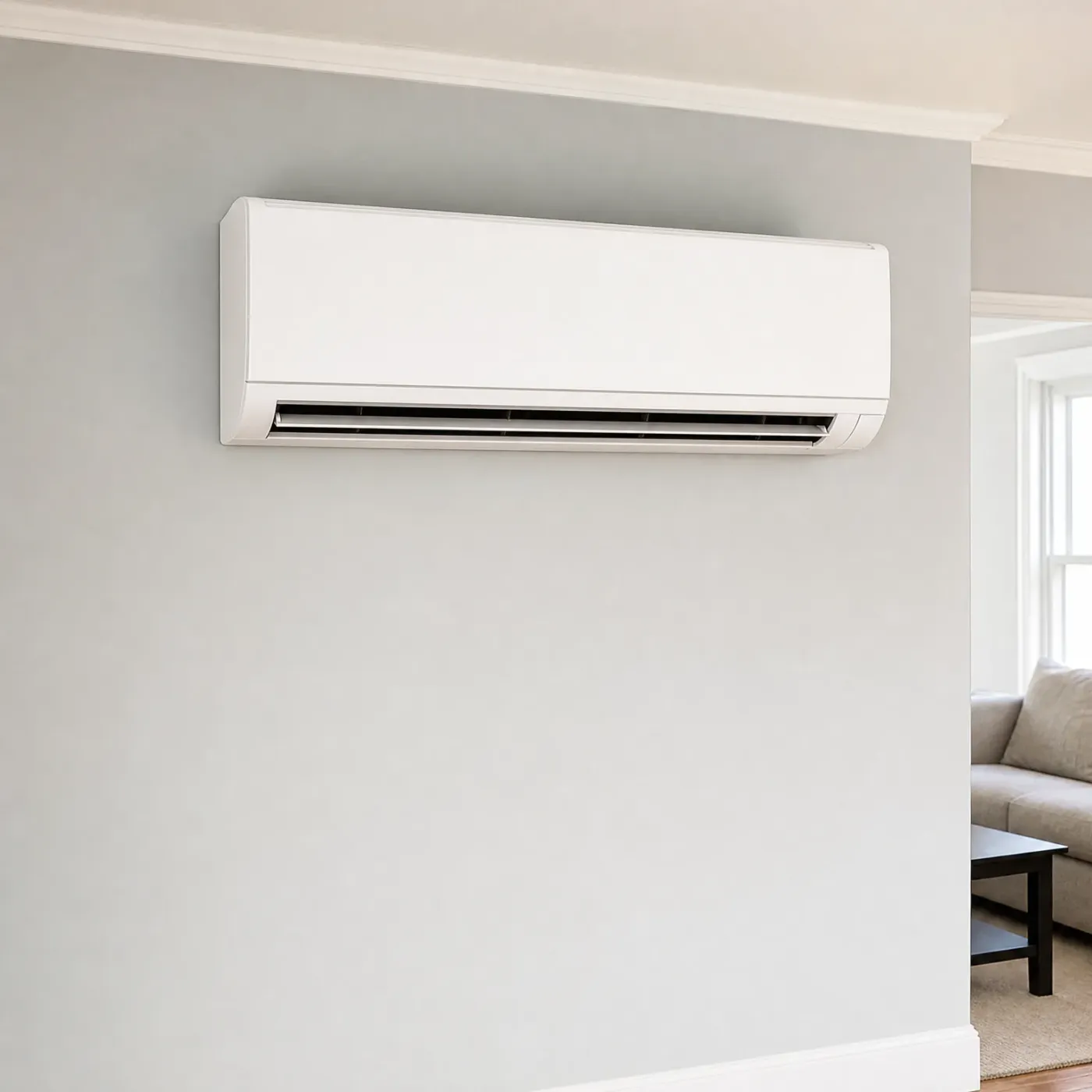
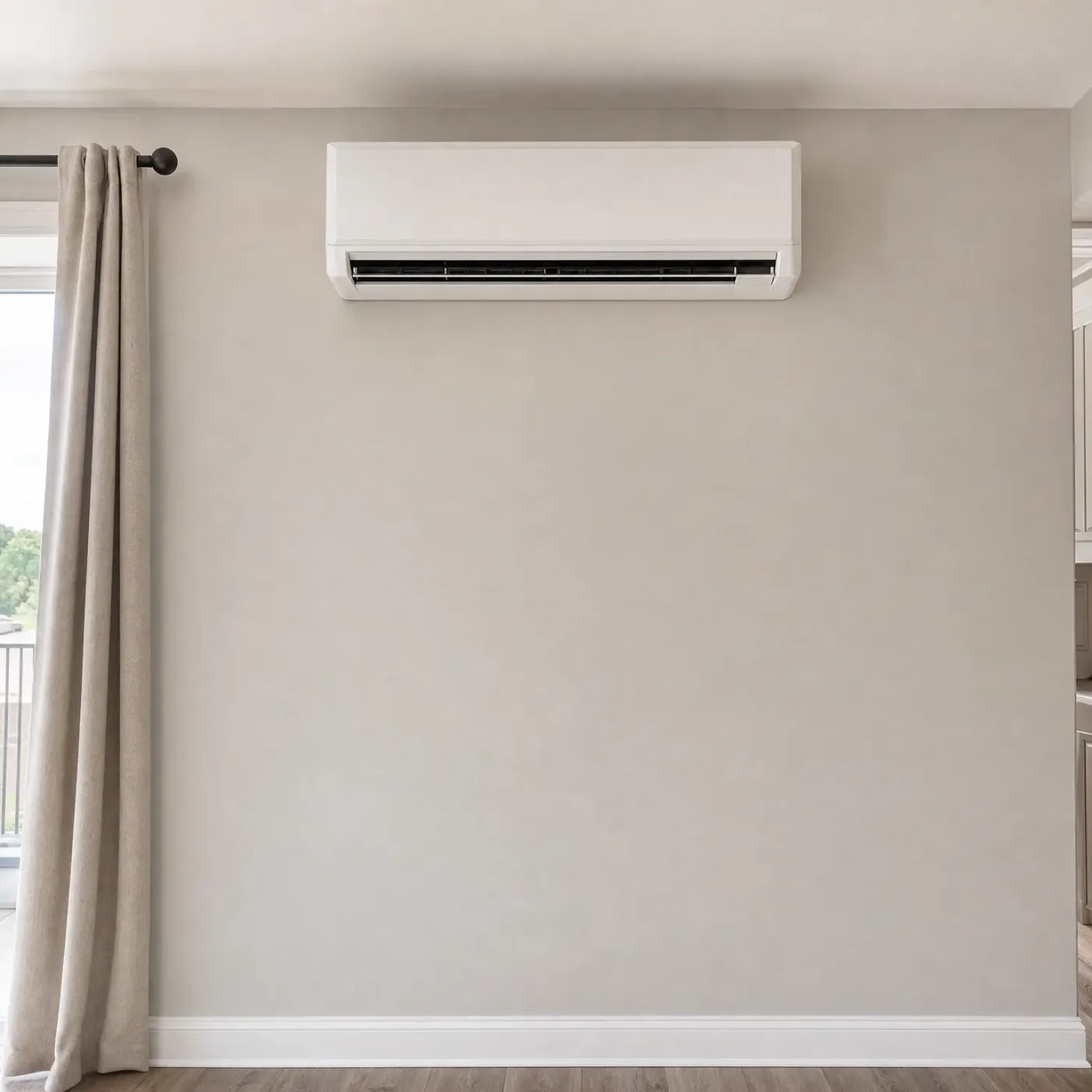
A mini split that's sized and installed right keeps its casing clean because the filter and coil are doing their job without strain. It cycles on, cools the room, and shuts off. No noise you notice, no water where it shouldn't be.
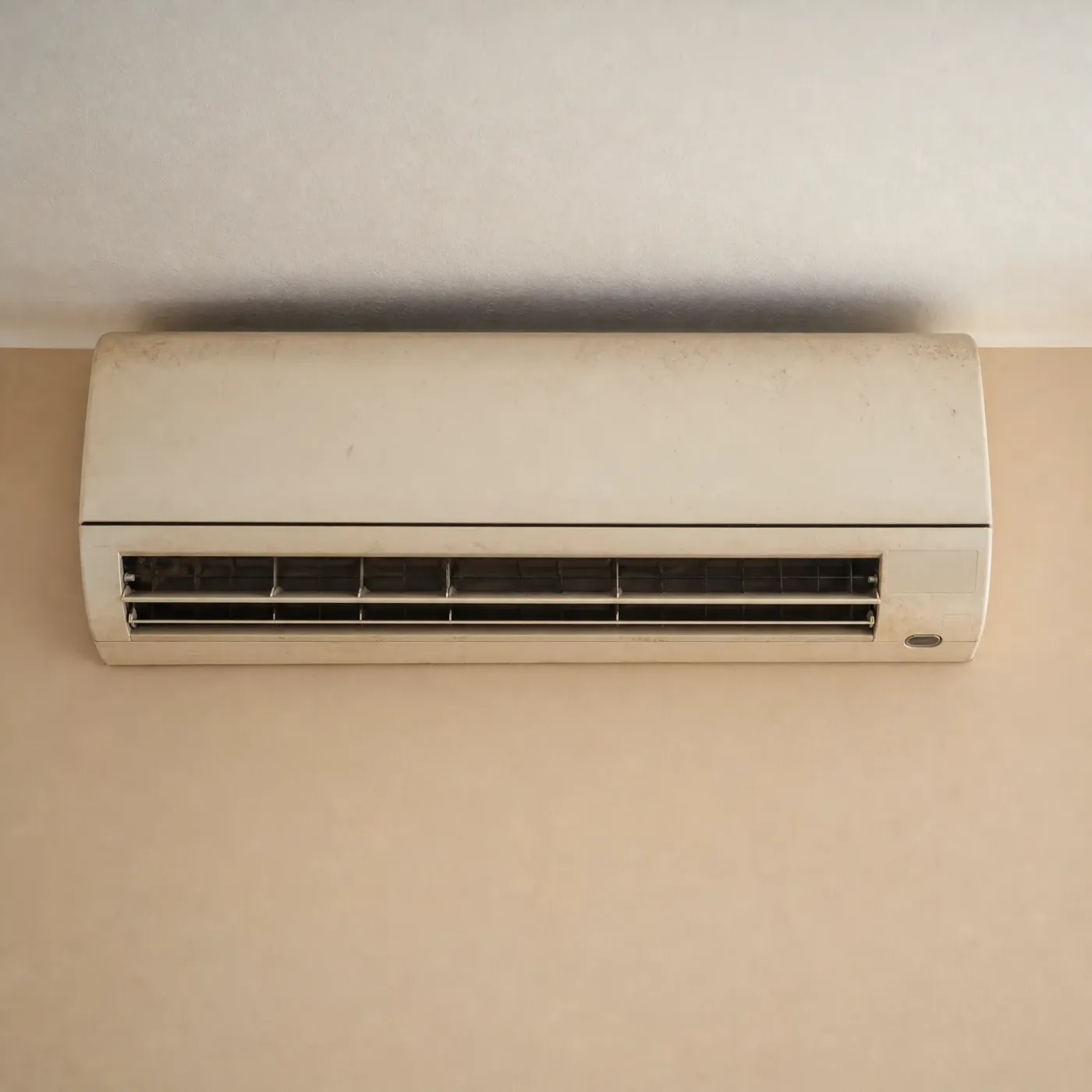
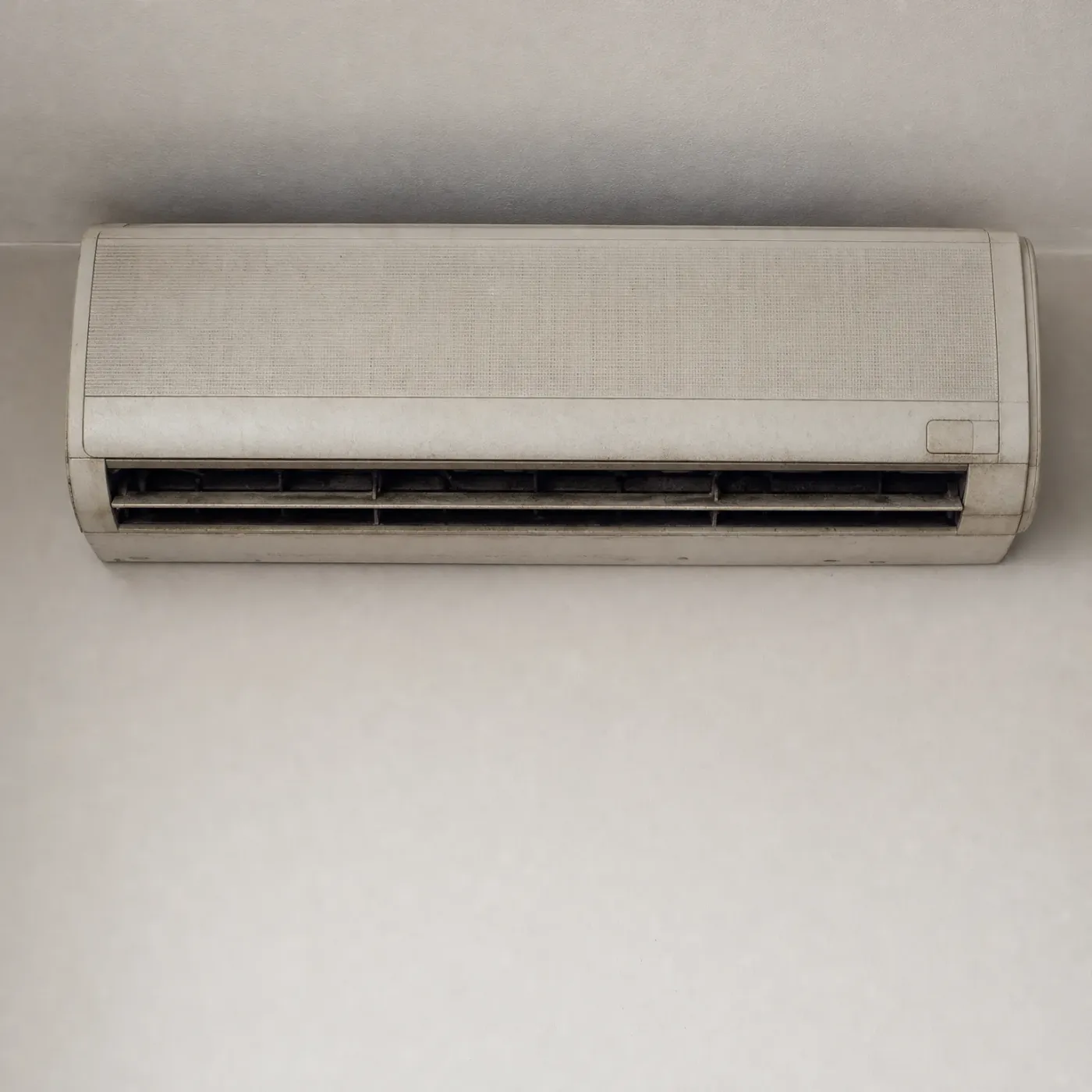
That yellow tint on the casing and the dust built up around the vents usually point to a unit that's been running harder and longer than it should, or one that was never cleaned because nobody told the owner it needed to be. Louvers caked like that aren't moving air the way they're supposed to.

That room's air sits at a 61°F dew point most summer mornings and afternoons, June through August, averaged across homes in West Virginia. That's heavy air, the kind that makes a room feel warm even when the thermometer isn't that high. A mini split sized for that room pulls the moisture out as it cools, so the air feels dry and comfortable instead of damp. Skip that and you'll notice it: a window that fogs, a closet in there that smells musty, sheets that feel clammy even with the unit running. The mini split has to be sized for that moisture load, not just the square footage, or it'll cool the room without ever getting the stickiness out of the air.
NASA POWER T2MDEW county cells weighted by homes
A mini split in that one room is still the right call. Your furnace keeps doing what it already does well, and the room that never cooled off finally gets an answer built for it, not a window unit fighting the heat or a fan just stirring warm air around. What changes the outcome is who hangs the indoor head and runs the line set. A local installer who sets these up every summer has already seen what fails in a room like yours, the line routed wrong, a condensate line that doesn't drain, a unit sized for a room twice this one's size. Send the form and you're matched with one licensed installer local to West Virginia, not a handful of companies calling you back at once. You've read what the room is telling you and what the install takes to get right. The next step isn't yours to chase down anymore.
Send one request and you're done looking